A strong and healthy back is decisive for your well-being and your quality of life. Posture training for the back plays a central role in this. In this blog post you'll learn why posture training is important, how you can integrate it into your everyday life and which exercises help you with it.
Why is posture training for the back important?
Many of us spend the greater part of the day sitting – whether at the office, in the car or at home. Poor posture often leads to back pain and other health problems. Posture training for the back can relieve these complaints and act preventively. Through targeted exercises you strengthen your musculature, improve muscular imbalances and your body posture and avoid long-term damage.
The benefits of posture training
- Pain relief: Reduce back pain through stronger and more stable back musculature.
- Improved posture: An upright posture prevents incorrect loading and promotes a healthy spine.
- Increased energy: Good posture improves your breathing and circulation, which leads to more energy and better concentration.
- Injury prevention: Stronger muscles and a stable spine protect you from injuries in everyday life and during sport.
Exercises for effective posture training
- Shoulder blades together: Sit up straight and slowly draw your shoulder blades together. Hold this position for five seconds and then relax again. Repeat this exercise ten times.
- Chest stretch: Stand upright and clasp your hands behind your back. Slowly raise your arms while opening your chest. Hold this stretch for 20 seconds and repeat it three times.
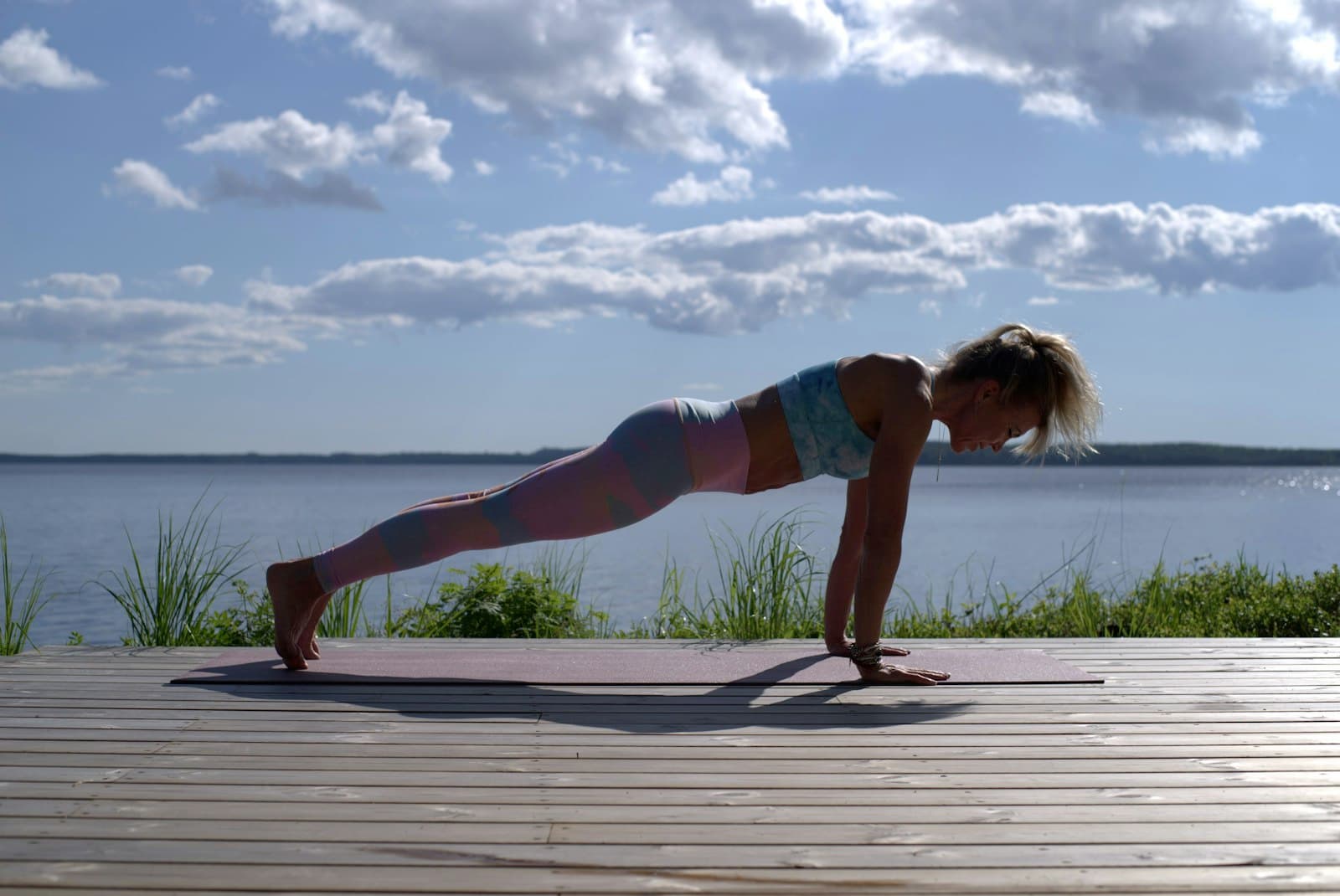
- Plank: Lie down on the floor and support yourself on your forearms and toes. Keep your body in a straight line, tensing your abdominal muscles in the process. Hold this position for 30 seconds and gradually increase the duration.
- Cat-Cow: Go into the quadruped position and alternately arch your back like a cat and hollow it. Avoid "extreme positions" that trigger pain. Regard the exercise as a mobilisation exercise and not a stretching exercise. This exercise mobilises the spine and promotes flexibility.
- Glute Bridge: Lie on your back, bend your knees and place your feet flat on the floor. Raise your pelvis until your body forms a straight line from the shoulders to the knees. Tense the glute muscles in the process. Hold this position for five seconds and then lower your pelvis again. Repeat the exercise ten times.
- Hip flexor stretch: Kneel with one leg on the floor, the other leg placed in front of you so that the knee forms a 90-degree angle. Gently push your hip forward until you feel a stretch in the hip flexor of the rear leg. Hold the stretch for 20 seconds and then switch sides. Repeat the exercise three times per side.
Integrating posture training into everyday life
To fully exploit the benefits of posture training, it's important to perform the exercises regularly. Here are a few tips on how you can integrate posture training into your everyday life:
- Use short breaks: Take regular short breaks during work or study and do a few exercises.
- Set reminders: Set a timer or use apps that remind you of your exercises.
- Ergonomic workplace: Make sure your workplace is set up ergonomically in order to promote a healthy posture.
Conclusion
Posture training for the back helps you prevent back pain and improve your general health. With simple exercises and a little discipline you can do a lot for your back. Start your posture training today and feel the positive changes!