Am I allowed to exercise with high blood pressure?
Elevated blood pressure, also known as hypertension, can severely impair quality of life. Even mild exertion such as climbing stairs drives up the pulse. But what about exercise? Is physical activity permitted with high blood pressure and, if so, which sports are suitable?
What is high blood pressure?
Without blood pressure, humans cannot live. Blood pressure ensures that blood flows through the vessels of the cardiovascular system. The rhythmic pumping movements of the heart cause fluctuations in blood pressure:
- Systolic blood pressure: occurs when the heart contracts and pumps blood into the arteries. The systolic value is the upper value and reaches the pressure peak.
- Diastolic blood pressure: refers to the pressure when the heart relaxes and fills with blood. This is the lower value.
In healthy people the systolic blood pressure is around 120 mmHg and the diastolic around 80 mmHg.
High blood pressure (hypertension) is present when the values remain permanently above 140/90 mmHg. From 180/105 mmHg upward, it is referred to as severe high blood pressure. Left untreated, hypertension can have serious consequences such as strokes or heart attacks.
Causes and risk factors
The exact causes of high blood pressure are often unclear, but there are known risk factors that can contribute to its development
- Excess weight
- Chronic stress
- Heavy alcohol consumption
- Unhealthy diet, particularly salt-rich foods such as fast food
- Medication: some active ingredients can raise blood pressure as a side effect.
A genetic predisposition can also play a role, but it is by no means as decisive as lifestyle factors. An active lifestyle with a healthy diet and sufficient physical activity can significantly reduce the risk of high blood pressure.
Symptoms of high blood pressure
High blood pressure often develops quietly and unnoticed. Many of those affected feel no symptoms for years, even though the arteries are already being damaged.
Possible symptoms of severe hypertension can include:
- Headaches
- Visual disturbances
- Dizziness
- Fatigue
- Ringing in the ears
However, these symptoms are non-specific and can also have other causes. Regular blood pressure checks are therefore particularly important.

Would you also like to turn your hobby into a career?
Discover the various training programmes at the update Akademie and qualify as a fitness trainer!
Can exercise lower blood pressure?
Yes! Regular physical activity is an effective way to lower high blood pressure in the long term. Exercise and targeted training improve the elasticity of the vessels, strengthen the cardiovascular system and help to relieve stress. It is important, however, to choose the right intensity and type of activity.
Which sports and methods are suitable?
Endurance training
Endurance sports such as walking, cycling or swimming are an excellent choice for promoting cardiovascular health. These activities strengthen the heart and lower blood pressure in the long term.
More intensive sessions such as interval training are, in most cases, not only possible but even recommended. Interval training, in which phases of high exertion and recovery alternate, has proven effective at improving heart health and lowering blood pressure in the long term. Important: during training, blood pressure may rise – this is a normal and temporary effect.
Strength training
Moderate strength training with progressive increases is another effective method for treating high blood pressure. Here too, blood pressure may rise during training as long as it happens in a controlled setting, though the Valsalva manoeuvre (holding your breath) should be avoided.
BFR training (Blood Flow Restriction Training) has proven especially effective in patients with high blood pressure. Special cuffs are used that reduce blood circulation in the limbs. With comparatively low loads, considerable effects on the muscles and blood pressure can be achieved – a safe and gentle option that is growing in popularity.
Gentle forms of training and relaxation methods
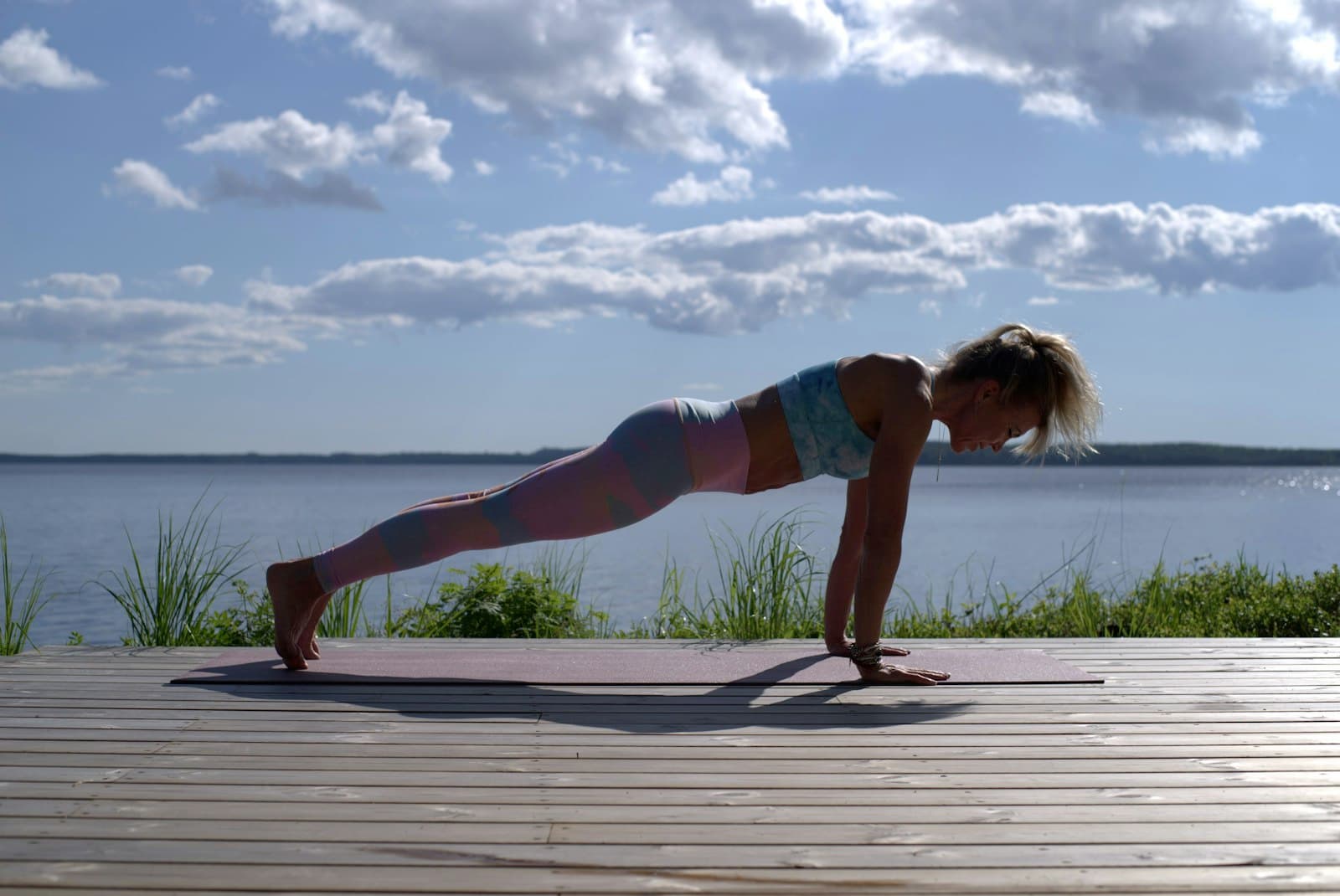
Gentler forms of training such as yoga, Pilates or Tai Chi are ideally suited to regulating high blood pressure. These methods promote relaxation, improve body awareness and strengthen the muscles gently. Gentle yoga styles such as Yin Yoga or Restorative Yoga are especially recommended, as their calm breathing exercises and slow movements can reduce stress hormones in the body. Progressive muscle relaxation (PMR) or autogenic training can also help to lower blood pressure in the long term by promoting the general ability to relax. These calm approaches are ideal for balancing more intensive workouts and supporting cardiovascular health holistically.
Important notes for patients with severe high blood pressure
While exercise is recommended in most cases, particular caution should be exercised with severe high blood pressure (from 180/105 mmHg upward). Intensive sessions or interval training may not be suitable here, or only after consulting the relevant specialist. In any case, talk to your doctor and an experienced trainer to plan individual training that suits your state of health.
Conclusion
Exercise is a decisive factor in lowering high blood pressure and improving cardiovascular health, and under certain circumstances it can even work more effectively than common medications. From moderate endurance training and more intensive interval training to innovative methods such as BFR training, there are many ways to actively counteract high blood pressure. Make sure, however, to adapt your training to your personal state of health, and consult a doctor beforehand in the case of severe high blood pressure. With the right balance, you can enjoy the positive effects of an active lifestyle over the long term.