Anti-inflammatory nutrition: how to reduce inflammation through healthy foods
Introduction
Inflammation is a natural reaction of your body to injuries or infections. However, chronic inflammation can lead to serious health problems in the long term, such as heart disease, diabetes and cancer. An anti-inflammatory diet can help to reduce this harmful inflammation and improve your overall health. In this article you will learn which foods have an anti-inflammatory effect and how you can adjust your diet accordingly.
What is an anti-inflammatory diet?
An anti-inflammatory diet consists of foods that have natural anti-inflammatory properties while at the same time avoiding pro-inflammatory foods. The goal is to promote balance in your body and reduce inflammation. This way of eating emphasises the consumption of fresh fruit and vegetables, whole grain products, healthy fats and lean protein, while sugar, processed foods and saturated fats are avoided.
The best foods for an anti-inflammatory diet
- Berries: strawberries, blueberries, raspberries and blackberries are rich in antioxidants and have strong anti-inflammatory properties.
- Fatty fish: salmon, mackerel, sardines and herring are rich in omega-3 fatty acids, which have been shown to reduce inflammation.
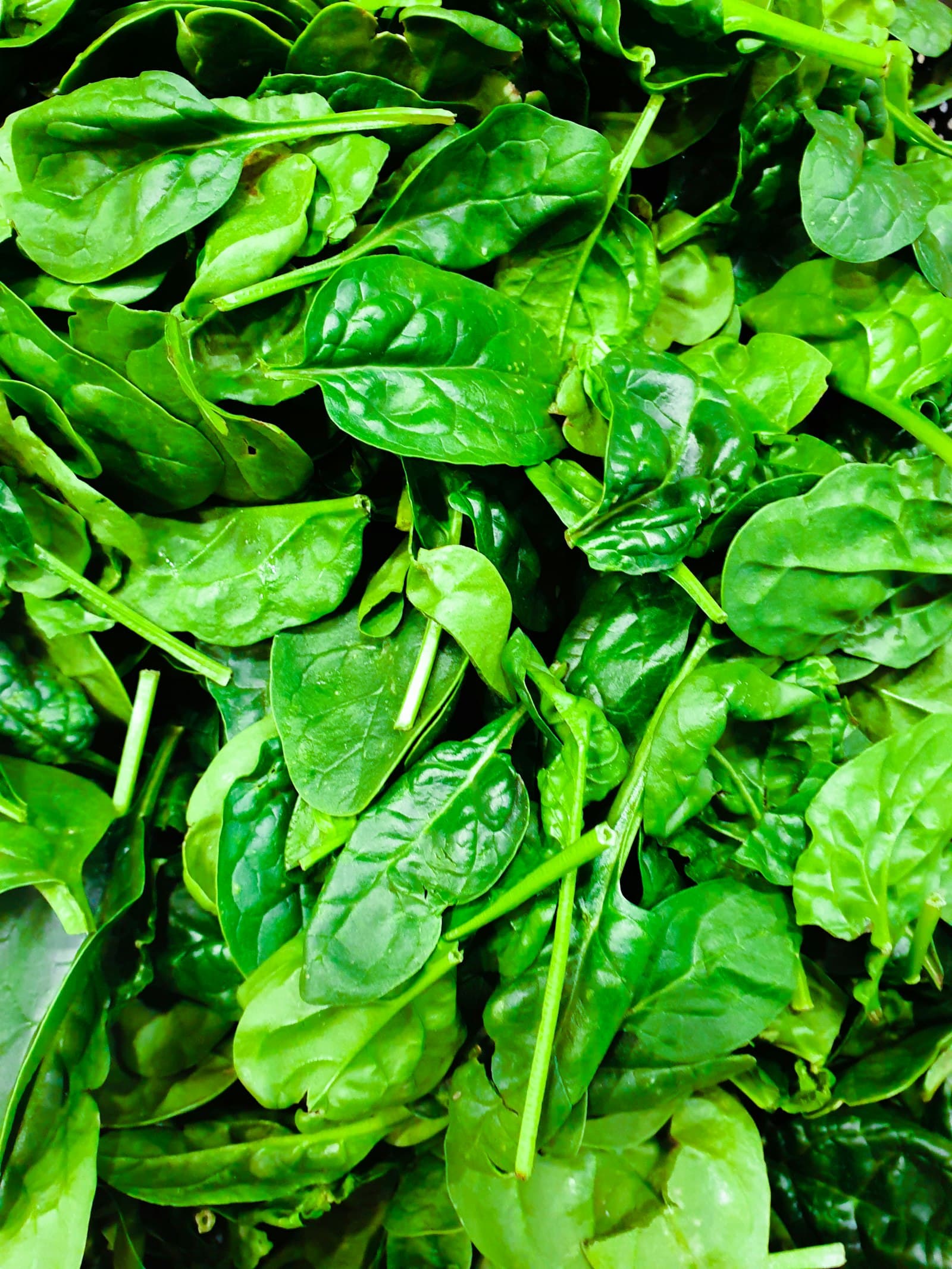
- Green leafy vegetables: spinach, kale and chard are packed with vitamins, minerals and antioxidants that fight inflammation.
- Nuts and seeds: almonds, walnuts, chia seeds and flaxseeds are excellent sources of healthy fats and antioxidants.
- Olive oil: extra virgin olive oil contains healthy fats and polyphenols that have an anti-inflammatory effect.
- Tomatoes: they are rich in vitamin C, potassium and lycopene, a powerful antioxidant.
- Turmeric: this spice contains curcumin, which has anti-inflammatory properties.
- Ginger: ginger has strong antioxidant and anti-inflammatory properties.
Turn your passion into a career!
Explore the diverse training programmes of the update Akademie and qualify as a nutrition coach.
Avoiding pro-inflammatory foods
In addition to consuming anti-inflammatory foods, it is important to avoid pro-inflammatory foods. These include:
- Sugar: excessive sugar consumption can lead to chronic inflammation.
- Processed foods: these often contain trans fats, refined sugar and other unhealthy ingredients.
- Red and processed meat: these types of meat are rich in saturated fatty acids and can promote inflammation.
- Refined carbohydrates: white bread, white pasta and other heavily processed grain products can cause blood sugar levels to rise quickly and promote inflammation.
- Alcohol: excessive alcohol consumption can have a pro-inflammatory effect.
Tips for implementing an anti-inflammatory diet
- Plan your meals in advance: this helps you to make healthy choices and avoid processed foods.
- Eat colourfully: the more colourful your plate, the more different nutrients and antioxidants you take in.
- Incorporate healthy fats: use olive oil for cooking and add nuts and seeds to your meals.
- Drink enough water: hydration is important for overall health and can help to reduce inflammation.
- Avoid added sugars: read labels carefully and avoid products with a high sugar content.
- Use herbs and spices: spices like turmeric, ginger and garlic are not only intense in flavour, but also anti-inflammatory.
Example of an anti-inflammatory daily plan
Breakfast:
- Oatmeal with berries, chia seeds and a dash of almond milk.
Lunch:
- Quinoa salad with chickpeas, spinach, tomatoes, cucumbers and an olive oil dressing.
Snack:
- A handful of almonds and an apple.
Dinner:
- Grilled salmon with steamed broccoli and sweet potatoes.
Snack:
- A cup of green tea and a few carrot sticks.
Conclusion
An anti-inflammatory diet is not only an effective way to reduce chronic inflammation, but also an excellent basis for an overall healthy lifestyle. By incorporating anti-inflammatory foods into your daily diet and avoiding pro-inflammatory foods, you can improve your health sustainably. Start today by building some of the mentioned tips and foods into your meals and feel the positive changes in your body.