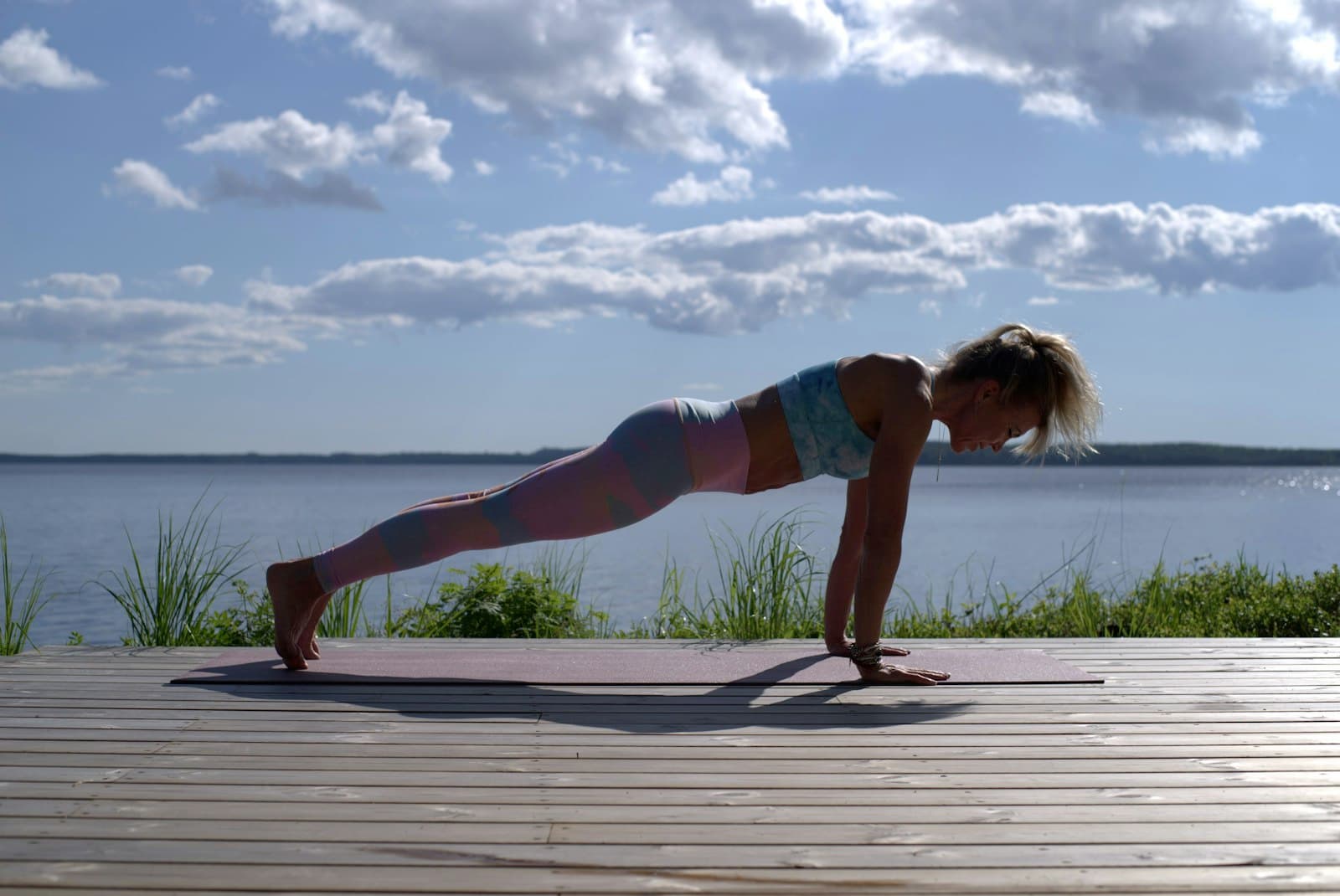
Do you want to take your athletic performance to the next level? Neuroathletic training could be the answer. In this blog post we explain how, with targeted exercises, you train your nerves and muscles so that they work together optimally.
What is neuroathletic training?
Neuroathletic training is an approach in sport that aims to optimise the neurological aspects of movement. It is not only about becoming stronger or faster, but about training more intelligently by improving the interplay between brain and muscles.
Why is neuroathletic training important?
Every athlete, no matter what level, can benefit from neuroathletic training. It helps you to optimise your movement sequences, to avoid injuries and to boost your overall athletic performance.
How do you get started?
1. Understand the basics
First learn how your nervous system works together with your body.
- Nervous system structure: The nervous system consists of the central nervous system (CNS), which comprises the brain and the spinal cord, and the peripheral nervous system, which comprises the nerves that supply the rest of the body. The CNS processes information and controls most of the functions of the body and the mind, while the peripheral nervous system transmits signals between the CNS and the rest of the body.
- Neuronal communication: Neurons, the cells of the nervous system, communicate via electrical impulses and chemical messengers, known as neurotransmitters. This communication enables the brain to send commands to the muscles, which triggers movement.
- Motor control: The motor cortex of the brain plays a decisive role in the planning, control and execution of voluntary movements. Signals are sent via the spinal cord to the motor neurons, which stimulate the muscles to contract.
- Sensory feedback: Sensory information from the skin, the joints and the muscles is fed back to the brain via sensory neurons. This information is used to assess the position of the body in space (proprioception) and the quality of movement.
- Reflexes and automatic reactions: Some bodily reactions are automated and are referred to as reflexes. These are essential for rapid reactions and for maintaining balance, especially during complex movements.
- Neuroplasticity: The brain has the remarkable ability to change in reaction to learning and experience. Training can improve the strength of the connections between neurons, which leads to faster and more efficient movement sequences.
- Stress and recovery: The nervous system is closely linked to the body's reaction to stress and recovery. Stress can influence performance capacity both positively and negatively, while adequate recovery is essential for the restoration of neuronal functions and the avoidance of overload.
Through understanding these basics you can develop more targeted strategies to address the nervous system in training, which leads to improved athletic performance. Neuroathletic training is based on strengthening these connections and optimising the interplay of brain, nerves and muscles.
2. Targeted exercises
Integrate specific exercises into your training that improve your sensorimotor abilities, such as balance and coordination.
- Barefoot balance exercises: These exercises promote balance and the proprioceptive reaction by including standing and balancing on one leg without shoes. Variations can include closing the eyes or using balance pads.
- Plyometric training: Fast, explosive movements such as jumps or sprints train, among other things, the responsiveness of the nervous system and the muscles' ability to react quickly to signals.
- Brain games under stress: Cognitive tasks such as solving puzzles or playing strategic games during physical exertion help to train cognitive function under load.
- Visual training: Exercises that improve visual processing, such as tracking objects that move or rapid gaze shifts between different targets.
- Sensory stimulation: This can include touching different textures with closed eyes or listening and reacting quickly to acoustic signals.
- Breathing exercises: Targeted breathing, in order to strengthen the connection between the diaphragm and the nervous system and to improve oxygen supply and stress management.
- Fine motor exercises: Small, precise movements that promote hand-eye coordination and fine motor skills, such as juggling or assembling small objects.
These exercises you can adapt individually to address your specific needs and to make the training interesting and challenging. In addition, many of these exercises can be combined with each other or also with classic exercises.
3. Regularity
As with every form of training, consistency is the key to success. Regular sessions are decisive.
Practical tips for effective neuroathletic training
- Start slowly: Do not overexert yourself at the beginning. Learn the techniques properly before you increase the intensity.
- Combine with traditional training: Neuroathletic training should be a supplement to your usual training, not the sole focus.
- Seek expert advice: A trainer who specialises in neuroathletics can help you get the most out of your training.
Conclusion
Neuroathletic training is a valuable supplement to your athletic training. It promotes not only your physical fitness, but also the health of your brain. Try it out and feel the difference in your performance!