Oxidative stress – what does it mean for your health?
Oxidative stress is a natural process in your body, but it can get out of balance. This produces free radicals – aggressive molecules that attack cells and can lead to health problems in the long term. But the body is not defenceless: it has its own protective mechanisms, which can be supported by antioxidants from your diet. In this article, you'll learn what oxidative stress actually is, how it develops and how you can influence it positively through diet and lifestyle.
What is oxidative stress?
Oxidative stress occurs when there are too many free radicals in the body and they are not sufficiently neutralised by antioxidants.
Free radicals – reactive molecules
Free radicals are molecules that are missing an electron. The chemical process in which a molecule loses electrons is called oxidation and plays an important role in many bodily processes. To fill this gap left by the lost electron, the molecules desperately search for a partner and react with other molecules in the cells, or "attack" them. They snatch electrons from other molecules, which can cause damage to cell membranes, proteins or DNA.
How do free radicals develop?
Free radicals develop as a natural part of metabolism, but external influences can also increase their production:
- UV radiation – Too much sun without protection can promote free radicals.
- Air pollution & environmental toxins – Pollutants in the air or pesticides in food can intensify oxidative stress.
- Smoking & alcohol – Both promote the formation of free radicals while at the same time depleting the body's own antioxidants.
- An unhealthy diet – Highly processed foods, too much sugar and trans fats can intensify oxidative stress.
- Mental & physical strain – Stress and intense physical exertion can influence the balance between oxidative stress and antioxidants.
What are the consequences of oxidative stress?
When the body doesn't have enough antioxidants available to neutralise free radicals, this can lead to cell damage.
Oxidative stress and chronic inflammation are closely connected, but not the same thing: oxidative stress can trigger or intensify inflammation, because free radicals cause cell damage that forces the immune system to react. At the same time, chronic inflammation leads to an increased formation of free radicals, which generates even more oxidative stress – a cycle that can impair health in the long term.
In the long term, oxidative stress is associated with various health problems:
- Skin ageing – An excess of free radicals can accelerate wrinkles, pigment spots and loss of skin elasticity.
- Cardiovascular diseases – Damage to the blood vessels caused by oxidative stress can promote arteriosclerosis and high blood pressure.
- Cancer – Long-term cell damage increases the risk of mutations and thus the development of cancer.
- Neurodegenerative diseases – Diseases such as Alzheimer's and Parkinson's are linked to oxidative stress.
- Impaired immune system – Free radicals can promote inflammatory processes and weaken the immune system.
How does the body protect itself from oxidative stress?
Fortunately, the body has various mechanisms to control oxidative stress:
- Endogenous antioxidants – The body produces its own antioxidants such as glutathione, superoxide dismutase (SOD) or catalase to neutralise free radicals.
- Repair mechanisms – Damaged cell components can be repaired or recycled to a certain extent.
- Autophagy – A process in which damaged cells are broken down and recycled to prevent new damage.
But these protective mechanisms reach their limits when the burden caused by free radicals becomes too great. This is where a conscious diet and a healthy lifestyle can help.

Become a nutrition coach
Turn your passion into a career!
Explore the diverse training programmes of the update Akademie and qualify as a nutrition coach.
Antioxidants – natural helpers against oxidative stress
Antioxidants are molecules that render free radicals harmless by giving them an electron, without becoming unstable themselves. In this way, they interrupt the harmful chain reaction of cell damage.
Important antioxidants and their sources
- Vitamin C – Found in citrus fruits, berries, peppers and broccoli.
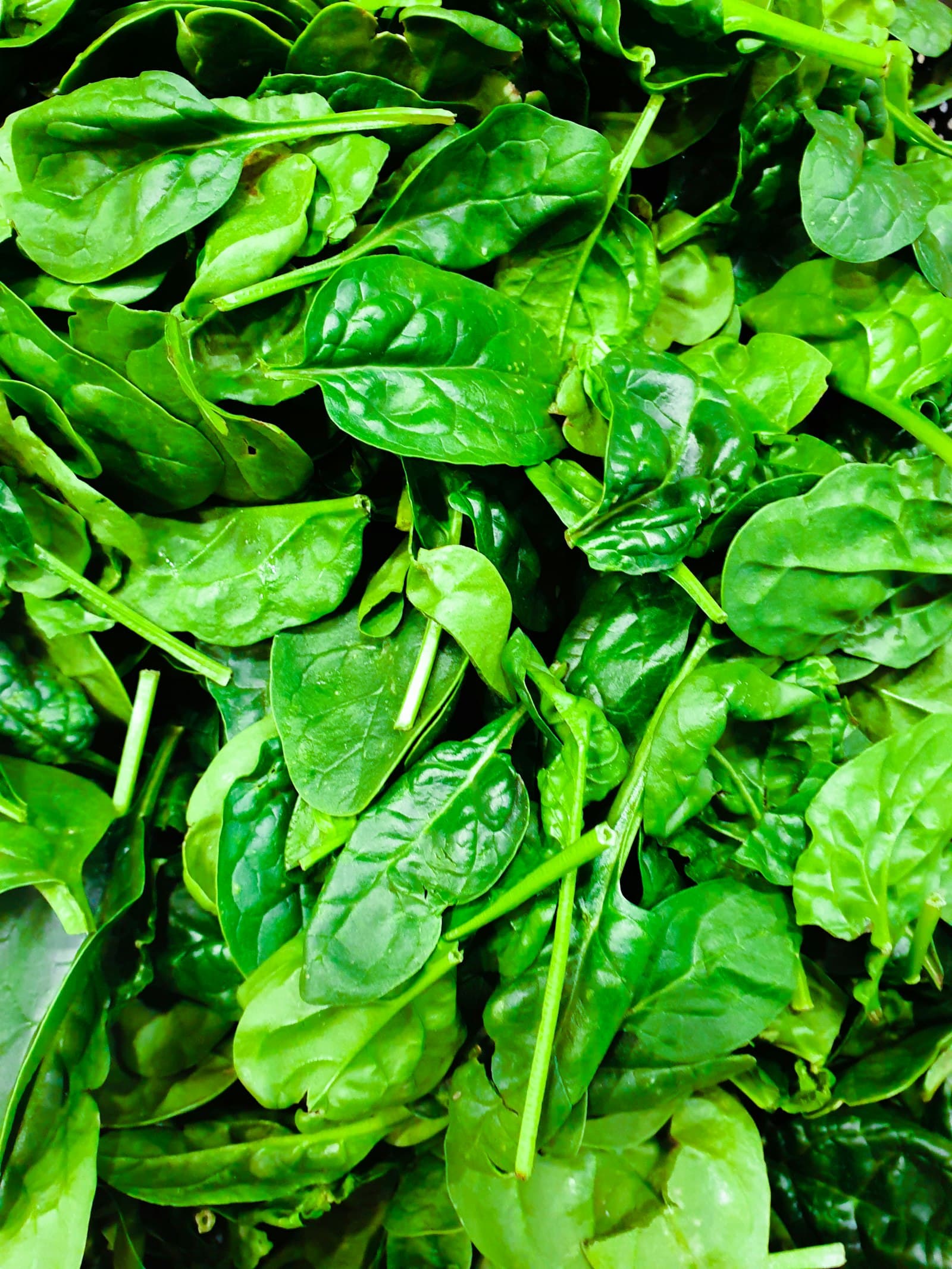
- Vitamin E – Found in nuts, seeds, spinach and vegetable oils.
- Beta-carotene (provitamin A) – Contained in carrots, sweet potatoes, pumpkin and apricots.
- Polyphenols – Valuable plant substances in green tea, dark chocolate, grapes and berries.
- Selenium – Important for antioxidant enzymes, contained in Brazil nuts, fish, eggs and wholegrain products.
- Zinc – Supports cell protection, found in legumes, nuts, meat and dairy products.
What can you do about oxidative stress?
As already mentioned, it's not only environmental toxins or a poor diet that promote oxidative stress – any form of stress, whether physical or mental, leads to an increased production of free radicals. But not all stress is automatically harmful: natural stressors such as physical activity, short-term cold- or heat stimuli or mental challenges can even, if followed by sufficient recovery, help the body cope better with oxidative stress. The key, then, is not to avoid stress completely, but to find the right balance between strain and recovery.
1. Optimise your diet
A diet rich in antioxidants helps to reduce oxidative stress. It's particularly important to regularly incorporate the foods mentioned above into your daily diet. Fresh fruit and vegetables, healthy fats from nuts and vegetable oils are valuable sources of antioxidants. Longer fasting periods or calorie restriction can also reduce the formation of free radicals and activate cell-protecting mechanisms in the long term.
2. Stress management & sufficient sleep
Chronic stress promotes oxidative stress. Relaxation techniques such as meditation, breathing exercises or walks in nature help to maintain balance. Sufficient sleep is also essential, as the body repairs damaged cells during the night.
3. Exercise with the right recovery
Sport is fundamentally positive for your health, as it can stimulate the body's own antioxidant production in the long term. However, very intense training without sufficient recovery can increase the production of free radicals. It's therefore important to:
- pay attention to a balanced training load.
- plan enough regeneration time to repair cell damage.
- A diet rich in antioxidants and sufficient fluid intake support regeneration.
4. Avoid environmental toxins and harmful habits
Smoking, excessive alcohol consumption and a highly processed diet can intensify oxidative stress. Reducing these factors relieves the body considerably.
Conclusion: antioxidants as natural cell protection
Oxidative stress is a natural process that is well regulated in a healthy body. But environmental factors, stress and unhealthy habits can disturb the balance.
With a healthy diet, regular exercise and sufficient recovery, you can help your body keep free radicals in check. Antioxidants, which you can absorb through fresh, natural foods, are particularly important. This way, you can actively contribute to protecting your cells and staying healthy in the long term!