Sports nutrition coach or nutrition coach: which training suits you better?
You love the topic of healthy eating, enjoy reading studies about nutrients and want to turn your passion into a profession? Congratulations, you've landed in a truly future-proof industry! More and more people are realising that the right nutrition is the key to health and performance.
If you're now looking for a suitable training programme in Switzerland, you're often faced with a decisive question: should I complete the classic nutrition coach training or specialise directly as a sports nutrition coach ? Both paths are exciting, but they are aimed at completely different target groups and require different specialist knowledge. In this blog post we show you the differences and help you decide.
The nutrition coach: focus on everyday life, health and well-being
As a classic nutrition coach, you are the first point of contact for people who want to improve their lifestyle sustainably. You work mainly with the so-called „general population“. Your goal is not to prepare someone for a marathon, but to help them manage everyday life in a healthier and more vital way.
Your typical tasks and topics:
- Weight management: supporting clients in healthy weight reduction or weight gain, without extreme diets.
- Dietary change in everyday life: tips for healthy family meals, meal prep for the office and overcoming cravings.
- Prevention and vitality: how to strengthen the immune system and have more energy in everyday life through the right choice of foods.
- Psychology of nutrition: finding out why someone eats (e.g. stress eating) and how to break old habits.
Who is this training ideal for?
For everyone who enjoys working with very different people – from the stressed mother to the office worker with back pain and excess weight. If you want to work holistically and health-oriented, this is your path.
The sports nutrition coach: focus on performance, muscle building and recovery
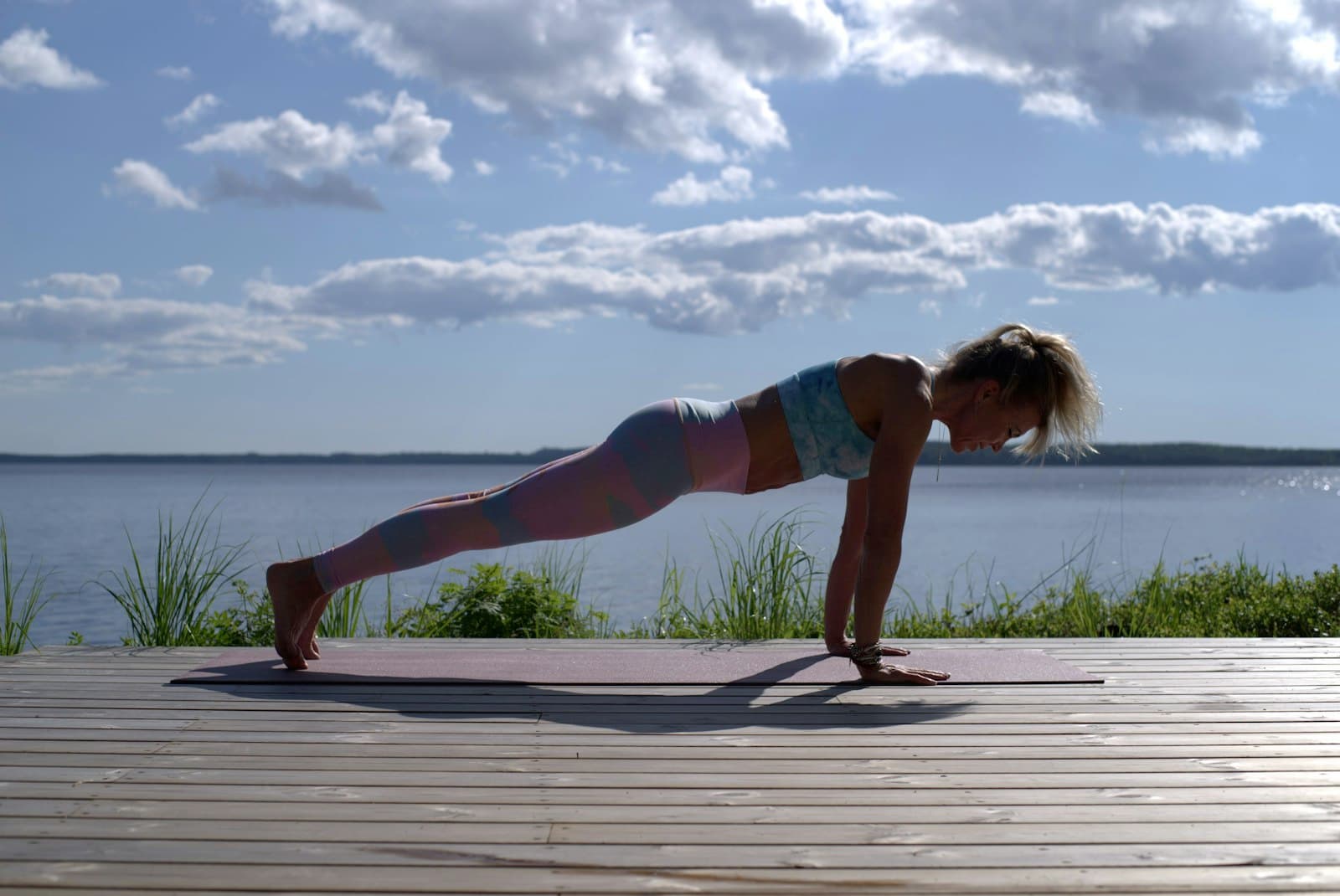
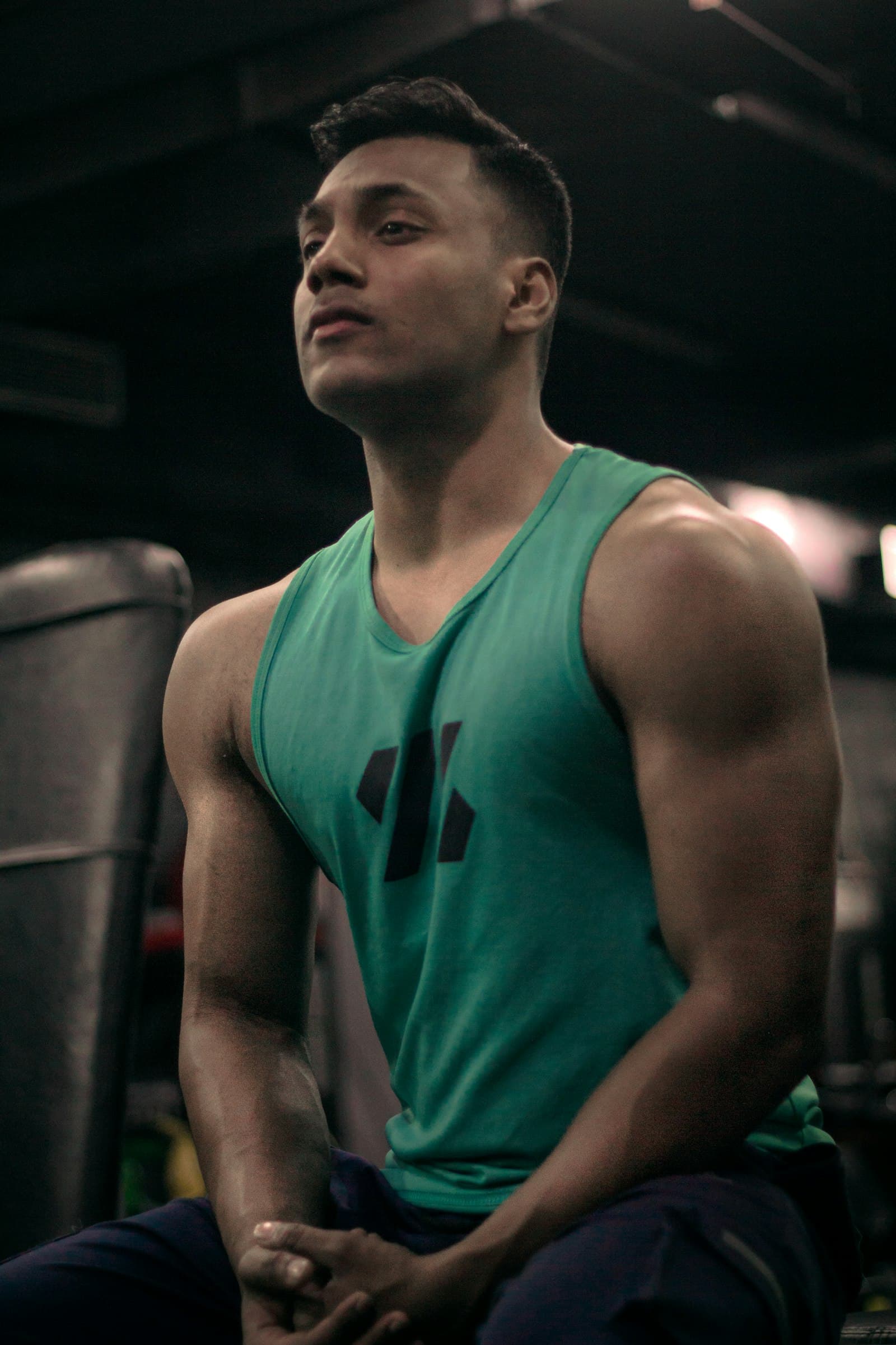
Sports nutrition begins where basic nutrition ends. As a sports nutrition coach, you work with ambitious recreational athletes, competitive athletes or people pursuing very specific physical goals (e.g. extreme muscle building, competition preparation). Here it's not just about eating „healthily“, but about using nutrition as a tool to enhance performance.
Your typical tasks and topics:
- Macro- and micronutrient timing: when exactly must carbohydrates or proteins be consumed to support training optimally?
- Performance enhancement & recovery: how do you shorten the recovery phases between intense training sessions through the right nutritional intake?
- Supplements: sensible use of dietary supplements (creatine, amino acids, isotonic drinks etc.) in sport.
- Specific diet forms: supporting athletes in weight reduction for weight-class sports (e.g. combat sports) or in competition dieting (bodybuilding).
Who is this training ideal for?
For fitness trainers, , personal trainers and active athletes who want to deepen their knowledge. If you're passionate about physiological processes, training plans and measurable athletic success, you're in exactly the right place here.
The direct comparison at a glance
To make the decision even easier for you, we've summarised the most important differences here:
Criterion
Nutrition coach
Sports nutrition coach
Primary goal
Health, well-being, weight regulation
Performance enhancement, muscle building, fast recovery
Target group
Ordinary people, overweight people, families, seniors
Recreational athletes, competitive athletes, bodybuilders, personal training clients
Consulting focus
Basics of nutrition, changing habits, everyday suitability
Nutrient timing, supplements, energy provision in sport
Working environment
Own practice, health centres, online coaching
Fitness studios, sports clubs, direct collaboration with personal trainers
Decision aid: which questions you should ask yourself now
Still unsure? Answer these three questions honestly for yourself:
- Who is my ideal client? Do you want to help Aunt Erna relieve her joint pain through less weight, or do you want to prepare the 25-year-old crossfitter for his next competition?
- Do I already have a fitness background? If you're already a fitness trainer, the sports nutrition coach is often the logical and most lucrative addition to your existing offering.
- How technical may it be? Sports nutrition is very numbers-driven (tracking calories precisely, calculating grams per kilogram of body weight). General nutrition coaching is often more psychological and empathetic.
The absolute insider tip: many successful coaches start with the basic training as a nutrition coach in order to lay a strong foundation, and then add the sports nutrition coach as a specialisation. This way you can professionally reach an extremely broad target group in the market!