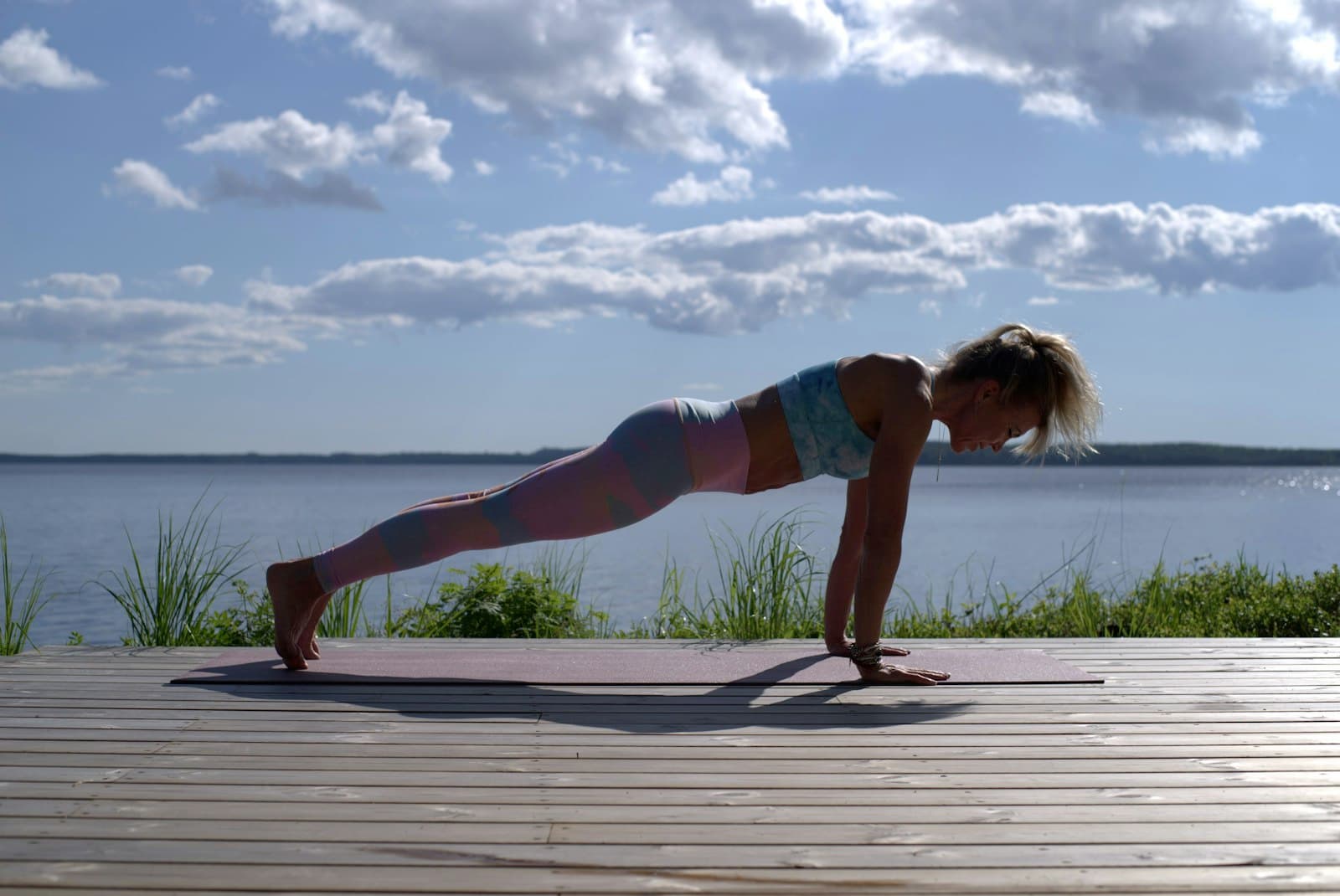
Recovery is a decisive part of a successful training plan. While it's specifically planned and optimised in competitive sport, it's often neglected in the recreational area, where intensive training takes centre stage – with negative consequences for performance, progress and injury risk.
In this article you'll learn why recovery is so important in training, what physiological and psychological benefits it has and how you can integrate it into your routine in a targeted way to be successful in the long term.
What does recovery in training mean?
Recovery refers to the phase in which your body rests and adapts after exertion. This phase is essential for repairing micro-injuries in the muscles, replenishing glycogen stores and relieving the nervous system. Without sufficient recovery, your body can't make progress – and you risk overload or injuries.
There are two main forms of recovery:
- Active recovery: Light movements such as yoga, cycling or walking promote circulation and help the body recover more quickly.
- Passive recovery: Rest phases, sufficient sleep and relaxation techniques support physical and mental recovery.
Physiological benefits of recovery
Well-thought-out recovery in training brings numerous physical benefits:
✅ Muscle repair & growth: After training, the body repairs damaged muscle fibres and rebuilds them stronger. This way you promote long-term muscle growth and strength gains.
✅ Restoring glycogen stores: The energy stores in the muscles are depleted by intense and long exertion. The right recovery – above all through nutrition – helps to efficiently replenish these stores.
✅ Better cardiovascular function: Through sufficient recovery, your body adapts to the exertion, which optimises your endurance performance and oxygen supply.
✅ Lower injury risk: Too little recovery leads to overtraining and increases the risk of muscle and joint injuries. With good recovery management you stay healthy and capable in the long term.

Would you like to turn your hobby into a profession too?
Discover the various training programmes of the update Akademie and qualify as a fitness trainer!
Mental and psychological benefits of recovery
Besides the physical benefits, recovery also plays a central role for your mental well-being:
🧘♂️ Stress reduction: Intensive training is a strain on body and mind. Recovery helps to break down stress hormones and provides balanced well-being.
🚀 More motivation & focus: Those who don't recover enough often lose the desire to train. With sufficient recovery you stay motivated and ready to perform.
💡 Better concentration & sleep quality: Recovery breaks not only promote your physical recovery, but also improve your mental performance.
Tips for effective recovery in training
To get the best out of your recovery phases, you should keep the following points in mind:
🔹 Active recovery: Rely on light movements such as walking, stretching or easy cycling. This keeps your circulation active without overtaxing your body.
🥑 Optimal nutrition: Depending on your goal and type of training, after training you should replenish your glycogen stores with carbohydrates and support muscle recovery with proteins. Rely on unprocessed carbohydrates such as potatoes, rice, quinoa or whole-grain products. Proteins from fish, meat or nuts additionally help with muscle building and repair.
😴 Enough sleep: While you sleep, important repair processes take place in your body. Try to plan 7–9 hours of sleep per night.
💧 Don't forget hydration: Water is essential for recovery, as it supports the metabolism and transports waste products out of the body. Drink enough to keep your fluid balance in equilibrium.
🧘♀️ Use relaxation techniques: Meditation, breathing exercises or massages help to calm the nervous system and promote recovery. The sauna promotes circulation and helps remove metabolic waste, while cold baths support muscle recovery, reduce inflammation and prevent muscle soreness.
Conclusion: recovery is the key to success
Without sufficient recovery in training, progress is hardly possible. Your body needs these phases to adapt, repair and achieve new peak performances.
➡ Rely on active and passive recovery.
➡ Pay attention to a balanced diet and enough sleep.
➡ Drink enough water and reduce stress through targeted relaxation techniques.
If you integrate recovery into your training plan, you'll become stronger, healthier and more capable in the long term – and can fully exploit your potential.