Back to the roots – that's the motto of the paleo diet (or palaeo). It promises to supply the body with exactly those foods it is evolutionarily "made" for. From better digestion through weight reduction to more energy: the benefits sound promising. But what's really behind it?
In this article you'll learn everything about the origin, the scientific foundations, benefits and challenges of the paleo diet – and which variants exist.
The history of the paleo diet
The idea behind the paleo diet is not new: for decades it has been debated that our modern eating habits – shaped by industrially processed foods – are not optimal for our health. In the early 2000s the concept was made known by researchers such as Loren Cordain, who put forward the thesis that our genes are still largely geared to the food of the Palaeolithic.
The paleo diet therefore orients itself towards what hunter-gatherers presumably ate – long before agriculture and animal husbandry emerged. The goal: back to a way of eating that is evolutionarily proven and supplies the body with natural, unprocessed foods.
A central argument is that the discrepancy between our genetic heritage and the modern way of eating could be an essential factor in many so-called diseases of civilisation.
What is the paleo diet?
The paleo diet is based on natural, unprocessed or minimally processed foods that contain no additives and could have been available in the Palaeolithic. That means:
✅ Allowed:
- Meat and fish
- Eggs
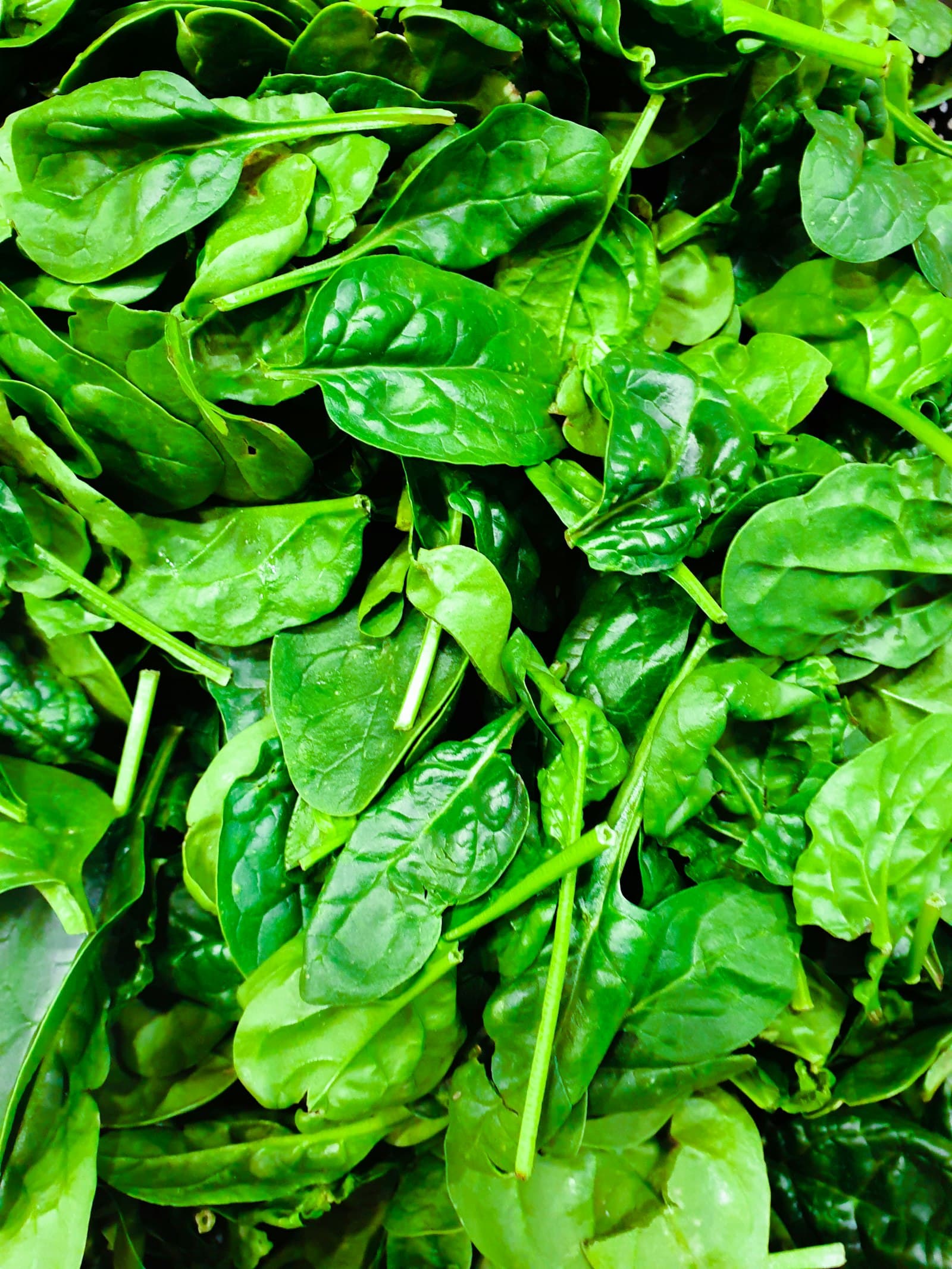
- Vegetables and fruits
- Nuts and seeds
- Healthy fats such as olive oil or coconut oil
- Herbs and spices
❌ Avoided:
- Grains (wheat, rye, oats, etc.)
- Legumes (beans, lentils, peas)
- Dairy products
- Sugar and sweeteners
- Industrially processed products
At the centre is the idea of keeping blood sugar stable, reducing inflammation and offering the body a high nutrient density.
What happens in the body? The physiological foundations
The paleo diet consistently forgoes foods that only arose with agriculture and industrial processing. This is meant to avoid potential "disruptive factors" such as gluten, lectins or added sugar, which are associated with inflammation, digestive complaints or metabolic problems.
In contrast to the ketogenic or carnivore diet, the focus here is not on achieving ketosis, but on a balanced supply of macro- and micronutrients from unprocessed sources. Carbohydrates are allowed in the form of vegetables and fruits, which ensures a good supply of vitamins, minerals and fibre. Since most carbohydrates consumed in the paleo diet have a low glycaemic index and are rich in fibre or are taken in combination with protein- and fat-rich foods, blood sugar often stays stable. As a result – especially during physical activity or longer breaks between meals – a mild ketosis can occur, even though it is less pronounced than with a strictly ketogenic diet.
Many people report:
- Improved digestion
- More energy and balance
- Weight loss
- More stable blood sugar values
- Reduction of inflammatory processes
Interestingly: the paleo diet is said to promote gut health through the high proportion of vegetables, support the micronutrient balance and aims to keep the diet as natural as possible and free of industrial additives. It thus combines the best of both worlds – high-quality animal products and nutrient-rich vegetables.

Become a nutrition coach
Turn your passion into a career!
Explore the diverse training programmes of the update Akademie and qualify as a nutrition coach.
Are there different forms of the paleo diet?
Yes – similar to the ketogenic diet, different orientations have also developed for paleo, depending on the goal and personal conviction:
- Strict Paleo: a very strict interpretation in which only the classic paleo foods are really allowed.
- Primal Paleo: somewhat looser – allows e.g. certain dairy products (especially raw milk products) and also occasionally potatoes.
- Autoimmune Paleo (AIP): a special variant for people with autoimmune diseases. It additionally forgoes nightshades (such as tomatoes), nuts, seeds and eggs.
- Paleo Low Carb: a combination of paleo and low carb/ketogenic, in which the carbohydrate proportion is strongly reduced.
This diversity shows: even within the paleo movement there is no one-size-fits-all solution, but individual possibilities for adaptation.
Health benefits: what does science say?
Advocates of the paleo diet report numerous positive effects. First scientific studies confirm, among other things:
✅ Blood sugar regulation: more stable blood sugar values and increased insulin sensitivity. ✅ Weight loss: through forgoing heavily processed foods and sugar. ✅ Improvement of blood lipid values: some studies show more favourable triglyceride and HDL values. ✅ Better feeling of satiety: through the high nutrient density and the protein proportion.
As with many dietary forms, however, there are still no long-term studies conclusively proving how sustainable these effects are.
Possible challenges and points of criticism
Even though the paleo diet offers many advantages, there are aspects that should be viewed critically:
- Restriction of certain food groups: forgoing legumes and grains can limit fibre intake. • Dairy products: these provide calcium and other important nutrients, which do not occur or only to a limited extent in paleo. • Costs and availability: high-quality animal products are often expensive and not always easy to obtain. • The "Stone Age trap": critics complain that there never was a single Stone Age diet – our ancestors ate completely differently depending on the region. • Scientific debate: some experts question whether the eating habits of the Palaeolithic are really suitable as a model for the present day, especially since lifestyle and environmental conditions have changed strongly.
Here too the rule applies: a conscious and balanced choice of foods is decisive in order to avoid nutrient deficiencies.

Become a fitness trainer
Turn your passion into a career!
Explore the diverse training programmes of the update Akademie and qualify as a fitness trainer!
A typical day with paleo
A simple example day could look like this:
- Breakfast: omelette with vegetables and herbs
- Lunch: salad with grilled chicken, avocado and nuts
- Dinner: pan-fried salmon fillet with broccoli and sweet potatoes
- Snacks: almonds, carrot sticks, an apple
Conclusion: who is the paleo diet suitable for?
The paleo diet offers a clear focus on natural, unprocessed foods and can be an interesting option precisely for people who suffer from digestive complaints, inflammation, autoimmune diseases or overweight. It relies on quality over quantity and promotes conscious eating behaviour.
It is important, however, that this way of eating – like any other – is not equally well suited for everyone. Anyone who wants to implement paleo in the long term should also engage with it theoretically, adapt the diet individually and, if needed, seek professional advice in order to ensure a balanced nutrient supply.