Training plans, healthy eating, recovery – in everyday life this often works well. But what happens when you're on the go a lot or going through a stressful phase? Does your fitness then automatically have to suffer? Fortunately not. With a few simple strategies, you can stay fit even in busy times – without expensive equipment or a lot of time.
Setting realistic goals – and consciously choosing priorities
Not every day allows for structured training. And that's okay. What matters is that you move what's possible – without putting yourself under pressure. Even short, targeted sessions or small movement impulses in everyday life can help stabilise your energy level and prevent muscle loss.
Just as important: also quite consciously allow yourself training breaks – for example in hectic phases, while travelling, at important appointments or on holiday. The body doesn't need stimuli all the time, but also phases of recovery. And sometimes a break is even the better training stimulus.
You can use this time to focus on your mindset: how is your body doing right now? What do you really need – movement, rest or conscious presence? Physical and mental relaxation are also valuable contributions to health.
Expressed in numbers, this means: the absolute fat burning often differs only slightly between light and more intense sessions – sometimes it is even slightly higher at higher intensity. The higher proportion in the “fat-burning zone” is therefore put into perspective as soon as you consider the calorie balance as a whole.
👉Conclusion: whether you decide on a mini-session, move around in your everyday life or simply do nothing – what counts is that you treat your body consciously, without stressing yourself.
Small sessions
Even 10 minutes count. Especially in phases without a fixed rhythm, short, targeted impulses are often more realistic than long workouts. And the best part: they work – if you incorporate them regularly.
For example:
- HIIT elements in the hotel room or outdoors: 20 seconds of burpees, 10 seconds of rest – 4–5 rounds. Or 30–120 seconds of intense or “all out” sprints or jump-rope series, followed by 1–4 minutes of walking or light jogging for 3–10 rounds.
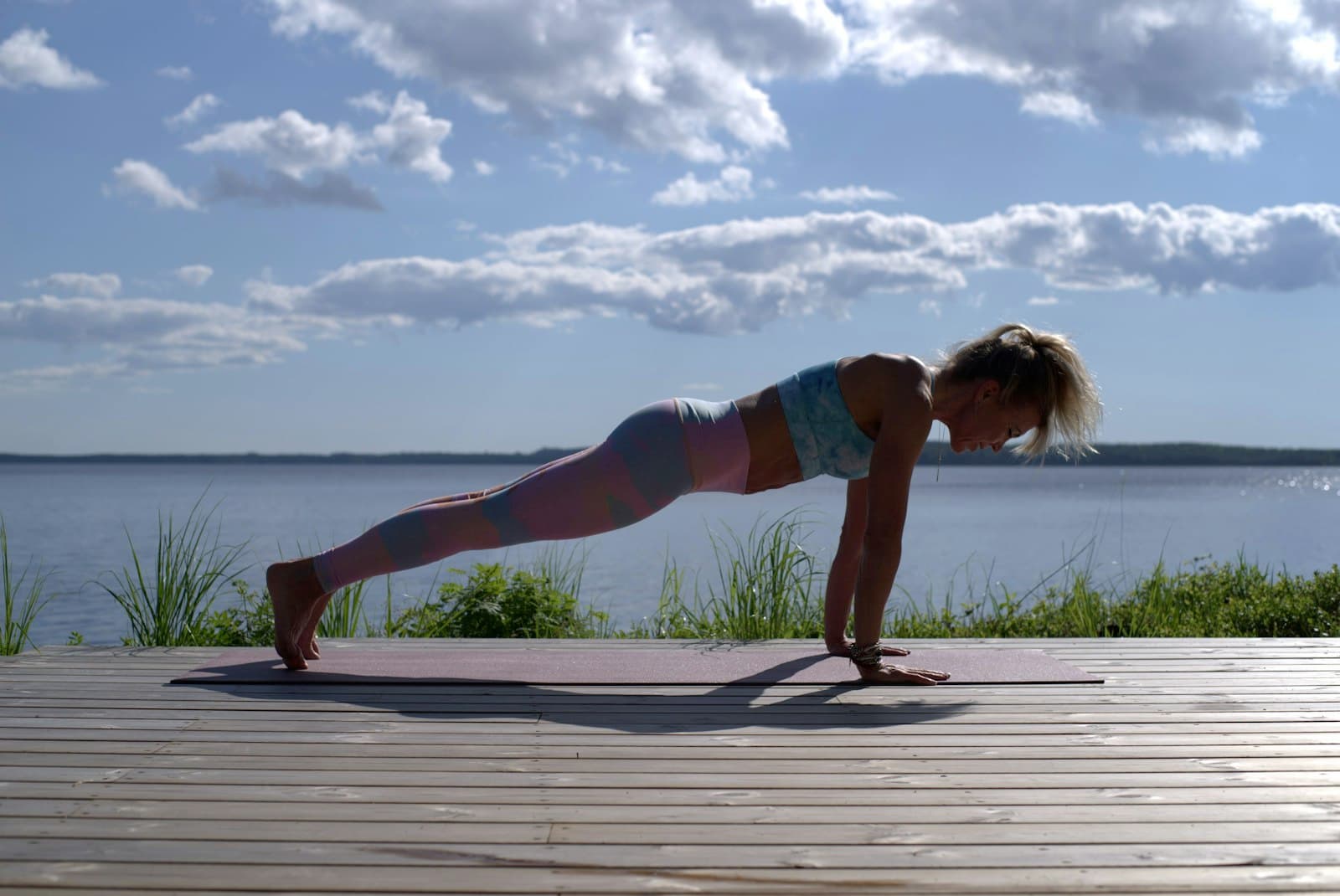
- Strength exercises with your own body weight: push-ups, plank, squats – no equipment needed.
- Mobilisation sessions in the morning or evening: ideal after long periods of sitting or travelling, to release tension and improve your body awareness.
👉Don't let perfection hold you back. It's not about carrying out your usual training exactly the same in all situations of life, but about integrating movement into your everyday life on the go. Even small sessions keep your body active – and keep your awareness of movement alert. They also ensure that you stay mentally fit, are in a better mood and can concentrate better.

Would you like to turn your hobby into a career too?
Discover the various training programmes of the update Akademie and qualify as a fitness trainer!
Cleverly integrating movement into everyday life
Often it's not the missing gym, but sedentary behaviour that troubles your body. So pay particular attention to:
- Stairs instead of the lift, even with luggage.
- Active breaks during meetings or on long journeys – for example a few steps in the hotel lobby or a short mobilisation programme.
- Walks after meals – they also help digestion.
- Stretching and mobilising while brushing your teeth or while watching television in the evening in the hotel room
- Discovery walk: especially in new places, a little stroll after work is worthwhile – whether through the city, in a park or around the hotel surroundings. You move, get fresh air and get to know the area at the same time.
Nutrition: flexible, but conscious
Eating out or snacking on the go doesn't have to be an obstacle to your fitness routine. With a few simple principles, you'll stay well nourished even on the go or in hectic phases:
- A protein focus at the main meals (e.g. fish, meat, eggs, tofu, nuts and legumes): proteins are filling, support recovery and help maintain muscle mass.
- Vegetables whenever possible – also as a snack: they provide vitamins, minerals and fibre – for good gut feeling and stable energy.
- Drinking water – often forgotten, especially on the go: sufficient fluid helps prevent fatigue and lapses in concentration and keeps the metabolism running.
- When it has to be quick: Protein bars, shakes, nuts or fruit are nutrient-rich and filling – and prevent cravings, which often lead to unconscious sugary snacks.
Common pitfalls – and how to avoid them
Even if you're motivated: some mistakes can slow you down rather than move you forward.
- All-or-nothing thinking: 10 minutes of training is better than nothing at all.
- Too much intensity at once: especially with jet lag or lack of sleep, better to start gently or build in a rest day.
- Underestimated recovery: travel and stress take their toll – take conscious recovery breaks. Especially with long-term planned business trips, you can structure your training plan in advance so that the deload phases fall exactly during this time
Conclusion: fitness is also possible on the go
You don't have to subordinate your life to training – but learn to bring the two into harmony. With a flexible mindset, simple tools and a good sense of your needs, you can move and feel good in a meaningful way even in hectic times. Perhaps not always as structured – but continuously. And that's exactly what makes the difference in the long run.