Lipedema treatment: 4 steps to less pain and more quality of life
A lipedema diagnosis often raises many questions and can be extremely burdensome in everyday life. This chronic and painful fat distribution disorder in the legs and arms affects almost exclusively women. But there is good news: even though the condition cannot be fully cured conservatively, a targeted, multimodal lipedema treatment lets you massively improve your quality of life and actively relieve the pain.
Based on the current S2k guidelines (2024) and the latest scientific studies, we have summarized the 4 most important steps for a holistic treatment.
1. The right nutrition: anti-inflammatory and blood-sugar-stabilizing
The pathologically altered lipedema fat tissue cannot be reduced through diets, yet nutrition plays an absolutely key role. A targeted change helps curb inflammatory processes in the tissue and reduce any excess weight (obesity). Isoglycemic (blood-sugar-stabilizing) or modified ketogenic nutrition in particular shows great success in studies for pain reduction.
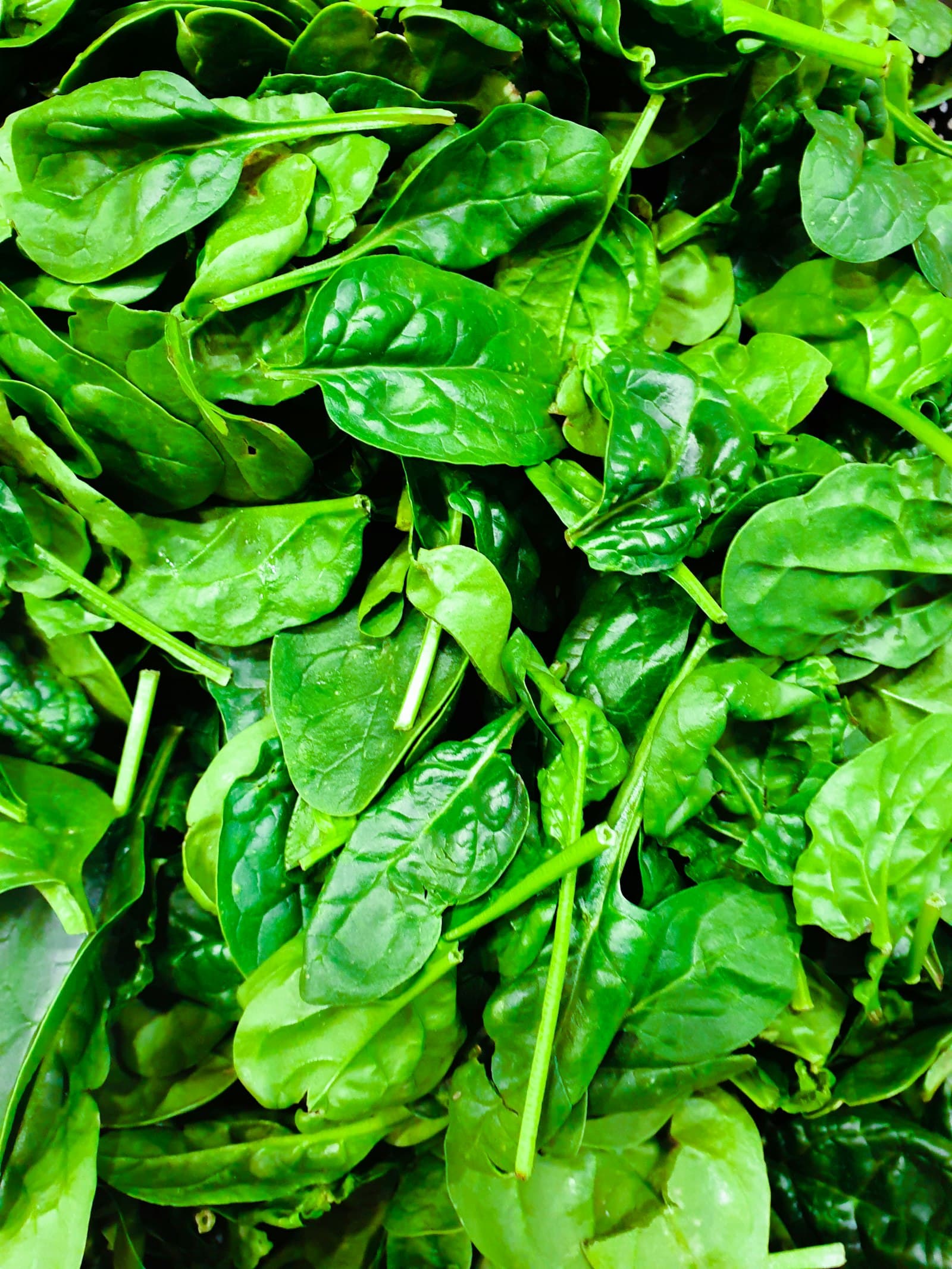
- Green vegetables and berries: They are rich in antioxidants for cell protection and combat oxidative stress.
- Oily fish and healthy oils: Salmon, herring, olive oil or linseed oil provide essential omega-3 fatty acids, which have been shown to reduce inflammation by up to 30 percent.
- Cutting out sugar and white flour: Refined carbohydrates fuel insulin spikes and promote painful water retention. You should also cut out sunflower oil and processed sausage products.
2. Movement and exercise (always with compression!)
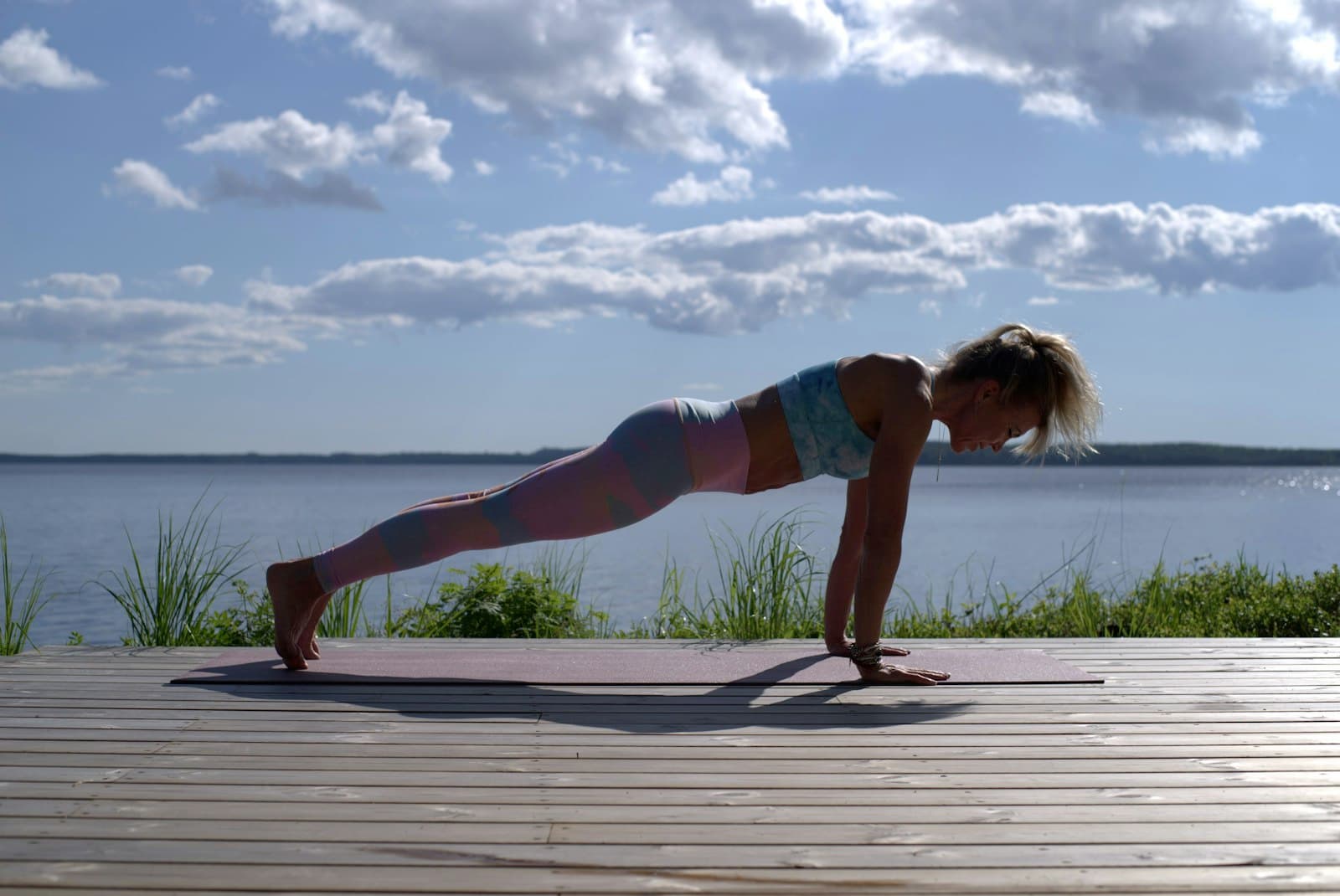
Movement activates the muscle-vein pump, which can boost the drainage of lymphatic fluid by over 40 percent. Very important: every land-based workout must absolutely be done in your flat-knit compression garments.
The undisputed champion for lipedema, however, is water sports (such as aqua cycling, aqua jogging or swimming). The hydrostatic pressure of the water acts like a deep, natural lymphatic drainage, while the buoyancy protects your weight-burdened joints. In addition, gentle strength training at home can help you build up your muscles as a strong counter-support for the compression. Studies prove that targeted training can significantly improve pain, fatigue and tissue volume.
3. Daily self-management and decongestion
The therapeutic foundation includes complex physical decongestive therapy (CDT), consisting of professional manual lymphatic drainage (MLD) and medical flat-knit compression. Your personal self-management is crucial between appointments:
- Skin care: Compression stockings can severely dry out the skin. Care for the affected areas morning and evening with pH-neutral, panthenol-containing products (e.g. from Bauerfeind or Callusan) to prevent cracks and inflammation.
- Device-based helpers: Intermittent pneumatic compression (IPC), used regularly as a home device, can massively strengthen your own self-management and ease feelings of tension in the evening.
4. Mindfulness and stress management
Lipedema management also means mental work. During stressful phases of life, many patients feel the typical lipedema pain far more intensely. A chronically high stress level alters the hormone balance and can promote the progression of the disease. Regular routines for mindfulness, meditation or gentle breathing exercises are therefore not a side issue, but genuine building blocks of pain therapy.
Conclusion: You are not helplessly at the mercy of your lipedema. With a combination of anti-inflammatory nutrition, joint-friendly movement, consistent compression and caring self-management, you can lay the foundation for a lighter, more active life over the next eight weeks.
With our Fitness- und Bewegungstrainer Basic or Ernährungscoach training you can help specifically with lipedema.