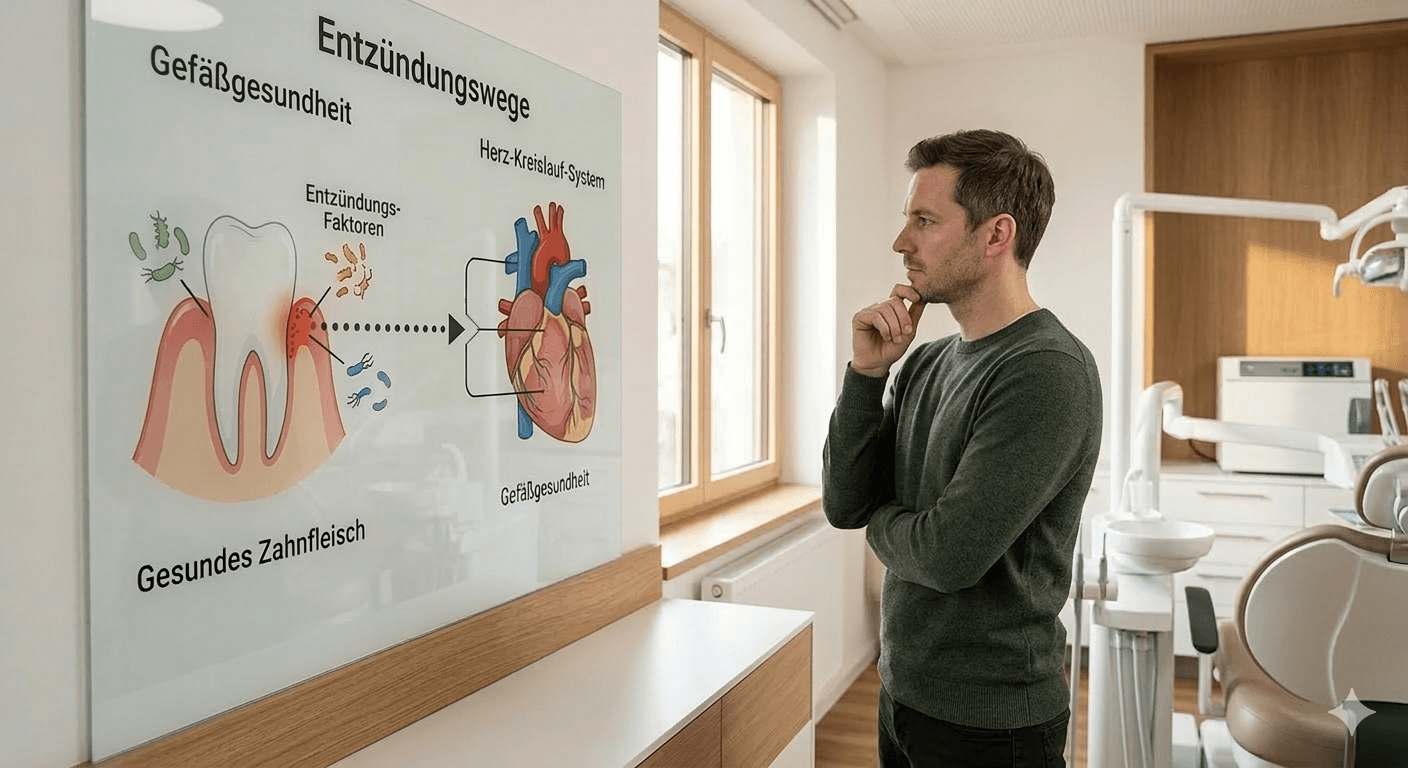
Oral bacteria and heart health: why gum inflammation can affect the heart
Oral bacteria can promote inflammation in the arteries and thus favour cardiovascular disease. Why good oral health also protects your heart.
Read more →Oral bacteria can promote inflammation in the arteries and thus favour cardiovascular disease. Why good oral health also protects your heart.
Read more →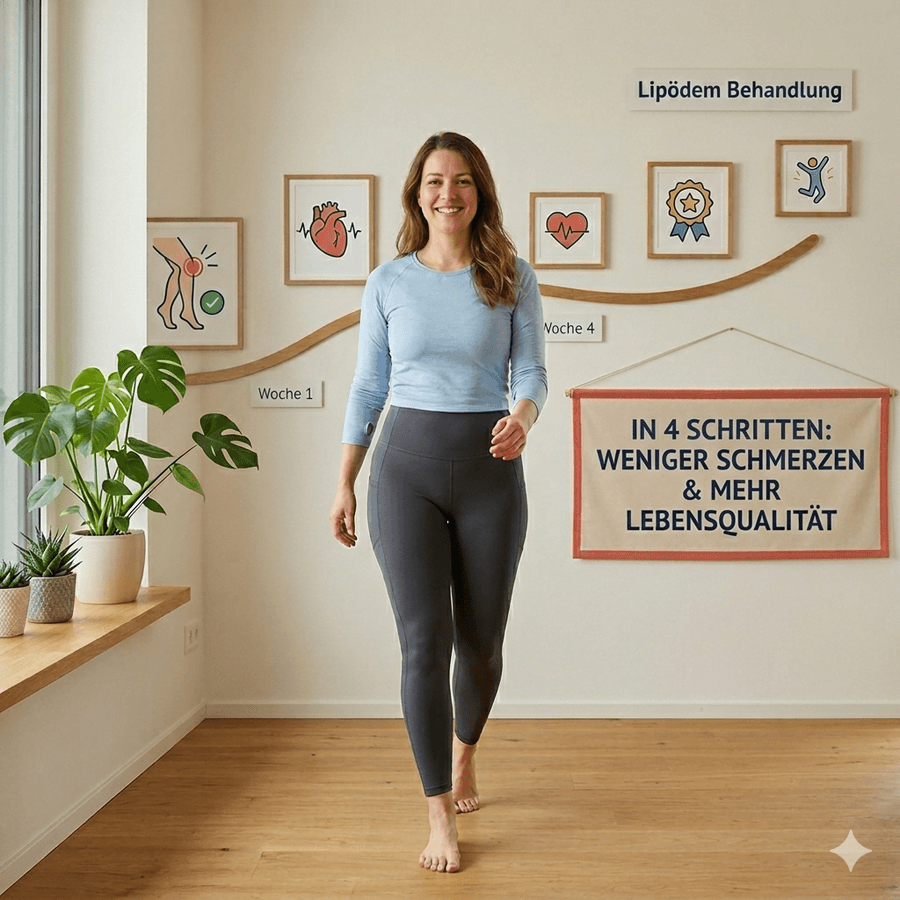
Lipedema treatment: 4 steps to less pain and more quality of life: 4 steps to a holistic lipedema treatment. Discover how nutrition, exercise and …
Read more →
Your heart is a muscle and adapts too: what lies behind the athlete's heart, and how endurance, interval and strength training differ in their effect.
Read more →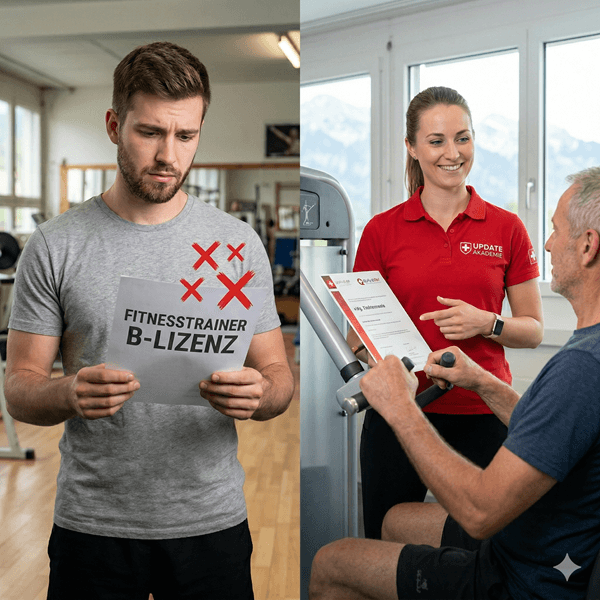
The classic A, B and C licences do not exist in the Swiss education system, and online certificates disappoint at renowned centres. What counts instead.
Read more →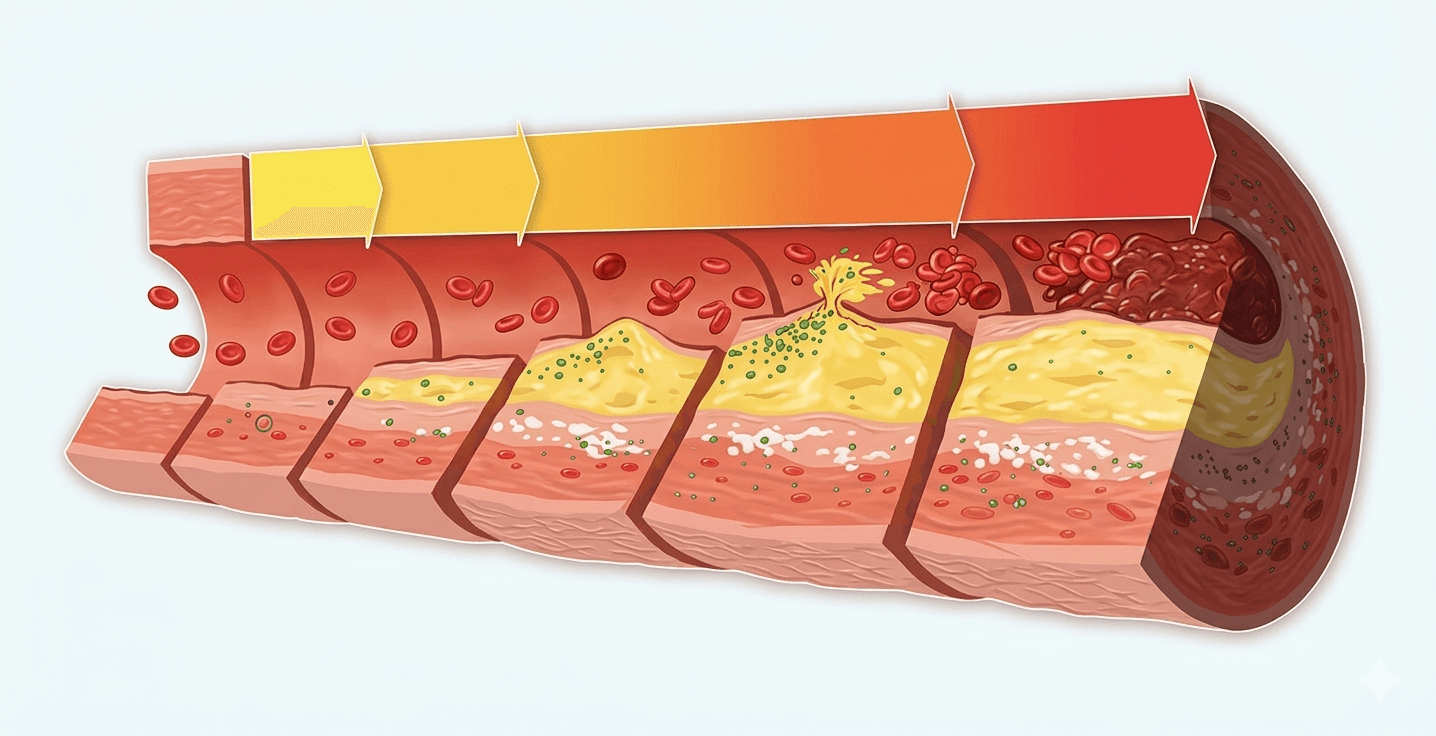
Plaques in the vessel wall consist of fats, inflammatory cells and connective tissue, later also calcium. How they narrow vessels and cost elasticity.
Read more →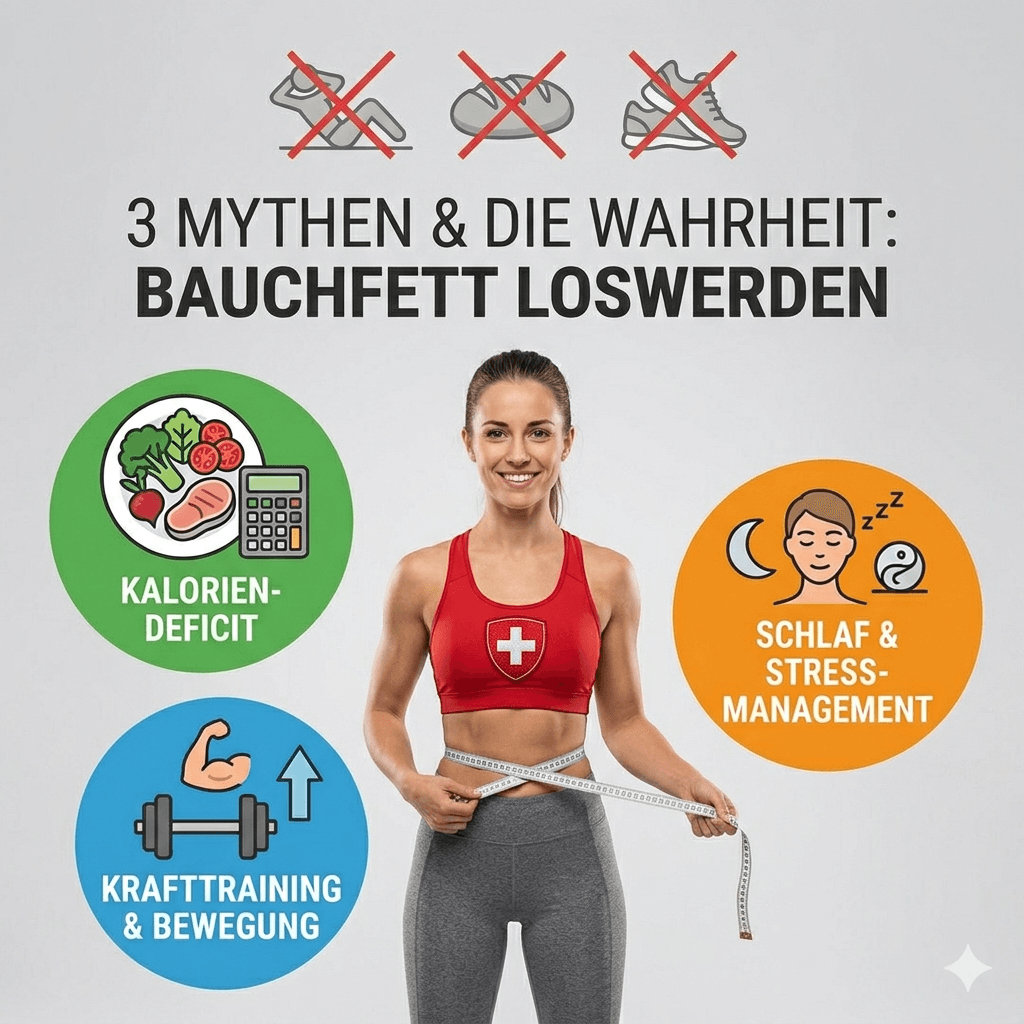
Hundreds of crunches a day do nothing for the little roll around the middle, and no trick does it overnight. What science says about healthy weight loss.
Read more →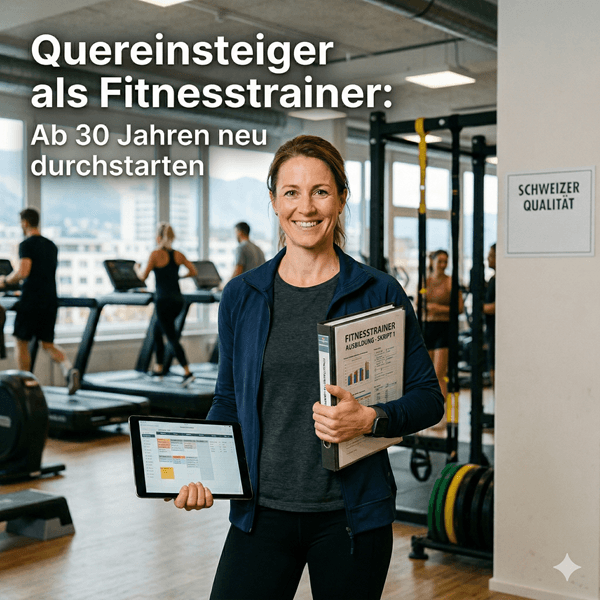
Too old at 30 or 40? The industry is looking for exactly your profile, and your age is an advantage. Which training you need, and what the switch asks.
Read more →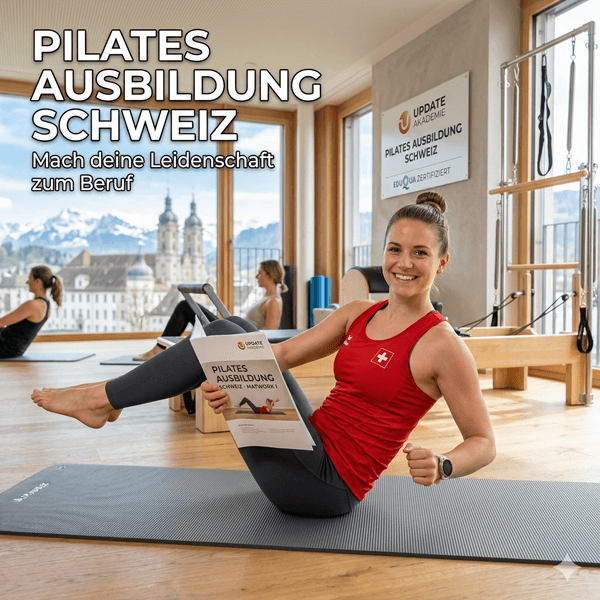
Turn your passion into a profession with a Pilates training in Switzerland! Learn all about the requirements, structure and career opportunities.
Read more →
Demand for qualified professionals keeps growing in Switzerland. Which requirements you need to bring, which training counts and what costs to expect.
Read more →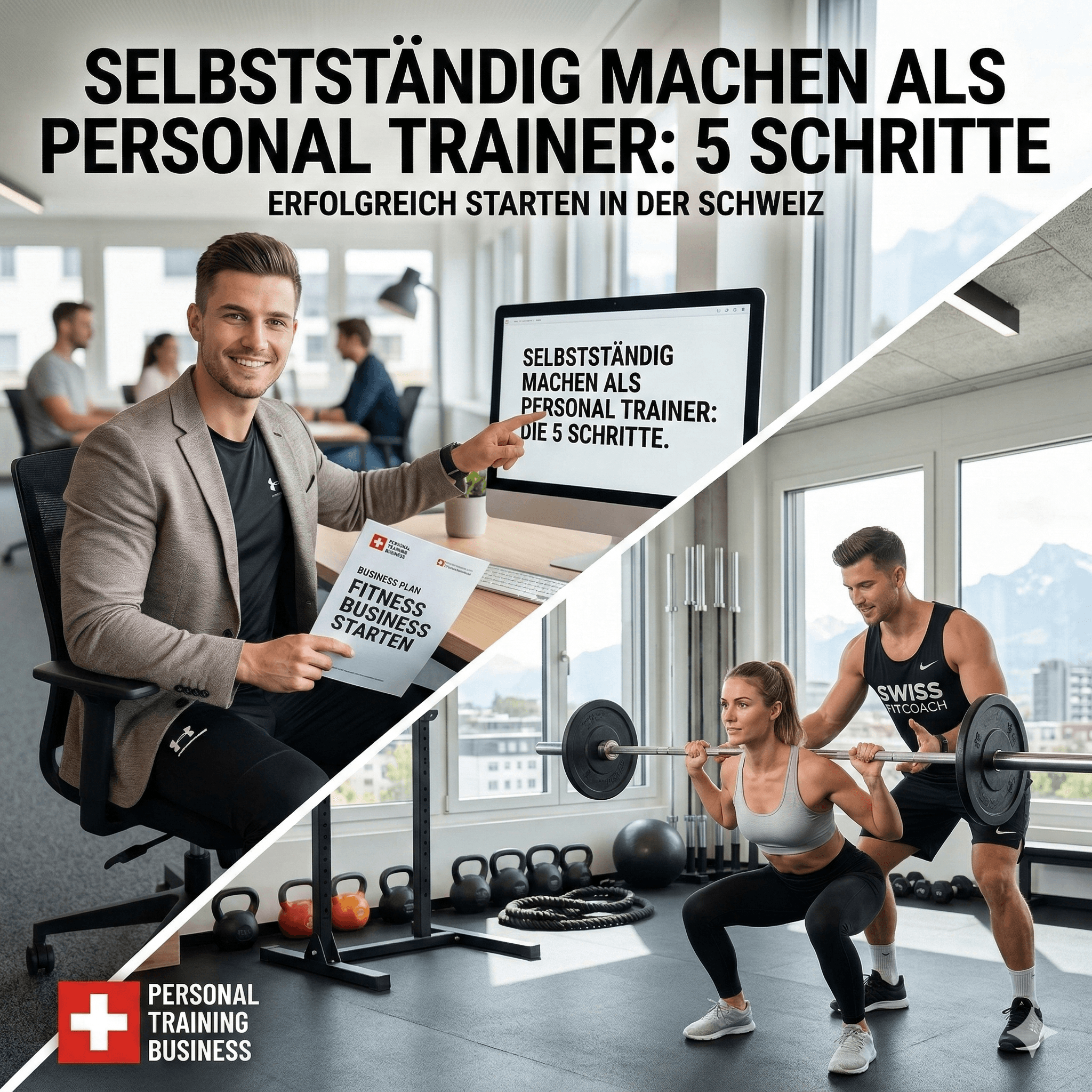
Five essential steps from your licence to your own business, beginning with your niche, in a market with high purchasing power and fierce competition.
Read more →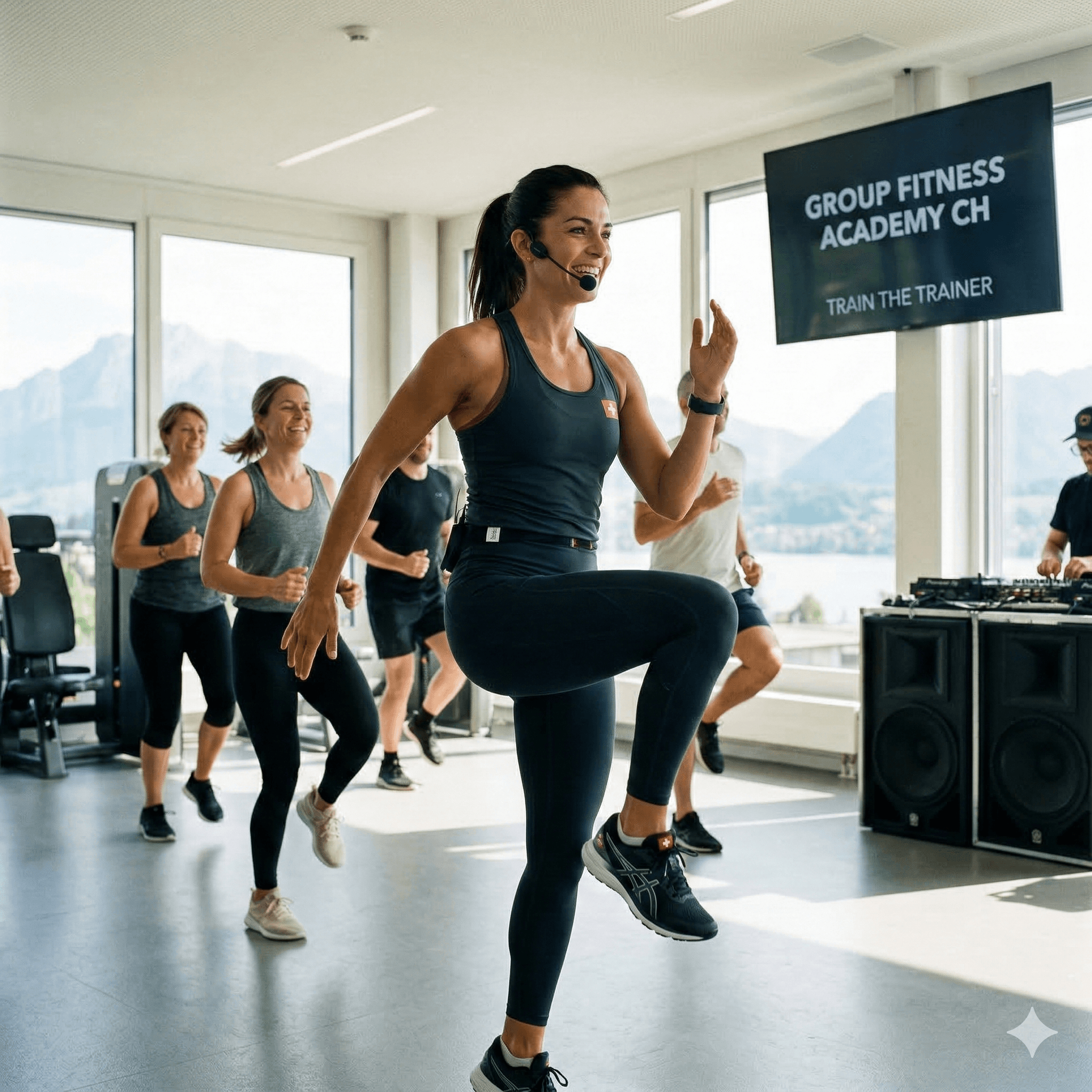
What captivates a class is almost never the choreography, but the person at the front. Which requirements and qualities make the difference up there.
Read more →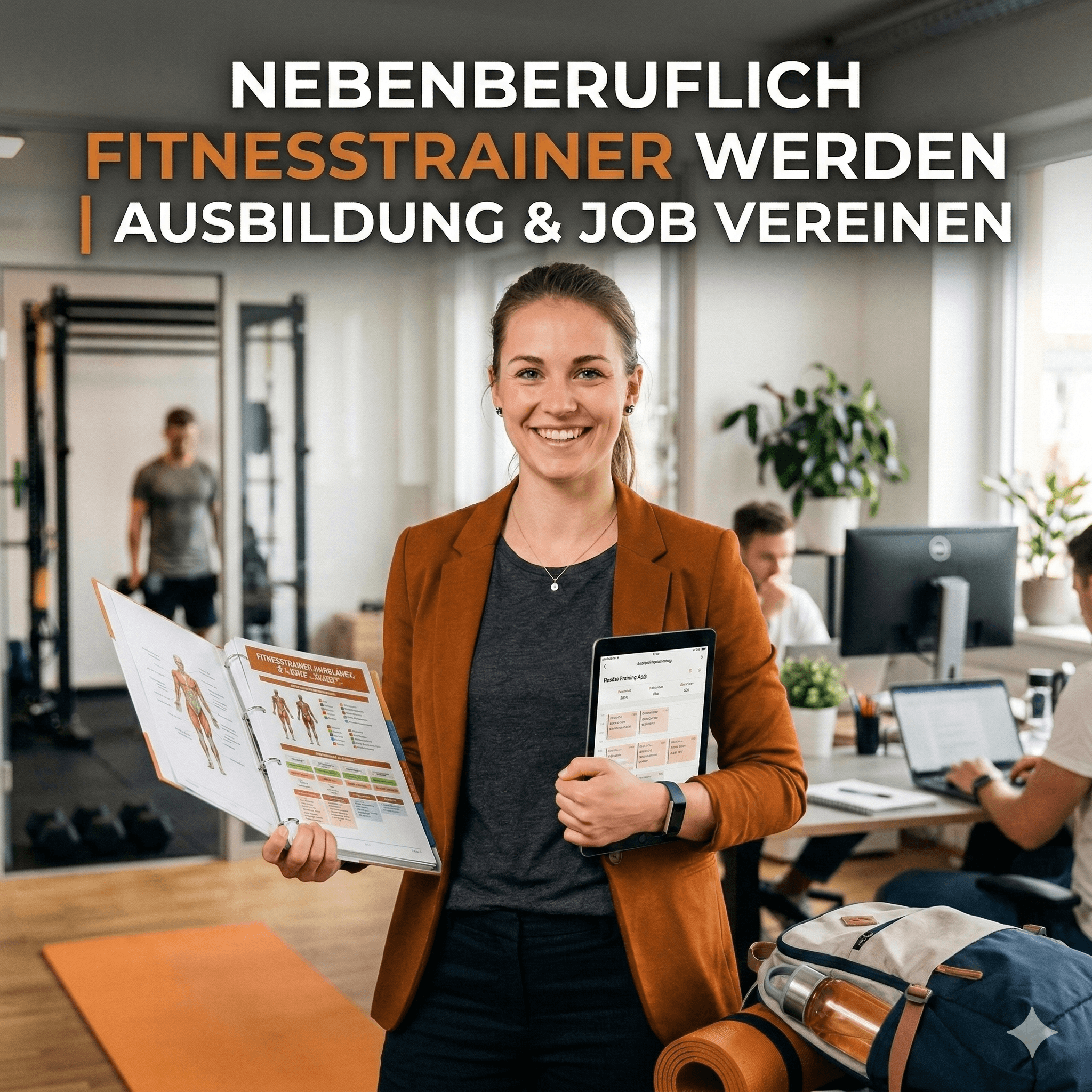
Möchtest du nebenberuflich Fitnesstrainer werden? Erfahre, wie du als Nebengewerbe ein zweites Standbein aufbaust und Ausbildung und Vollzeitjob vereinst.
Read more →
Surgery was long considered almost unavoidable. Studies now describe conditions under which the anterior cruciate ligament shows self-healing potential.
Read more →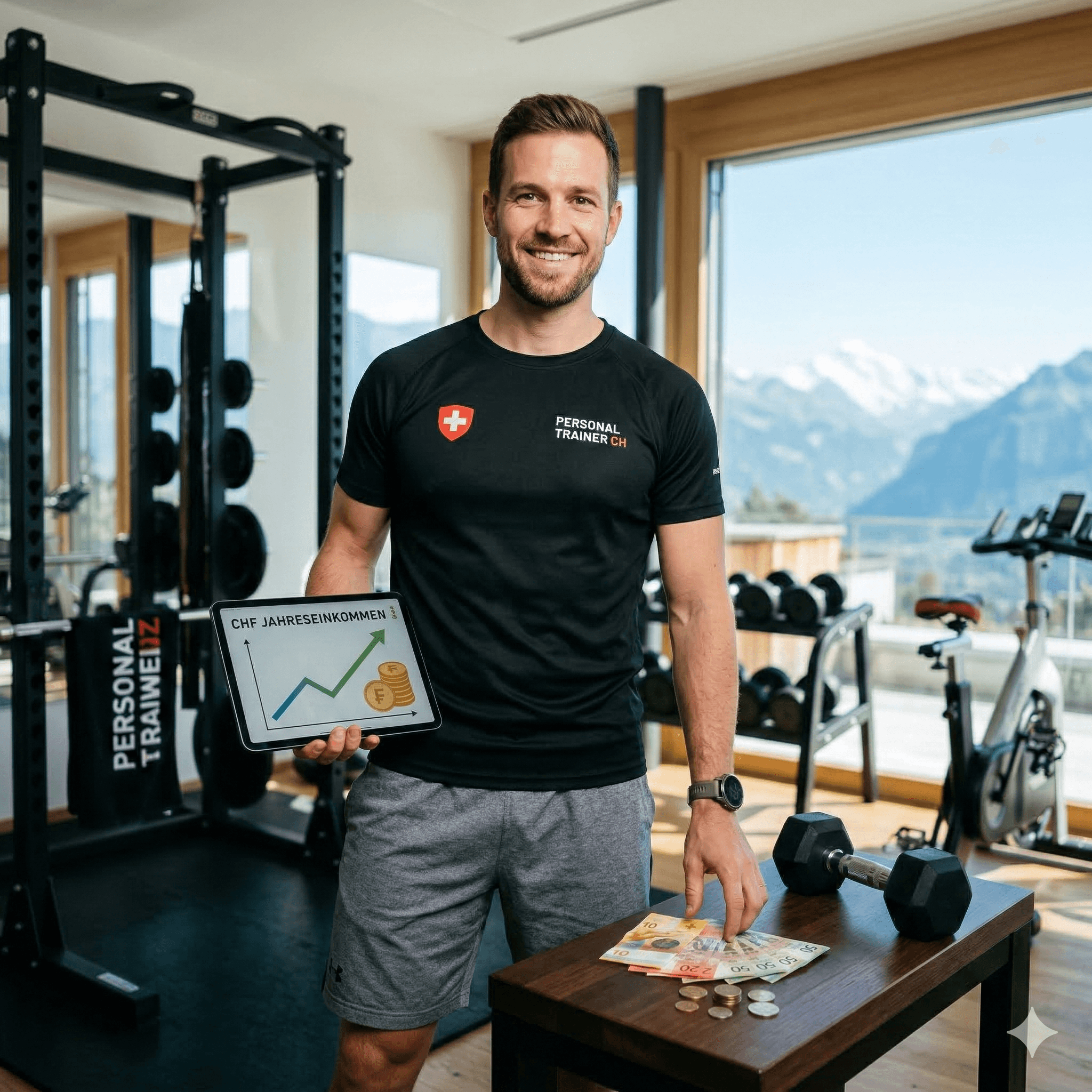
Employed or self-employed makes the biggest difference to your income. Realistic figures on the Personal Trainer salary, and what drives it upwards.
Read more →
Compound exercises involve several joints at once and are often called indispensable. Training physiology shows they help, but are not strictly required.
Read more →
There are 20 proteinogenic amino acids, nine of them essential. What that means for protein powder, BCAAs and the question of whether you need both.
Read more →
Zones based on maximum heart rate work well, but the heart rate reserve goes one step further. How the Karvonen formula makes your intensities personal.
Read more →
Not too easy, not too hard: adaptations depend on how you are loaded, not just how often. How to plan time, intensity and duration deliberately.
Read more →
Interference becomes relevant when one muscle gets intense strength and endurance work within a short time. Why clear training goals matter most here.
Read more →
Not juice cures: in three phases your body recognises, converts, binds and excretes substances. The role of liver and mitochondria, and what supports them.
Read more →
A training stimulus disturbs your homeostasis: stores empty, structures take microscopic damage. Why your body then builds beyond the original level.
Read more →
Agonist, antagonist, synergist: muscles work as a team, never in isolation. How structure, fibre types and contraction shape adaptation to training.
Read more →
Since 2007 it has been clear that working muscle releases messengers into the blood. What myokines do for metabolism, inflammation and the brain.
Read more →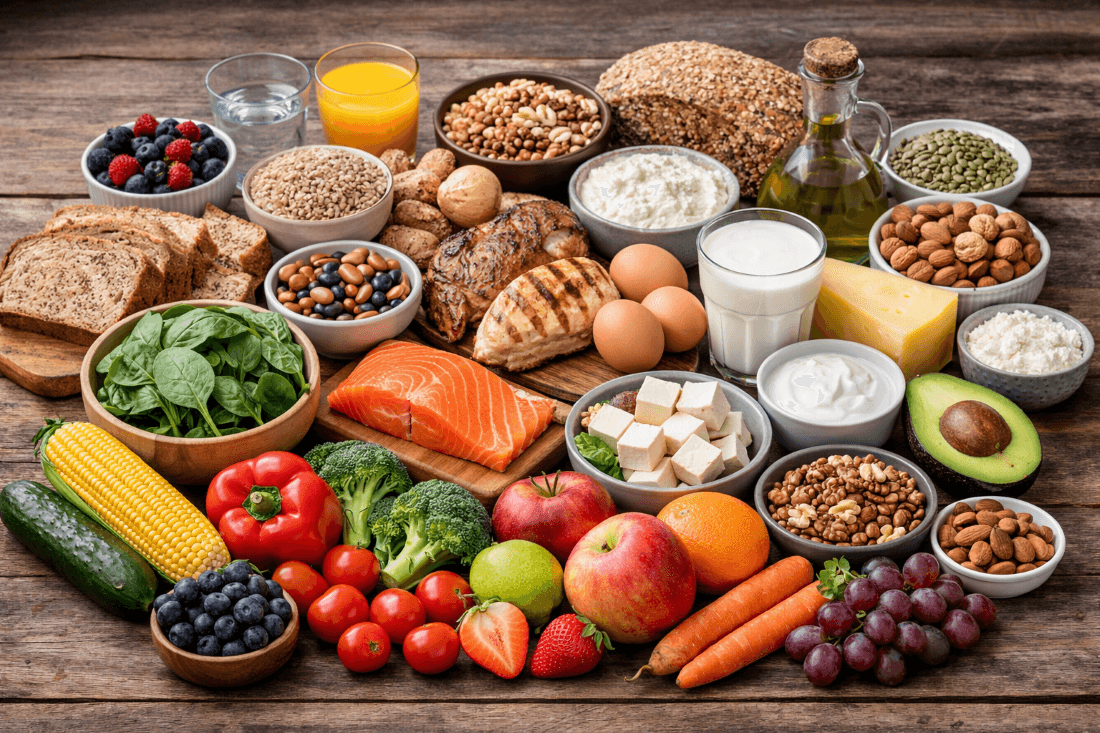
For the first time the focus shifts to unprocessed foods, with less refined sugar, white flour and additives. What the change of course means for Europe.
Read more →