
New Year's resolutions: where they come from and why they often fail in training
People were already making resolutions more than 4000 years ago, with the Babylonians. Why fitness plans nonetheless often last only a few weeks.
Read more →People were already making resolutions more than 4000 years ago, with the Babylonians. Why fitness plans nonetheless often last only a few weeks.
Read more →
Does it stunt growth or harm the joints? Sports science says otherwise when training is age-appropriate, so the question is not whether but how.
Read more →
Whether smartwatch, ring or sleep mat: the devices promise to make your nights visible. What they actually record and how reliable the results are.
Read more →
How does a fitness trainer work day to day? A look behind the scenes reveals: the job is varied, diverse and people-oriented. Discover it now!
Read more →
At the anaerobic threshold your body breaks down as much lactate as it produces, roughly the intensity you can hold for 20 minutes. How to work with it.
Read more →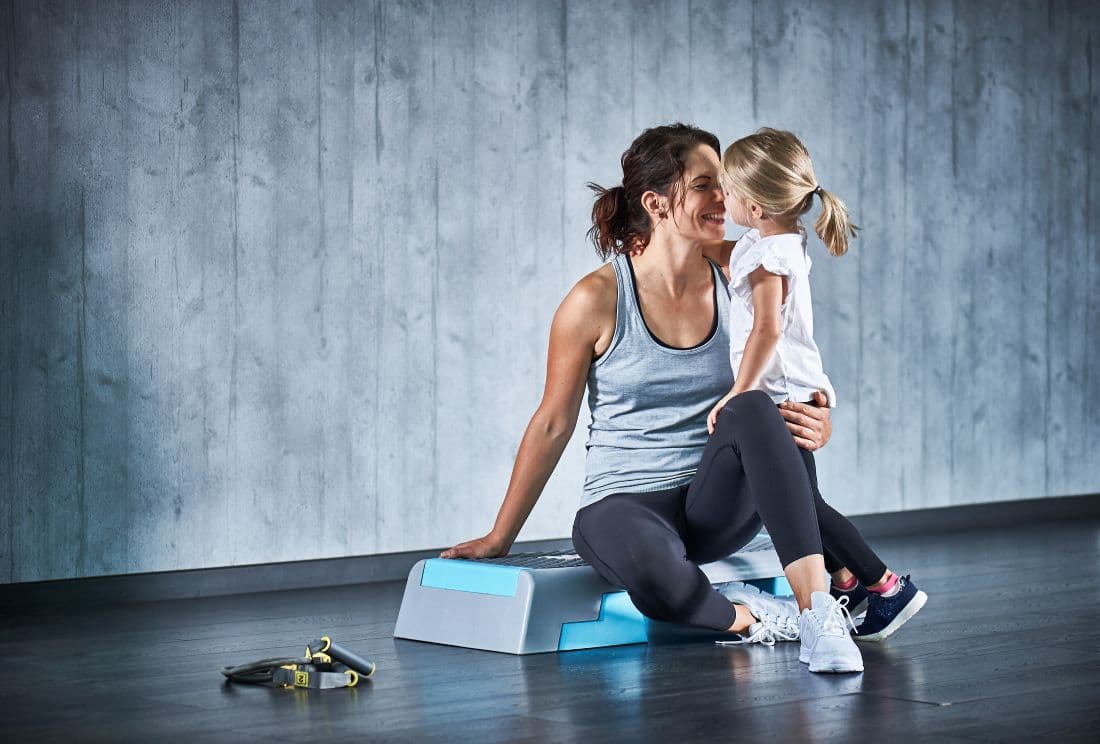
Between sleep phases, work and appointments little room is left. Why training is not selfish, and how many gyms now let you bring your child along.
Read more →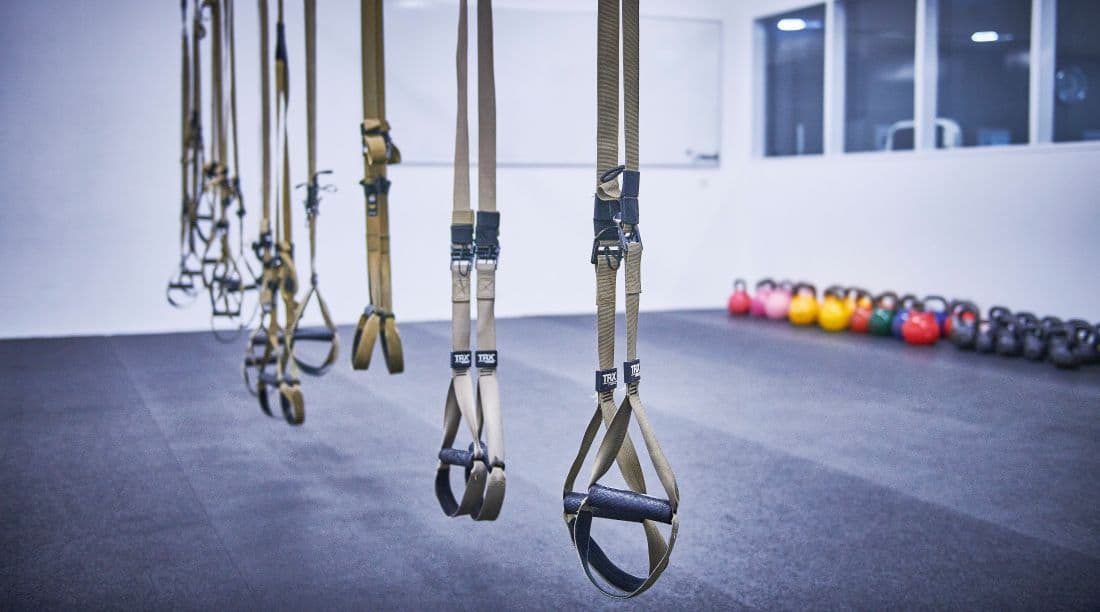
Millions of sensors in muscles, tendons, joints and skin form a body image in your brain. How proprioceptive training sharpens reactions and control.
Read more →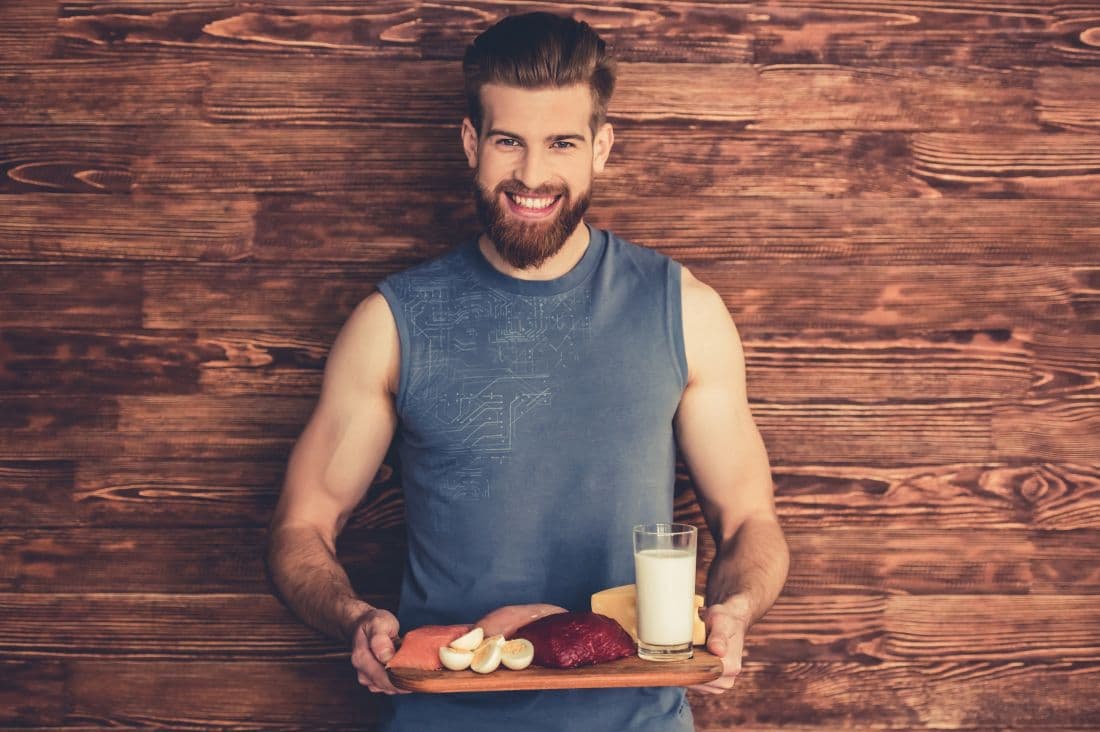
The fat hypothesis goes back to animal experiments on herbivores and shaped guidelines from the 1970s onwards. Today, quality and balance count.
Read more →
Three minutes brisk, three minutes slow, five times over: the method from Shinshu University takes about 30 minutes and lives on changes in intensity.
Read more →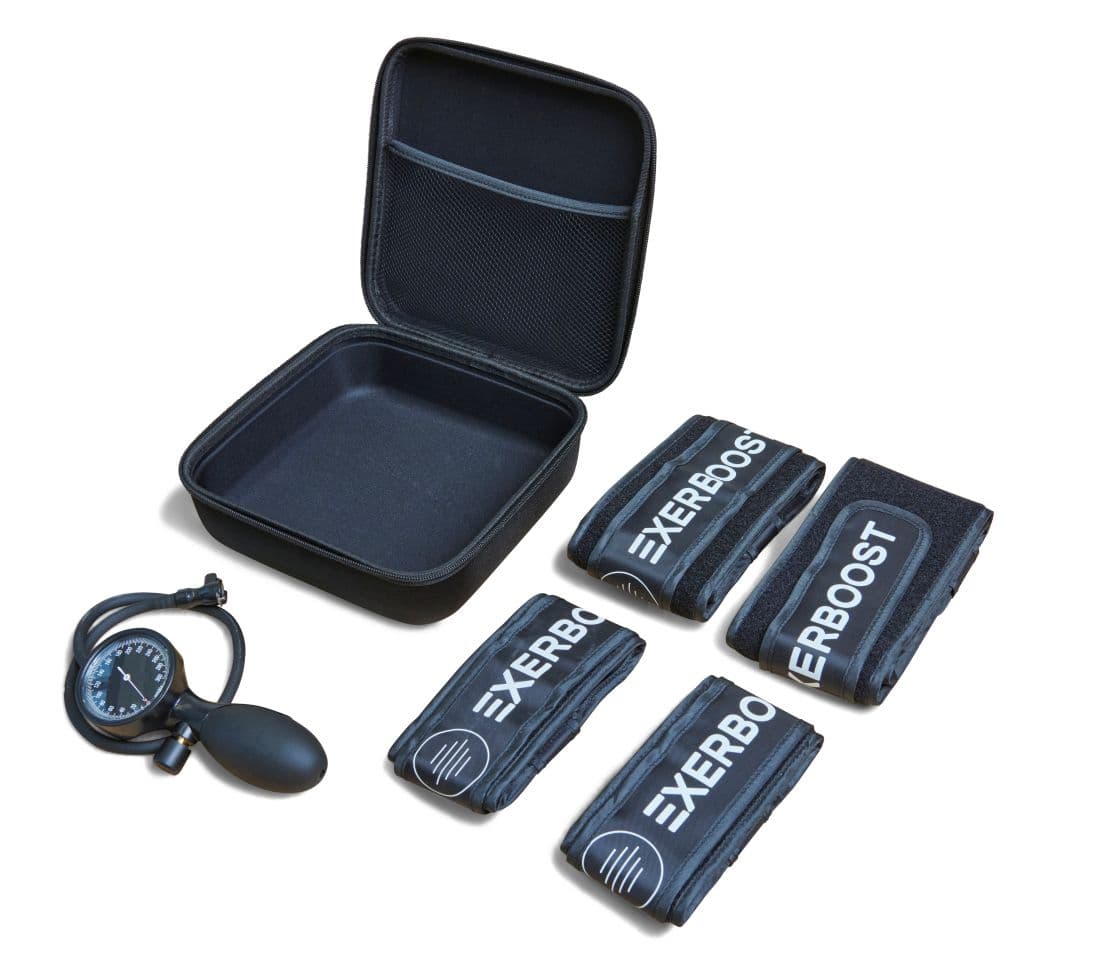
Discover how Blood Flow Restriction Training sets strong muscle stimuli with light weights, challenges the nervous system and preserves strength.
Read more →
Leaving out dairy, gluten, eggs, soy or nuts for a time and reintroducing them step by step: how the observation works and what to watch out for.
Read more →
A few minutes of cycling and some light stretching is not enough: warmth alone does not prepare you for movement complexity, strength or dynamics.
Read more →
Unilaterales Training verbessert Balance, Stabilität & Kraftübertragung. Erfahre, warum einseitiges Training deinem Körper mehr beibringt, als du denkst.
Read more →
Treadmill or fresh air? Cold air challenges the circulation, so what counts is how your body reacts to it, which goal you have and how you prepare.
Read more →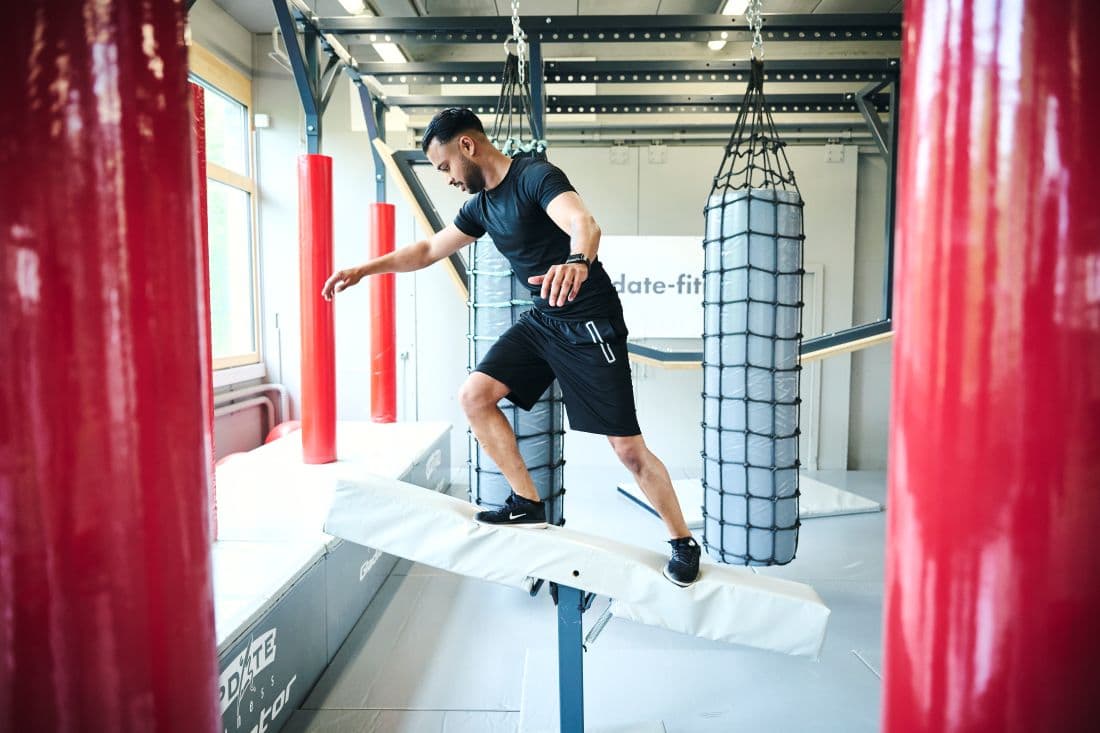
Coordination is more than balance: it is the interplay of senses, nervous system and muscles, and it shows how well your brain plans every movement.
Read more →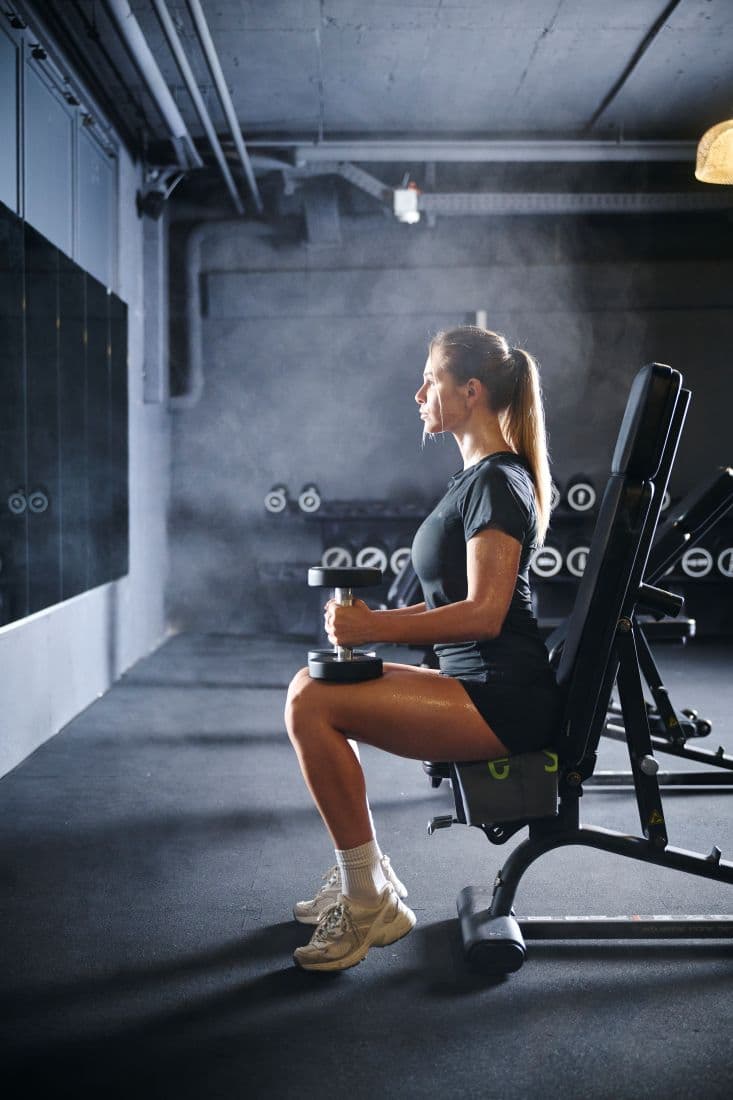
Muscle building never happens overnight, which is why heavy weights will not make you look masculine. What women gain from higher loads instead.
Read more →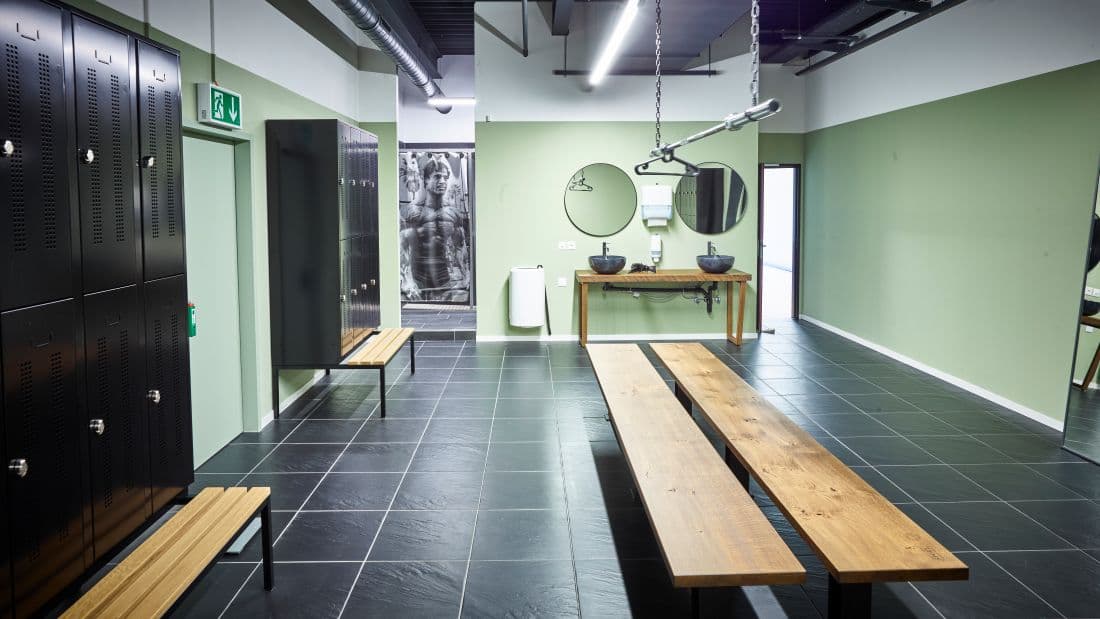
Sweat contains not just water but salts, urea and lactic acid, and it stays warm under sportswear. What that means for skin, circulation and hygiene.
Read more →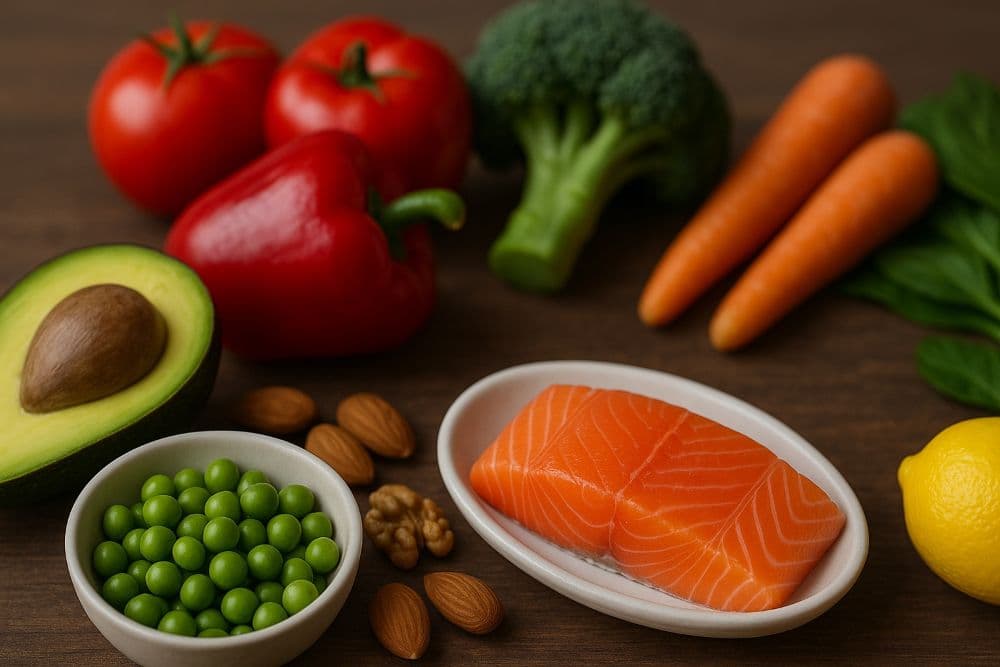
Low Glycemic and Insulinemic: LOGI was developed at Harvard in the early 2000s and aims at fewer blood sugar spikes. Compared with keto, paleo and vegan.
Read more →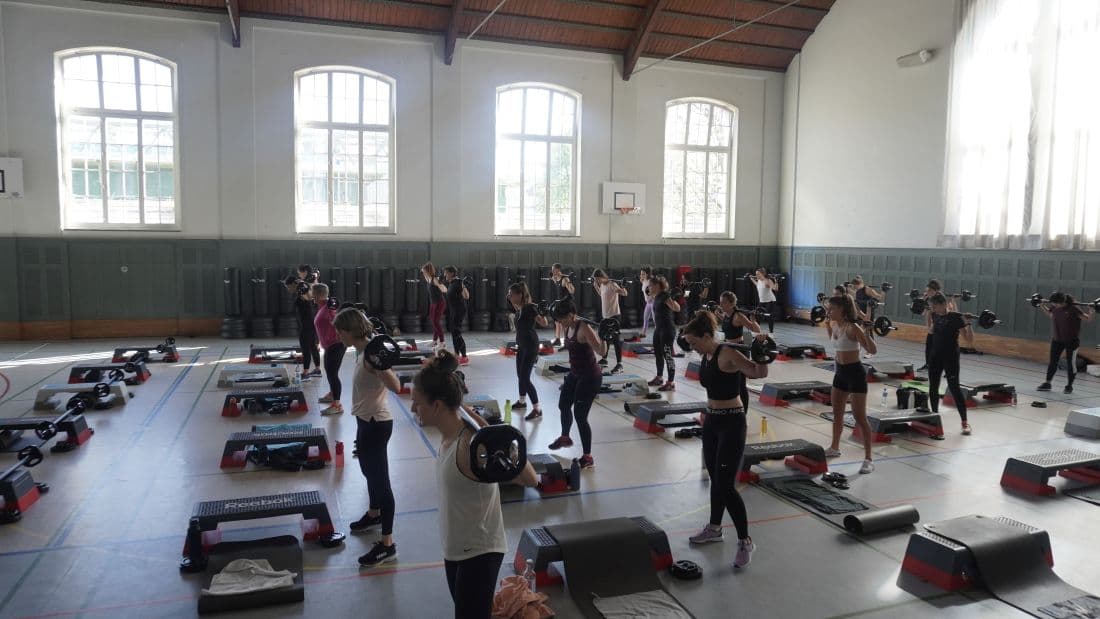
A BodyPump class lasts 45 to 60 minutes and works through tracks with light weights and many repetitions. What that combination trains, and for whom.
Read more →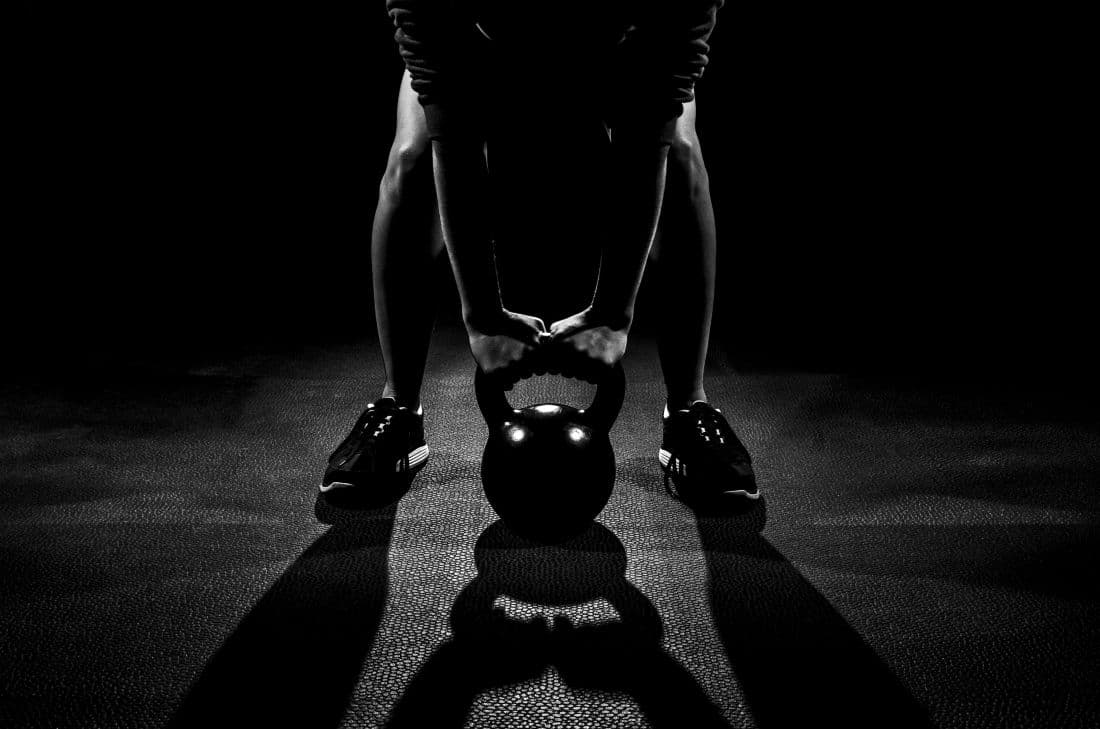
Kettlebells come from Russia and are moved with momentum rather than statically. Why the off-centre weight trains strength, coordination and mobility.
Read more →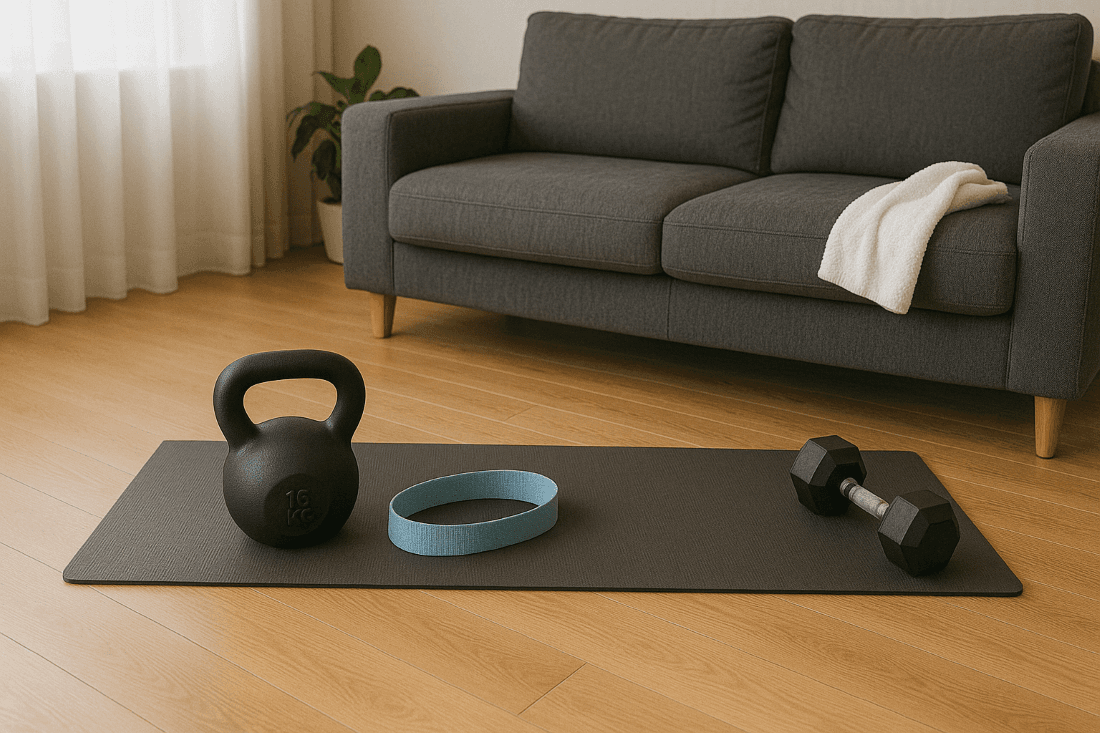
No large equipment needed: which exercises carry you at home, how freely you can choose time and intensity, and why it is not a one-to-one substitute.
Read more →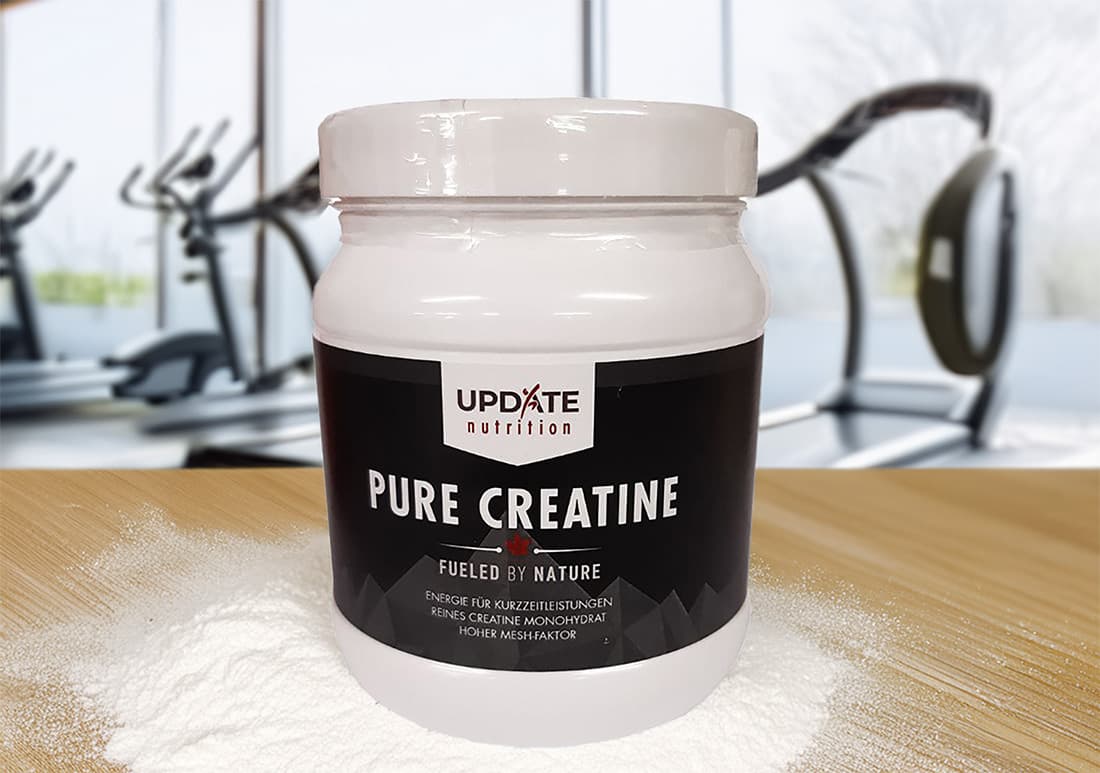
Your body forms about half of its creatine itself, from glycine, arginine and methionine. How creatine phosphate provides energy quickly in the muscle.
Read more →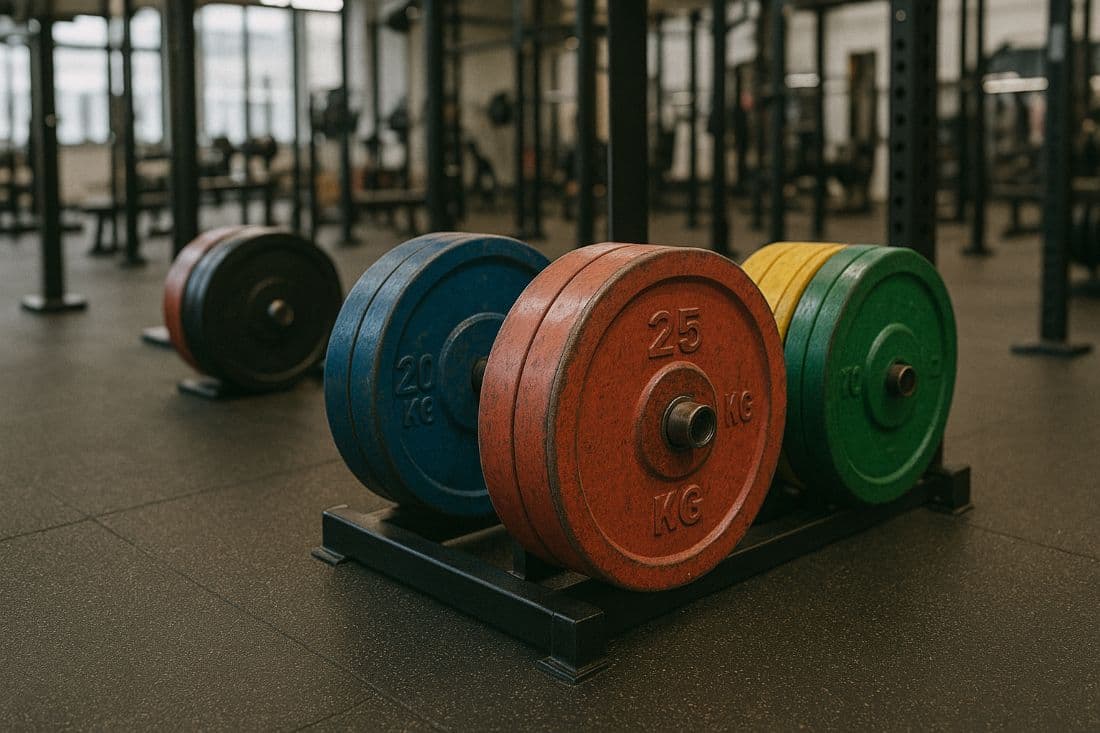
Powerlifting is more than the deadlift: squat, bench press and deadlift count together, and the sport differs clearly from Olympic weightlifting.
Read more →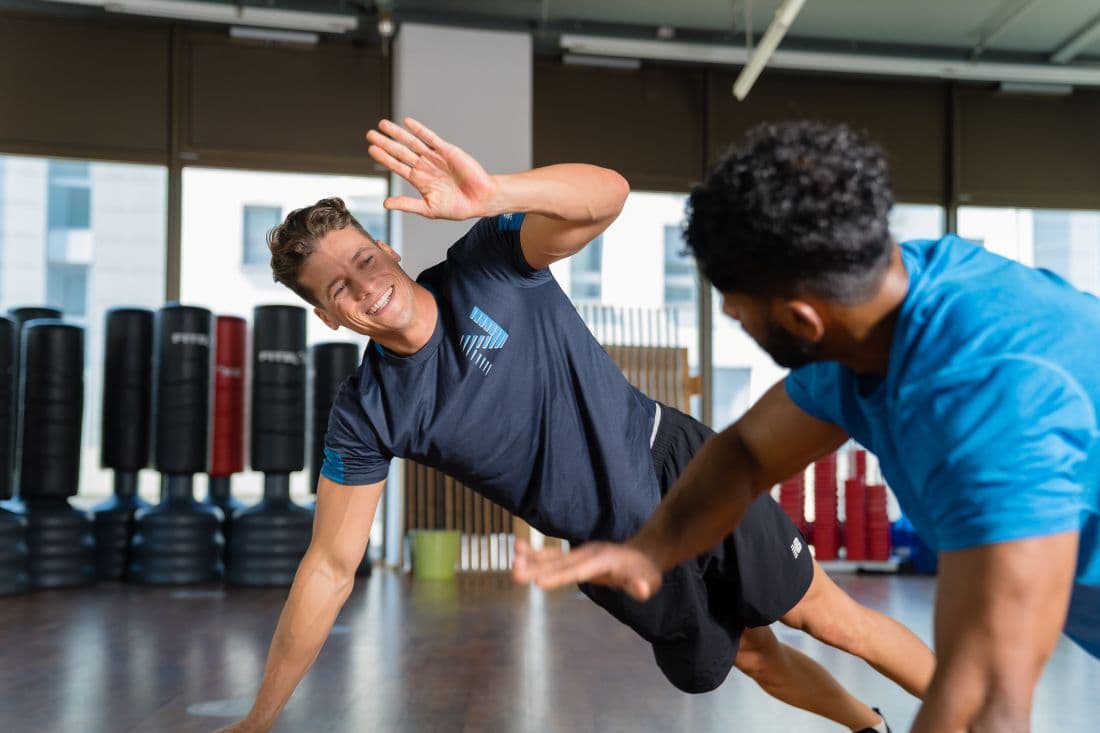
Studies show people with fixed appointments cancel far less often. What training in pairs brings, in the gym, outdoors or online, and when it does not.
Read more →