
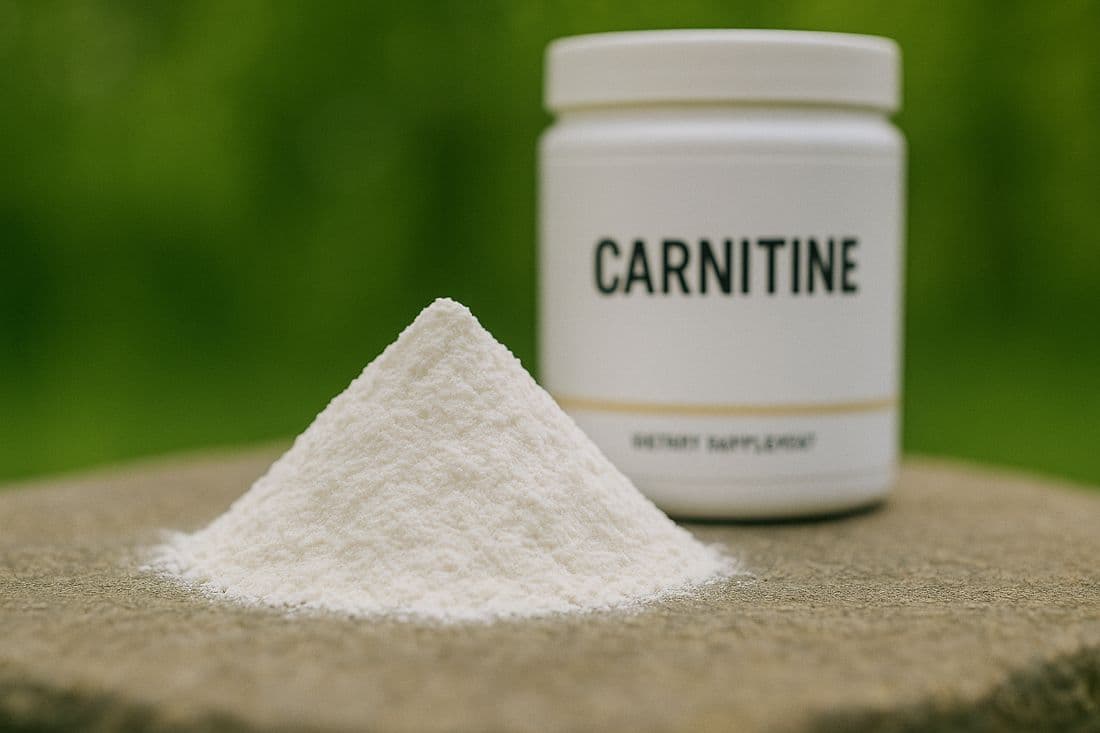
Carnitine – what's behind the power molecule?
Your body forms carnitine from lysine and methionine and takes in the rest through meat, fish and dairy. How it moves fatty acids into the mitochondria.
Read more →Your body forms carnitine from lysine and methionine and takes in the rest through meat, fish and dairy. How it moves fatty acids into the mitochondria.
Read more →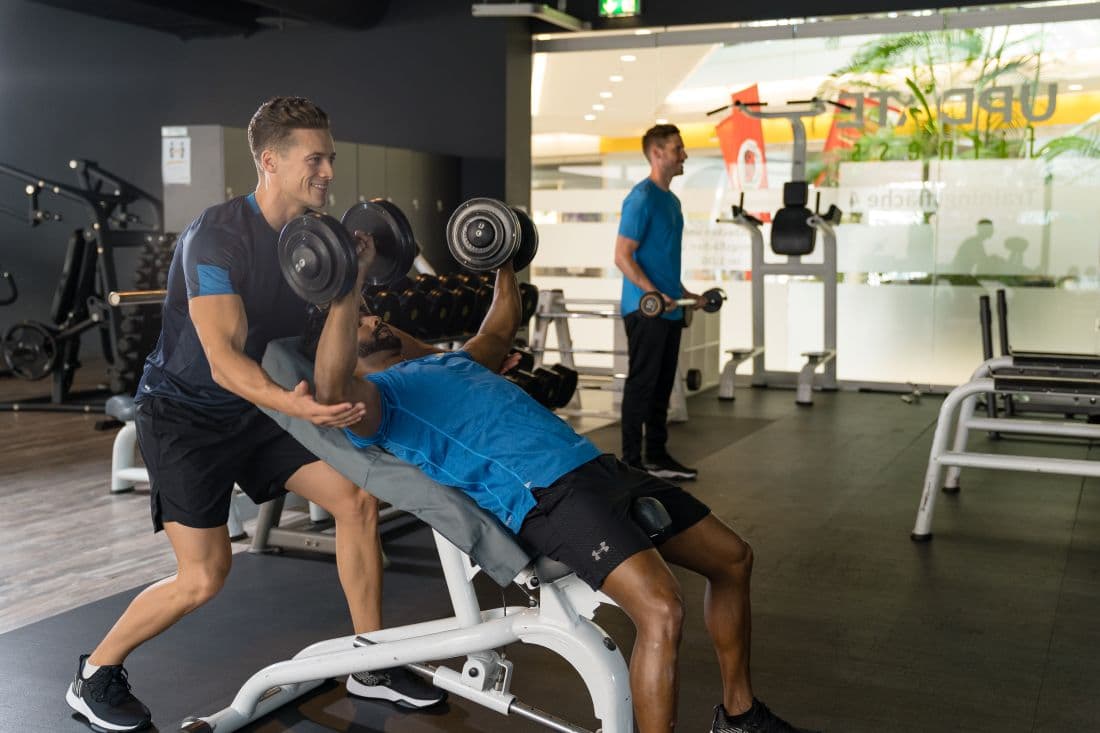
Why a spotter matters with the bench press, squats and shoulder press, what technique and attention it takes, and where spotting is not needed.
Read more →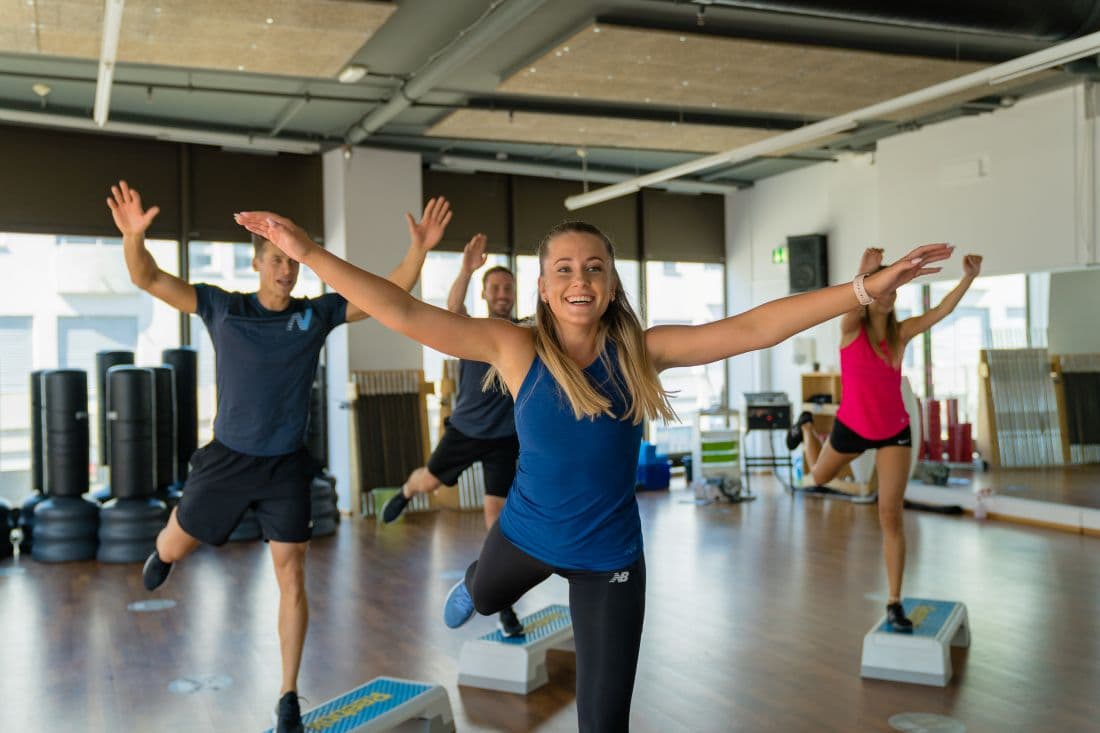
Zumba, HIIT or bootcamp in a group, or training on your own at the gym: what each form gives you, and why the answer depends on your personality.
Read more →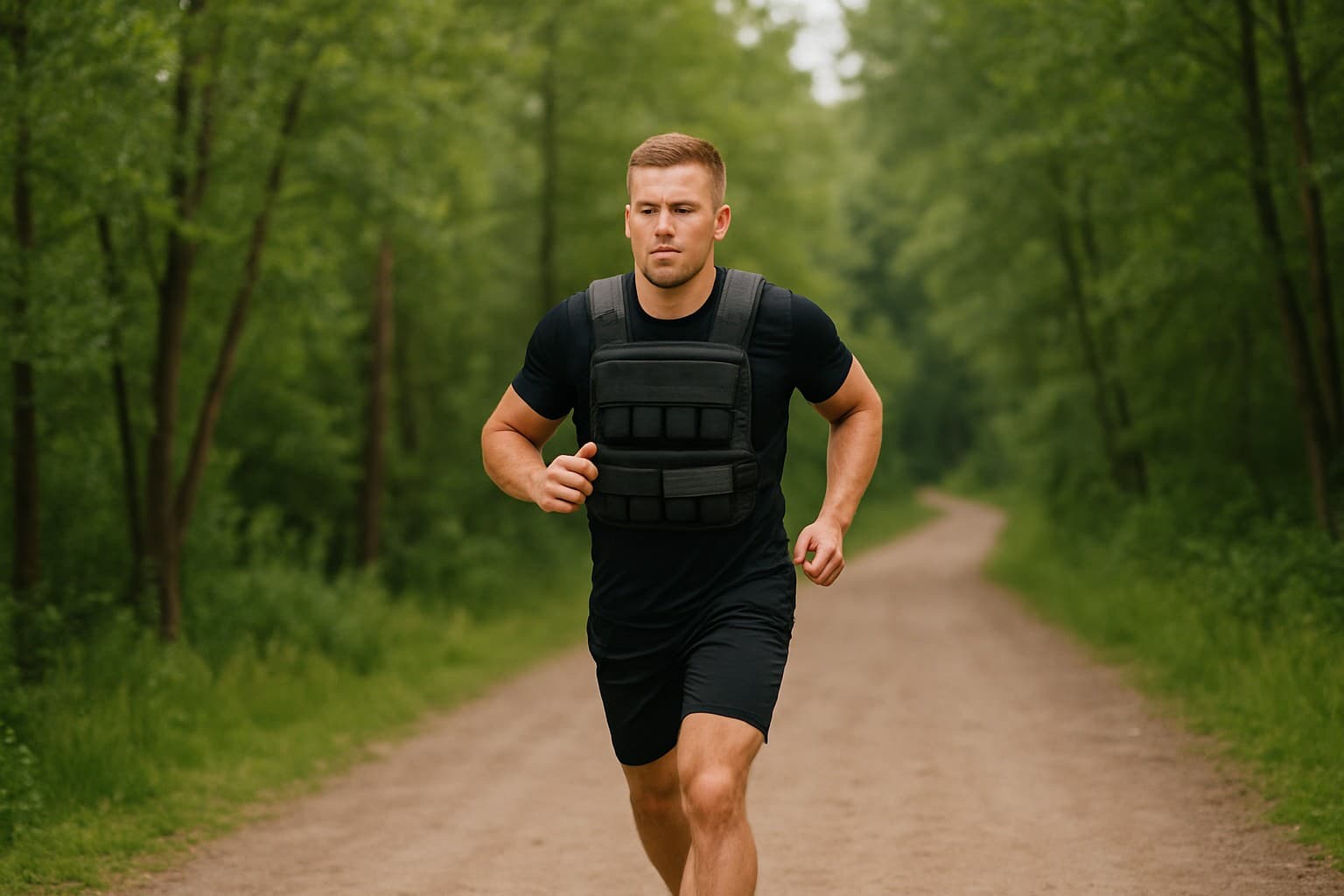
Weighted vest training is trending on social media: where the vest comes from in athletic training and rehab, when it helps and how to start safely.
Read more →
Short on time for sport? How short but targeted sessions still bring progress, which training methods suit them best and what the studies show.
Read more →
Henneman's size principle: your nervous system calls up small motor units first. What that means for maximum strength and for building muscle.
Read more →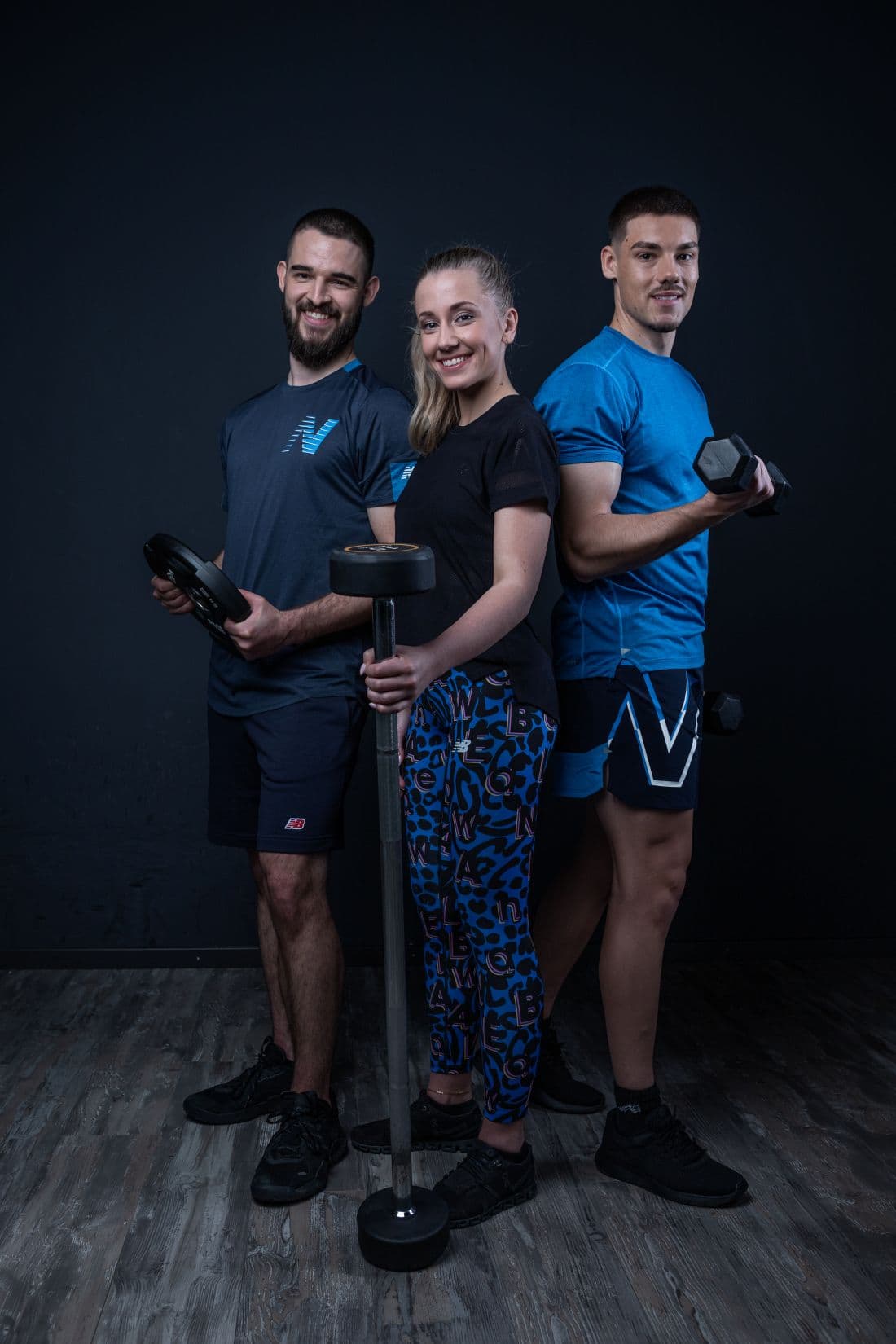
The rules that let everyone train without feeling disturbed or hindered: hygiene and dress code, plus the less obvious points, with clear examples.
Read more →
The pathways run in parallel rather than switching on and off, and their shares shift with the load. Explained with a campfire and examples from sport.
Read more →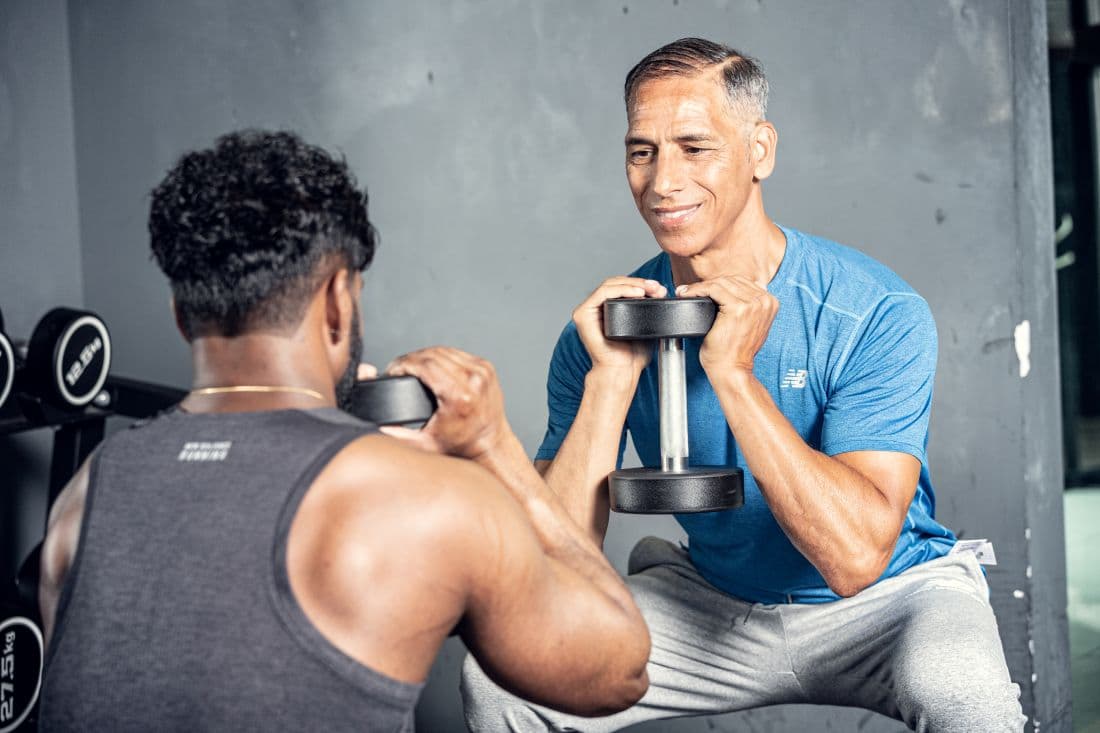
Want to reach your fitness goals and enjoy your social life? Learn how to bring both into balance – without renunciation and constant pressure.
Read more →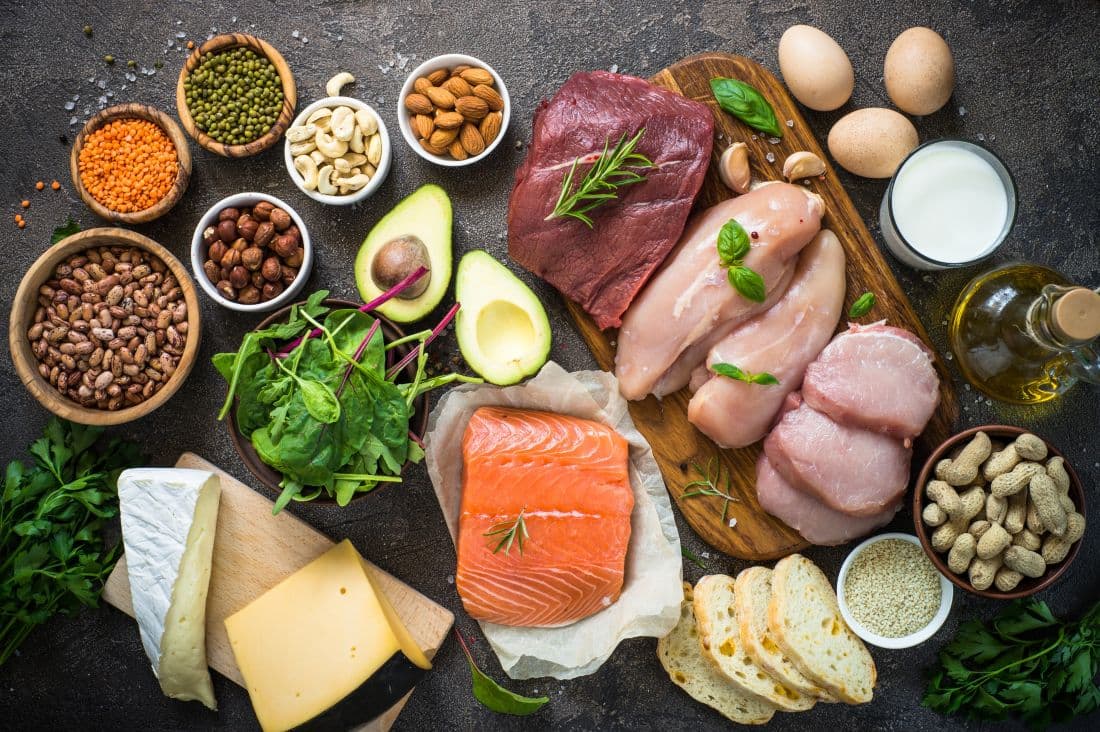
Two things decide it: an amino acid profile with all the essential building blocks, and a form your body can actually use. How quality is measured.
Read more →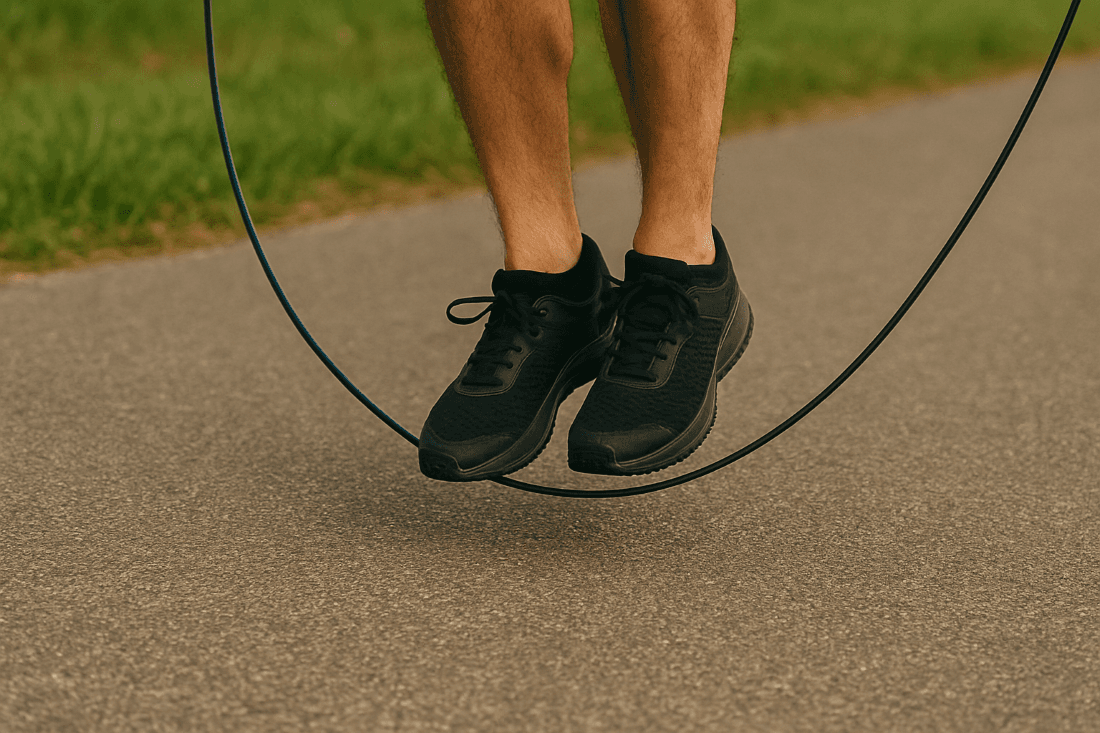
A few minutes a day are enough to work your cardiovascular system and your coordination, and you need hardly any space. What happens as you jump.
Read more →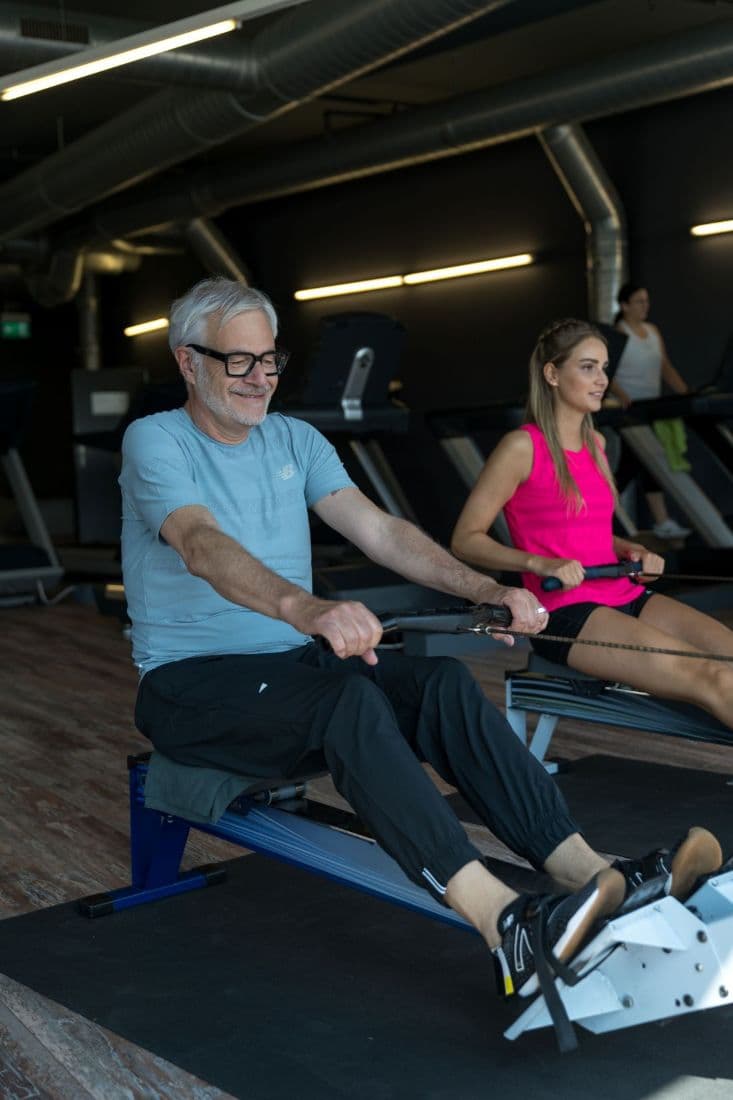
From around the age of 30 you lose 0.5 to 1 per cent of muscle mass a year. Weaker grip, harder stairs: a gradual process that can be slowed down.
Read more →
Not one structure but a network of brain regions, among them hippocampus and amygdala. Why it decides whether you feel motivated or go into alert mode.
Read more →
Comparing yourself at the gym or on social media, and expecting perfection: where the pressure comes from, and how your goals stay motivating instead.
Read more →
Lifestyle interventions are more than prevention – they can actively change health. Read here what lies behind them and what the research shows.
Read more →
There is no universal answer: hormones peak at certain times, yet biorhythm, job and daily routine count just as much. How to find your own slot.
Read more →
Fresh air, daylight and natural stimuli affect motivation as well as the body, and training outside makes different demands on planning and execution.
Read more →
Bones are living tissue: osteoclasts break down old substance, osteoblasts build new, and both need mechanical stimuli. On frequency and recovery.
Read more →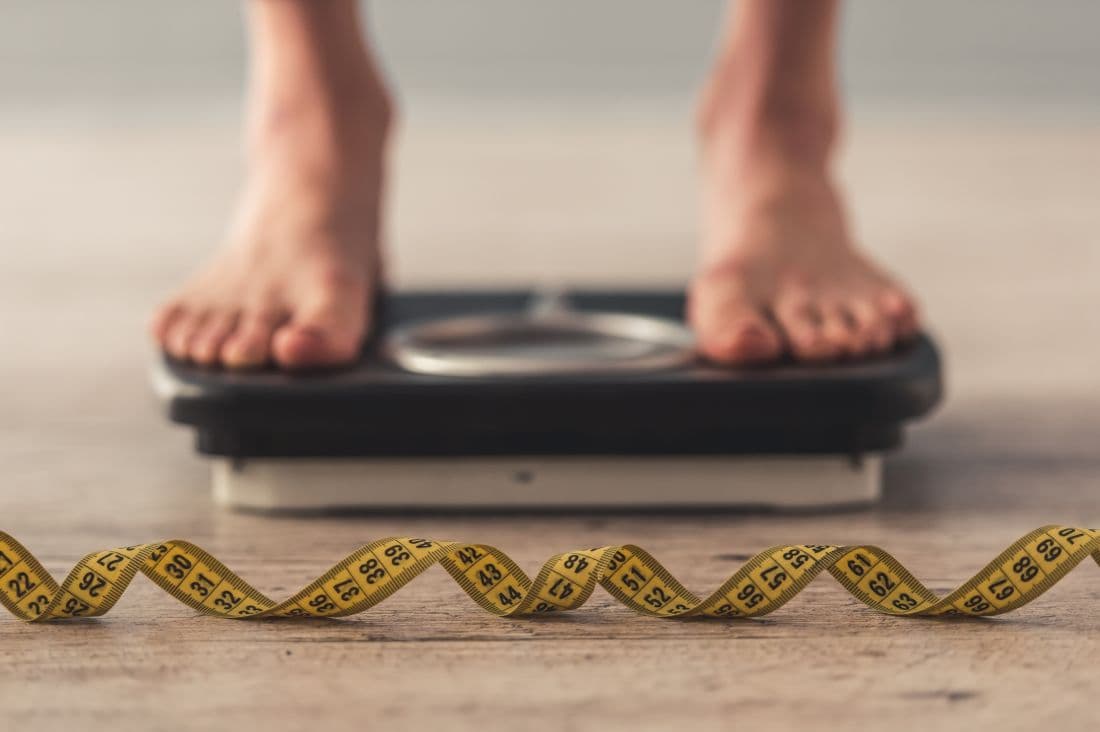
A plateau is normal: fat loss and water retention can balance out, and hormones shift the number. Why you should not change everything at once now.
Read more →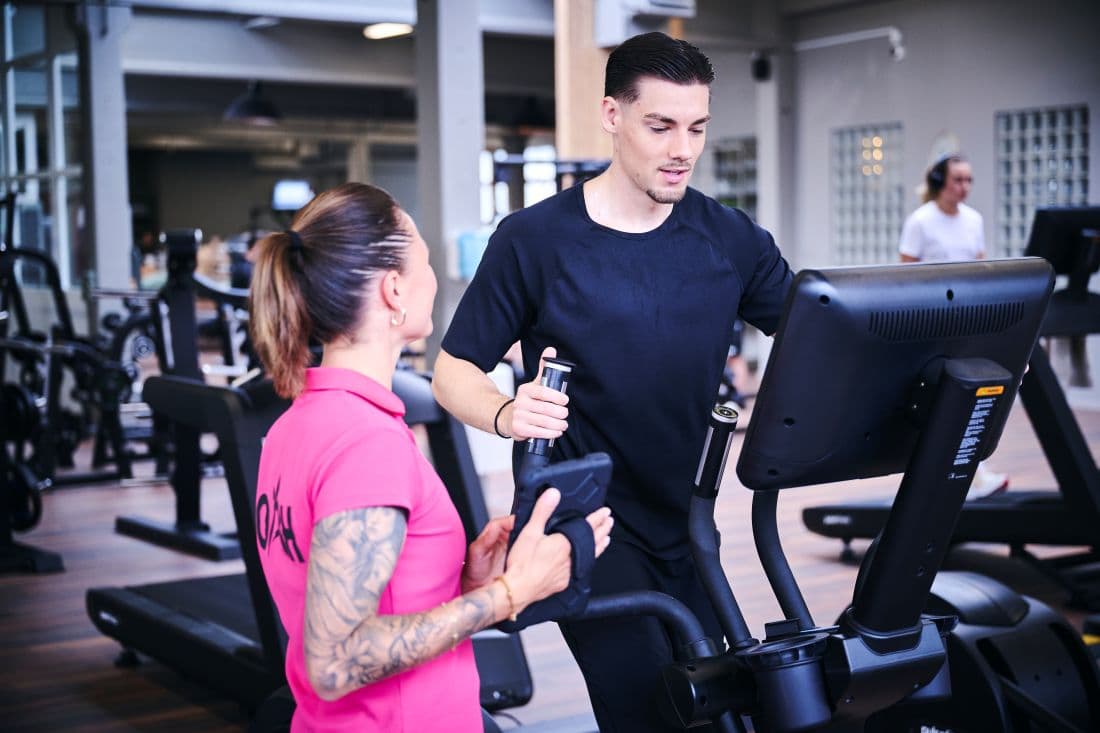
At 60 beats a minute the gap between two beats varies between 0.9 and 1.1 seconds. What these fine fluctuations say about your autonomic nervous system.
Read more →
Short sessions and small movement impulses already stabilise your energy and counter muscle loss. Setting priorities without equipment or pressure.
Read more →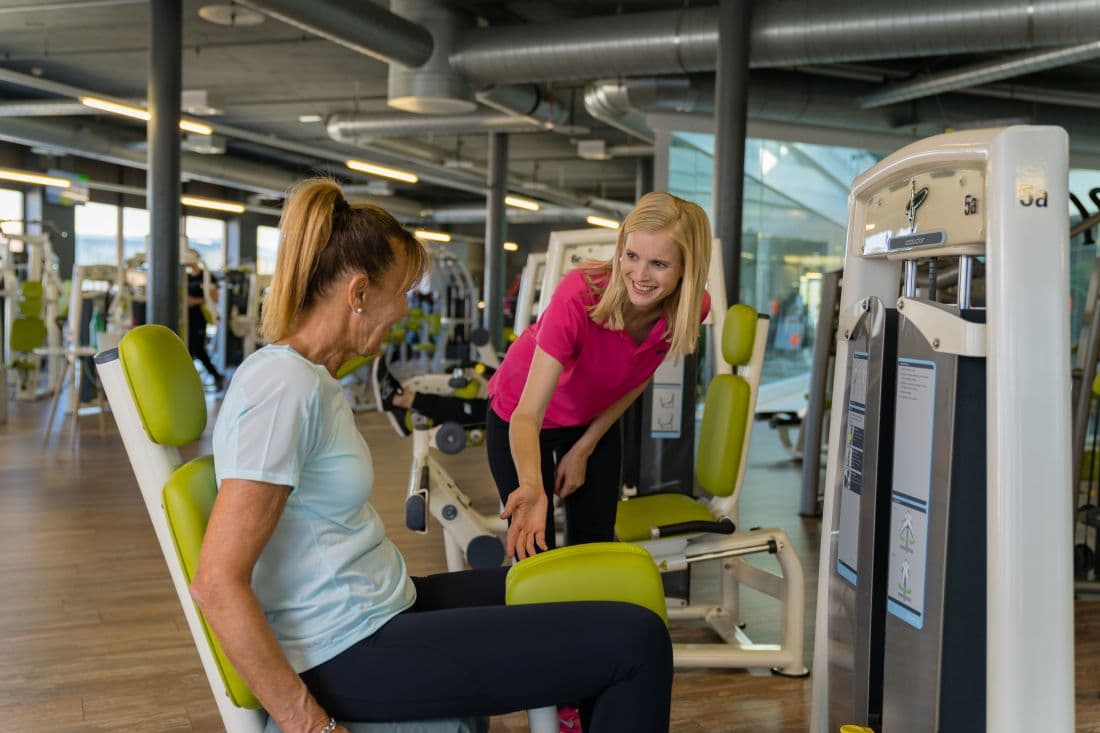
Estrogen levels fall, and with them metabolism, bone density, muscle and sleep can change. How to structure your training sensibly in this phase.
Read more →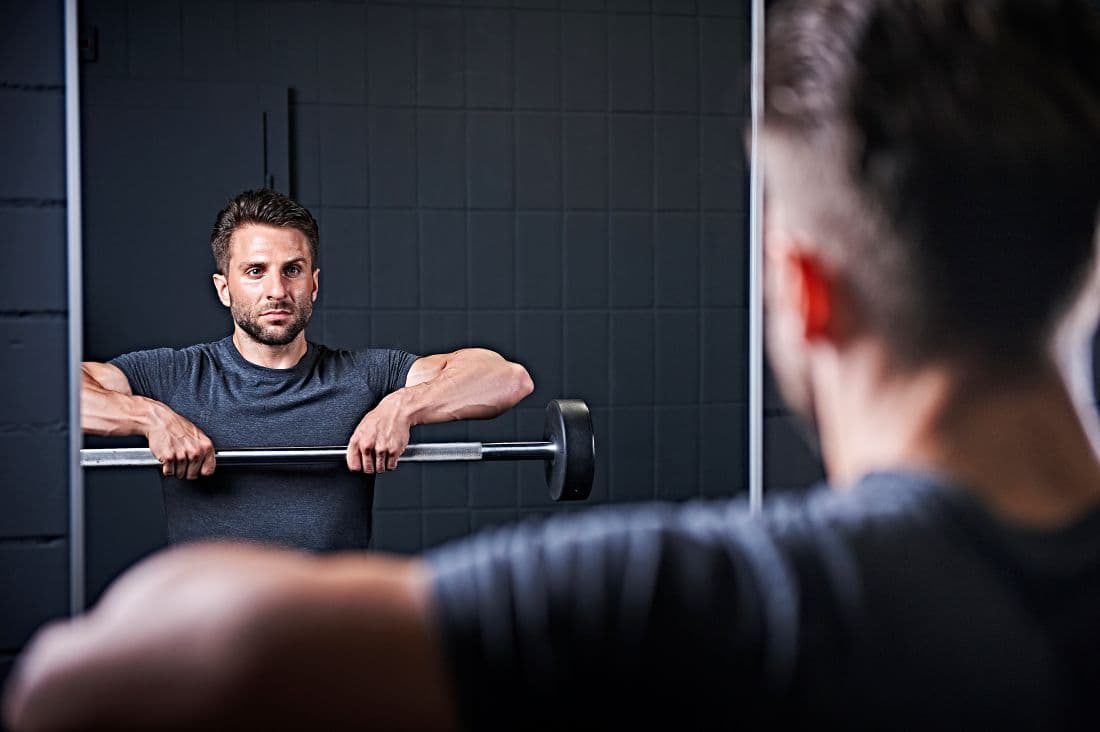
Five widespread claims under scrutiny, from "no pain, no gain" to soreness as a mark of quality. What counts is regular, well-controlled training.
Read more →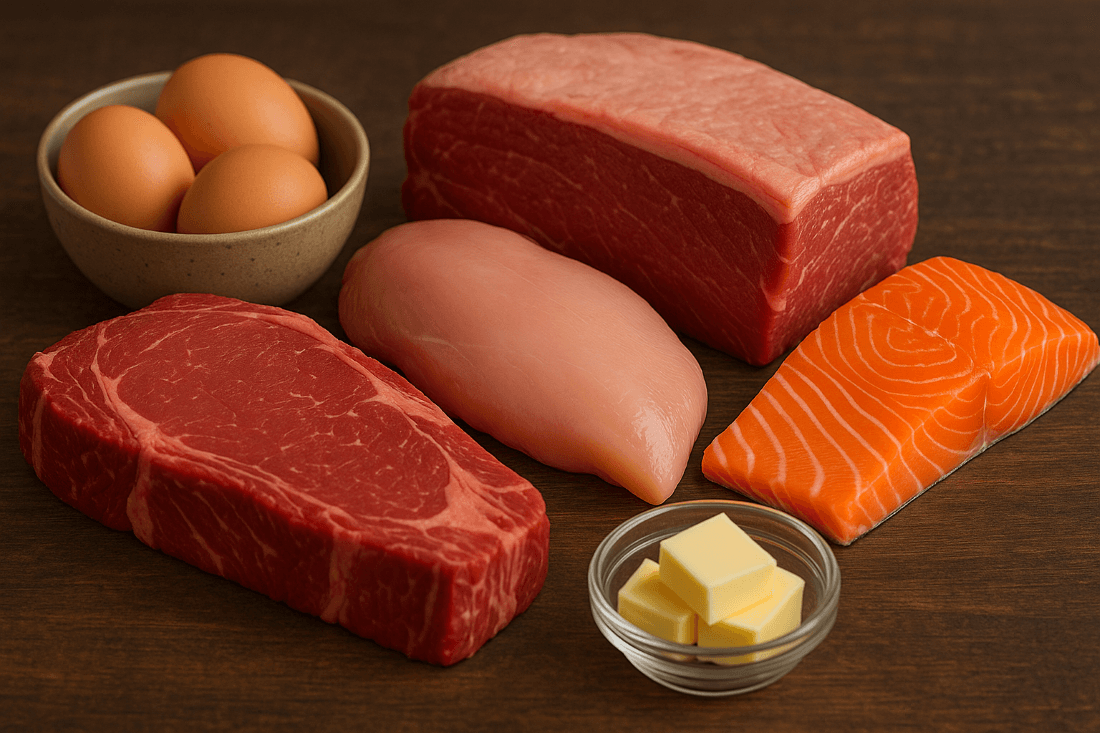
Only animal foods, with vegetables, fruit, nuts and grains fully excluded. What the scientific background says about the effects and about the risks.
Read more →