
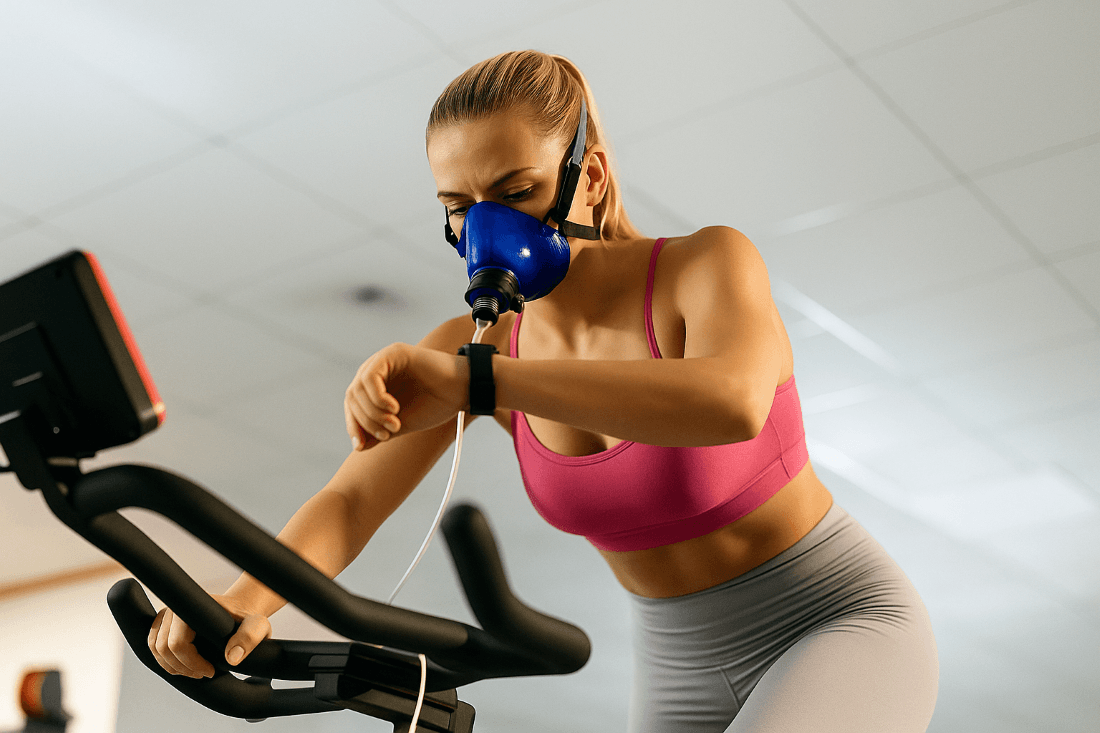
EWOT: training with oxygen – hype or real effect?
Exercise With Oxygen Therapy means breathing 90 to 95 per cent oxygen while training, against about 21 per cent in air. And how it differs from HBOT.
Read more →Exercise With Oxygen Therapy means breathing 90 to 95 per cent oxygen while training, against about 21 per cent in air. And how it differs from HBOT.
Read more →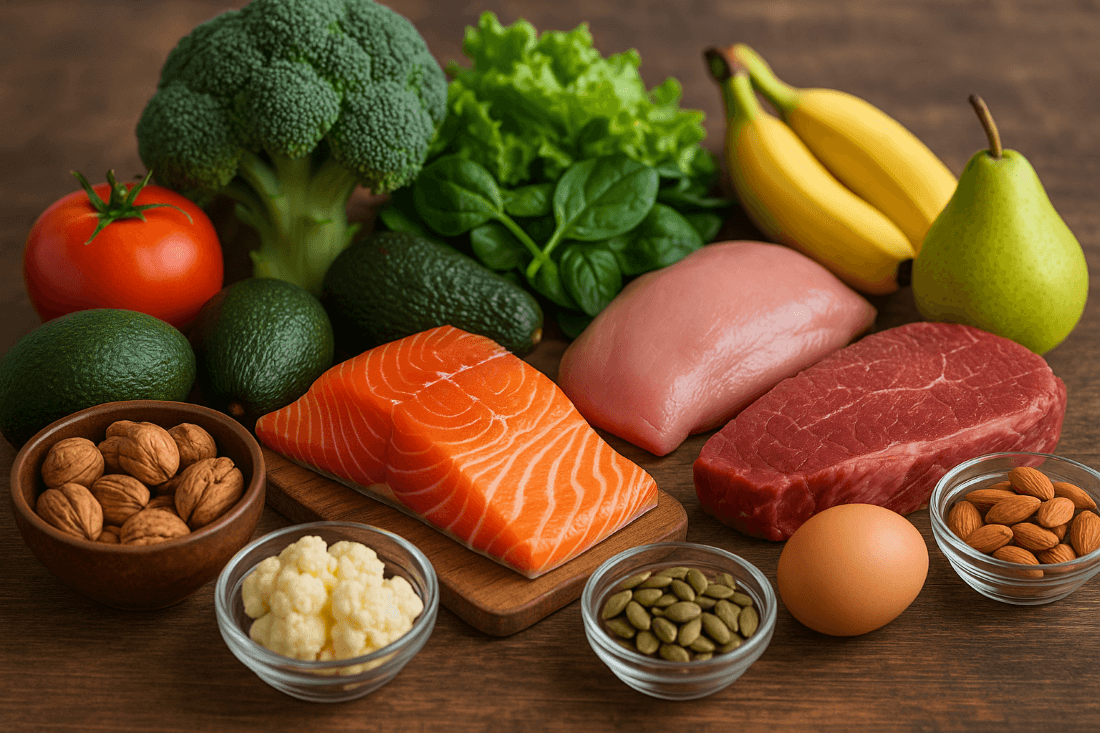
The idea: eat what we are evolutionarily made for. Known since the early 2000s and built on criticism of processed food. Plus the existing variants.
Read more →
In high temperatures your body has to perform and cool itself at once, so your circulation works harder. Tips on drinking, timing and intensity.
Read more →
Your body is about 50 to 60 per cent water, and losing just 2 per cent of body weight already affects performance. How to cover your needs day to day.
Read more →
The WHO recommends at least 150 minutes of moderate movement a week, and many people fall short. Small changes to your daily routine that close the gap.
Read more →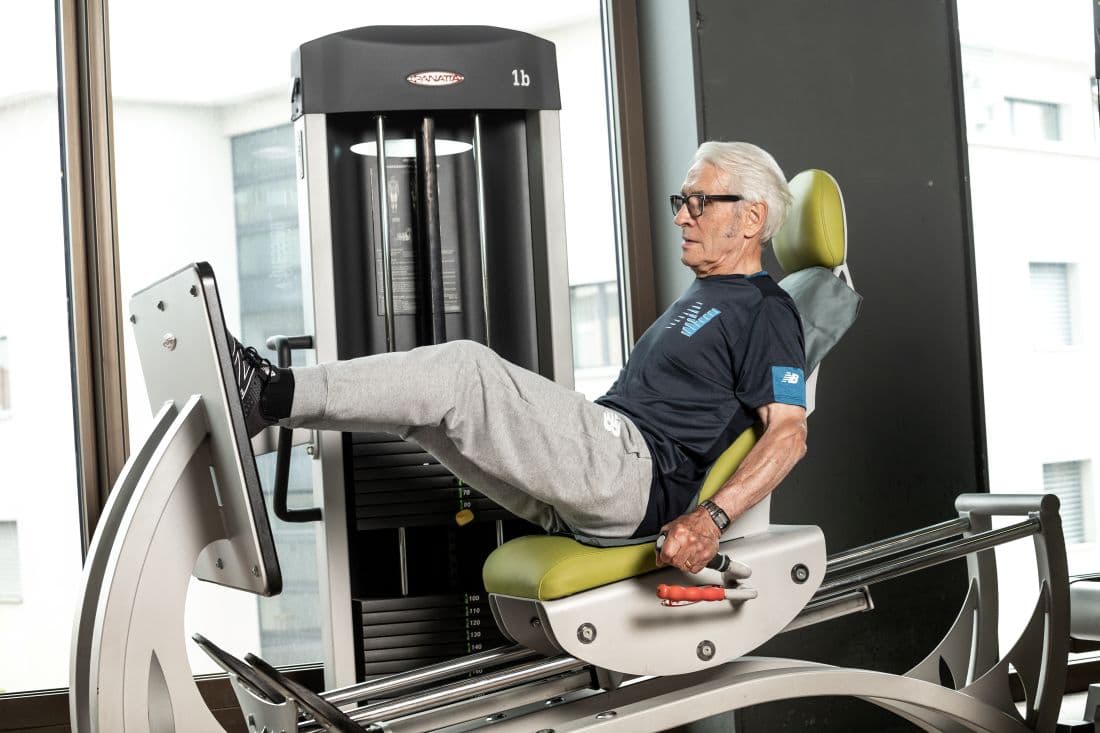
Muscle mass, bone density and balance decline with the years, which raises the risk of falls. What matters in training and how a sensible plan looks.
Read more →
Where do you start, is everyone watching? Most gyms offer a free induction, and a few simple steps make your first session considerably more relaxed.
Read more →
The Mind-Muscle-Connection can improve your strength training. Learn to activate muscles through focus – for more efficiency & muscle growth.
Read more →
Delayed onset muscle soreness, or DOMS, is a complex biological process rather than a mark of quality. What it says about your session, and what not.
Read more →
No progress, no motivation, constant fatigue: sometimes you need less load, not a new plan. What sets a deload apart from simply taking a break.
Read more →
In elite sport it has long been part of the training plan, in tennis, football and athletics. Which techniques also help you as a recreational athlete.
Read more →
What these plant compounds are said to do in the body, which of them are best known, and how they are used day to day without caffeine or sugar.
Read more →
A single repetition can take up to 20 seconds. Ken Hutchins developed the method in the 1980s for rehabilitation. What it delivers and who it suits.
Read more →
Your attitude shapes how you handle setbacks and perceive challenges. What to do when motivation hits rock bottom and training feels like a burden.
Read more →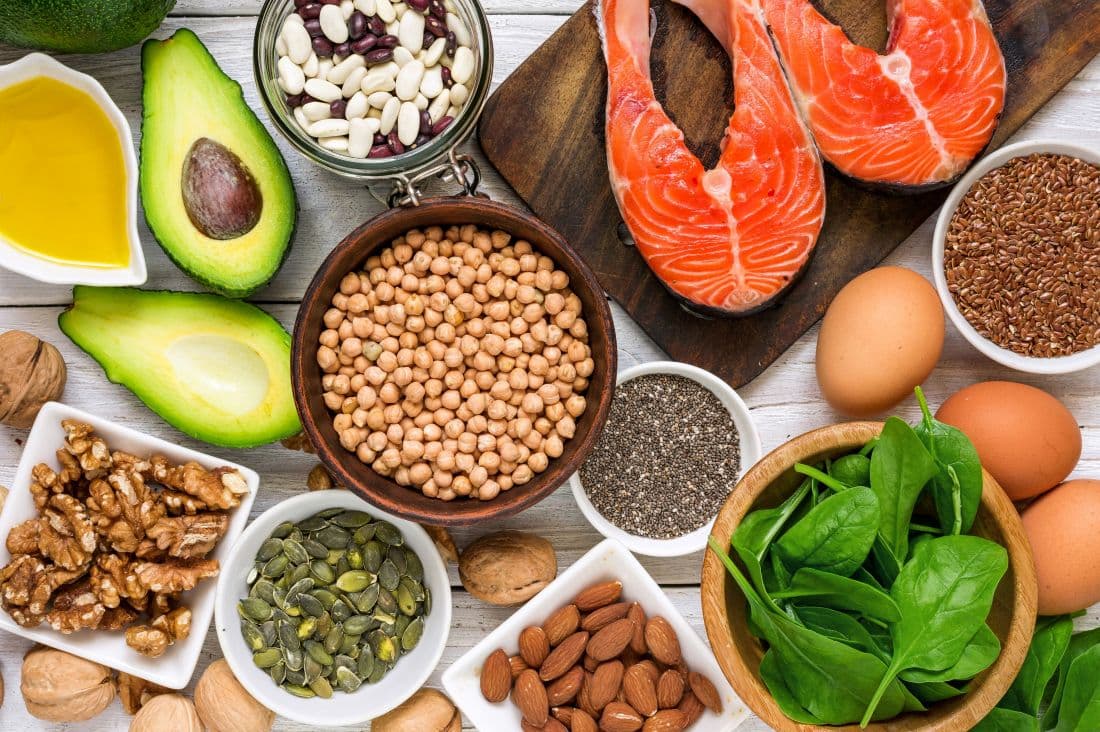
The word is not a scientific term but a label from the food industry. Which products deliver, and why regional alternatives are often cheaper too.
Read more →
Instead of 6 repetitions in a row you train 2-2-2 with pauses of 10 to 15 seconds. That allows heavier weights and keeps your technique stable.
Read more →
This branched connective tissue networks your whole body. When it sticks or hardens, pain and restricted movement can follow. Which methods help there.
Read more →
For decades studies used male subjects and women trained by the same rules. How the hormonal phases of your cycle affect performance and your planning.
Read more →
What does a vegetarian diet mean? What benefits and challenges does it bring? A comprehensive overview of nutrients, health and sustainability.
Read more →
Hyperbaric oxygen therapy (HBOT) improves the body's oxygen supply and supports healing processes. Learn more about its effects and application.
Read more →
Recovery is essential for progress and improved performance in training. Here you'll learn what benefits it has and how to use it optimally.
Read more →
Strength training raises the basal metabolic rate and thus helps with weight loss. Find out why muscle building is decisive for sustainable fat burning.
Read more →
Oxidative stress is caused by free radicals and can lead to cell damage. But antioxidants help protect your body. Find out how it works!
Read more →
The ketogenic diet has a long history – from the treatment of epilepsy to modern applications in chronic diseases and competitive sport. But what is really behind it? Learn everything here about the basics, effects and possible risks.
Read more →