
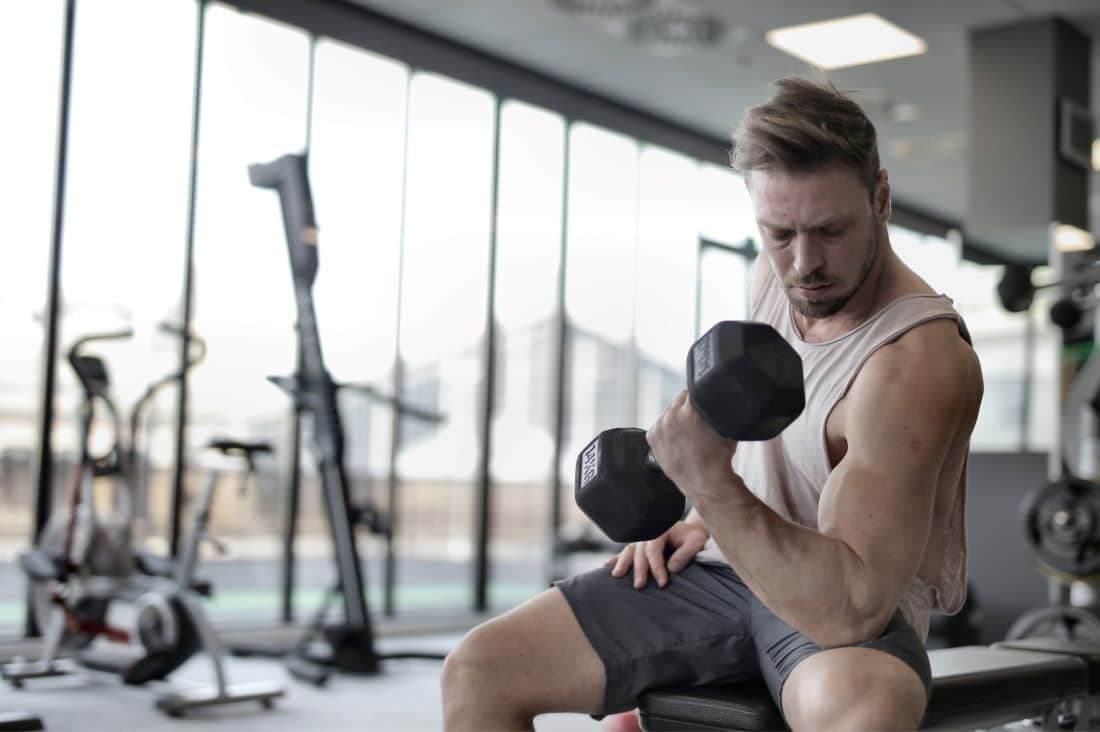
Understanding strength training: the key to building muscle and a strong body
Strength training promotes muscle building, strengthens joints and health. Learn the theory behind it and tips for effective muscle training.
Read more →Strength training promotes muscle building, strengthens joints and health. Learn the theory behind it and tips for effective muscle training.
Read more →
Flu is usually caused by viruses: cough, severe headache, aching limbs, sore throat. Which symptoms mean you pause your training rather than push on.
Read more →
Athletic trainers work with athletes at every level, also on the way back from injury. Training with theory online, at a pace you set for yourself.
Read more →
Six to twelve stations in a row, the circuit repeated three to four times with one to three minutes of break. How to build one for strength and endurance.
Read more →
You set your own pace and work through the modules wherever you are. Why learning online as a Fitness- und Bewegungstrainer fits around a busy week.
Read more →
Effective half marathon preparation: everything on training plans, endurance, strength training and tips to successfully master the 21.1 km.
Read more →
Learn how intensive training acts against cancer cells. Shear forces in the blood could destroy circulating tumour cells and reduce cancer risk.
Read more →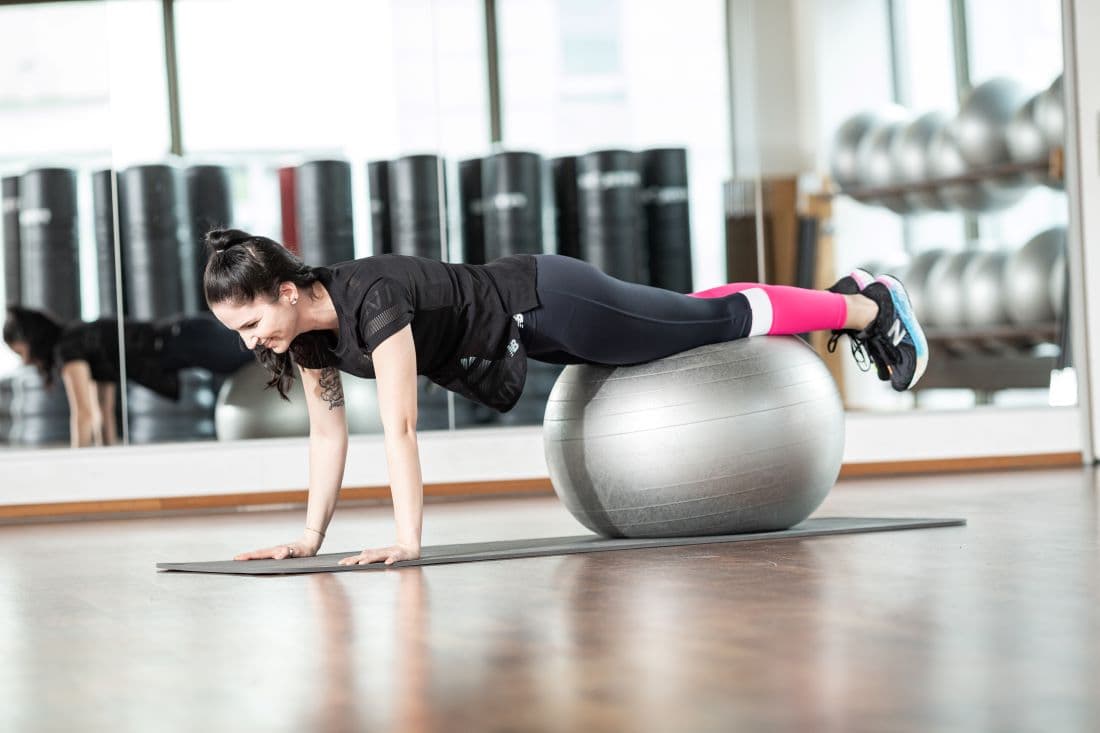
Propriozeptives Training schult die Tiefensensibilität: Gelenkstellung und Muskelspannung ohne Blickkontrolle wahrnehmen. Für Reha, Sport und Alltag.
Read more →
Sleep runs in cycles that ideally repeat four to six times a night. What happens during them, and which habits help you get more out of your rest.
Read more →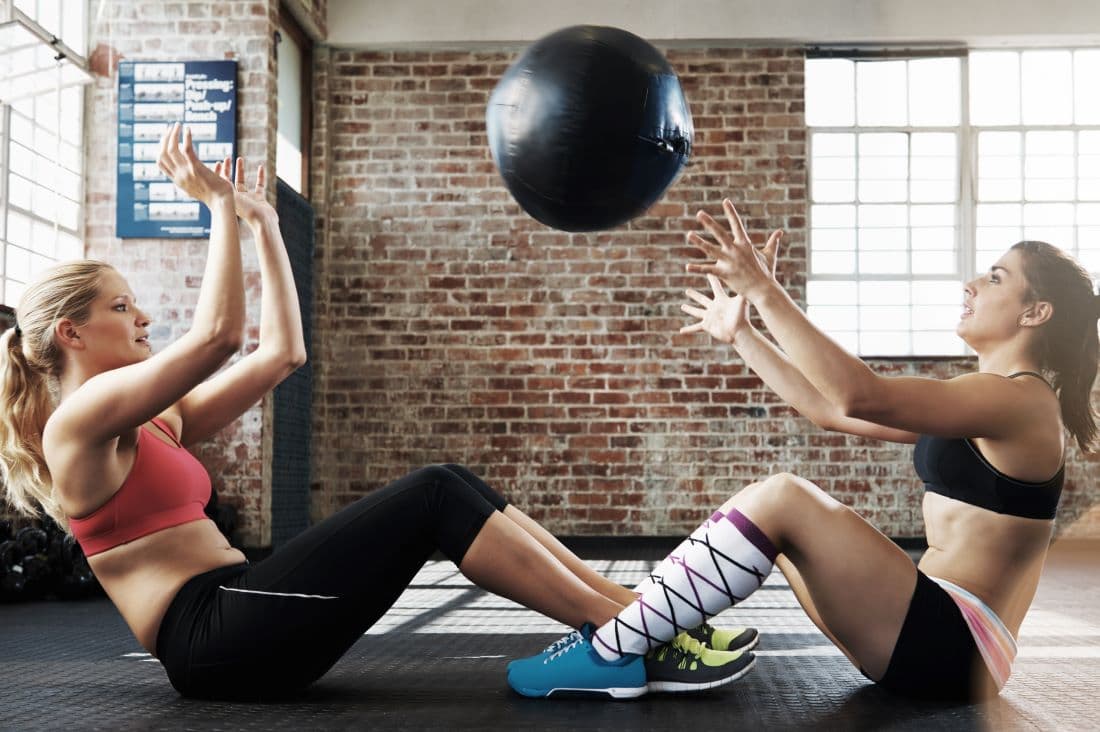
Following Hirtz, coordination skills rest on the processes of movement control and regulation. How they differ from motor skills and how you train them.
Read more →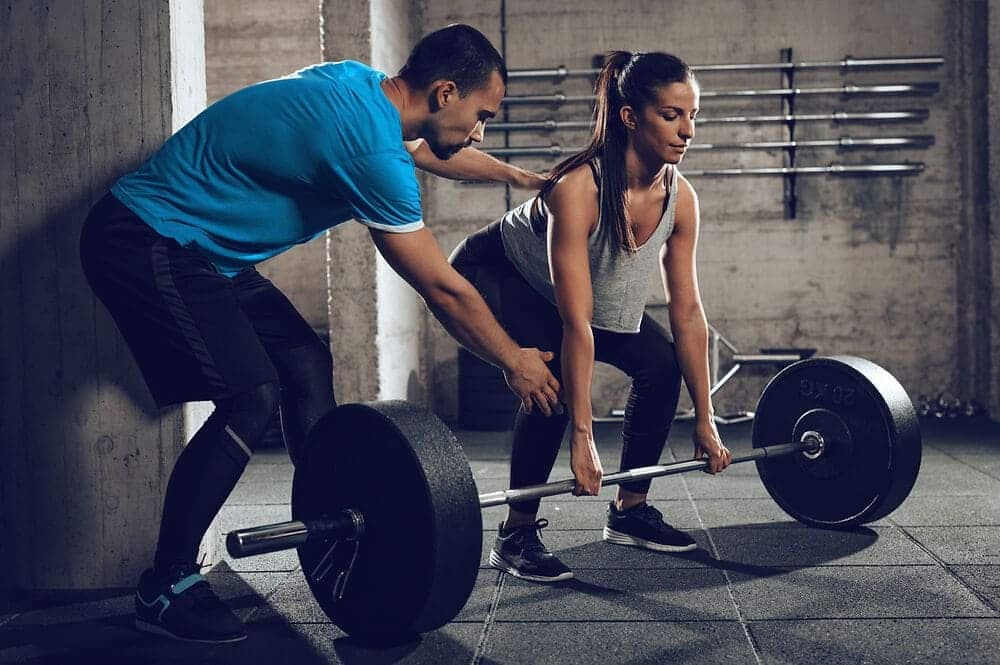
Fitness trainers usually work in a studio and take clients through trial and introductory sessions. Where tasks, conditions and qualifications diverge.
Read more →
After the set to failure the weight drops by 15 to 50 % and you carry on without a break. How the drop set works and who the method is suitable for.
Read more →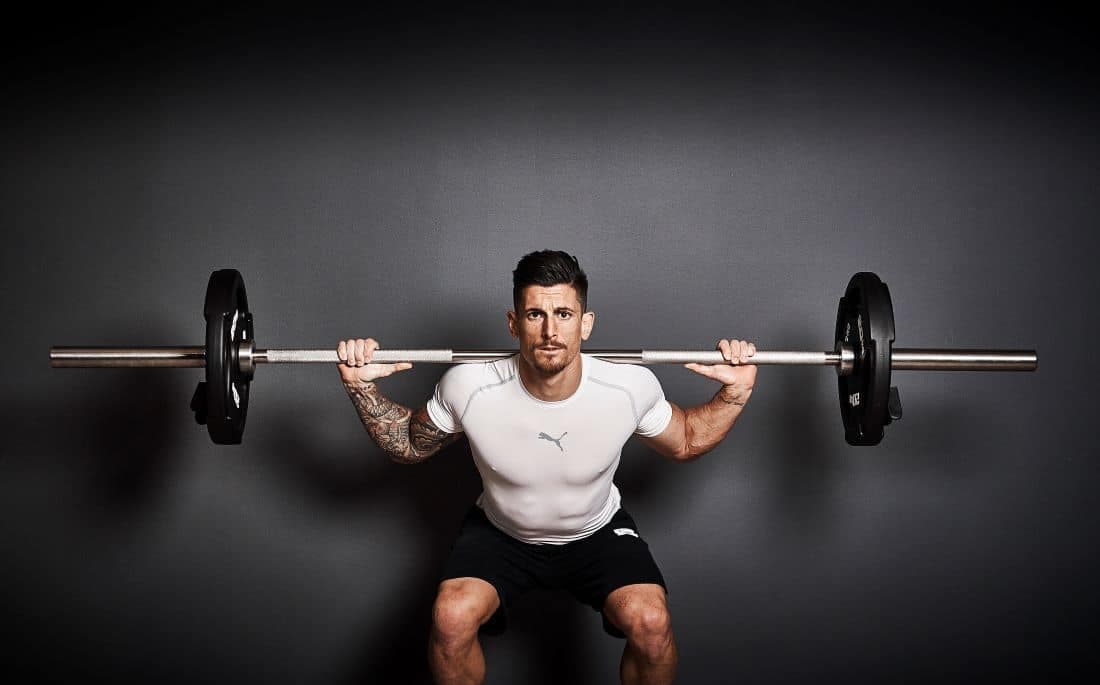
By compressing the abdominal cavity, the belt raises intra-abdominal pressure and stabilises your spine in squats and deadlifts. When to leave it off.
Read more →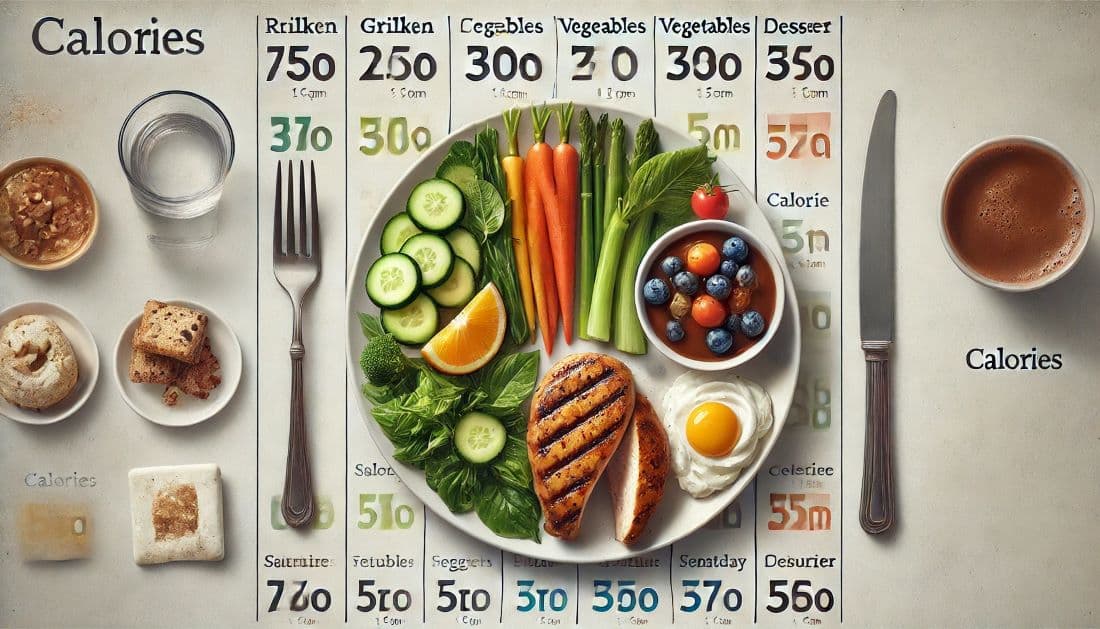
One calorie is the energy needed to heat one gram of water by one degree Celsius. What the unit means for your food, your body and your calorie balance.
Read more →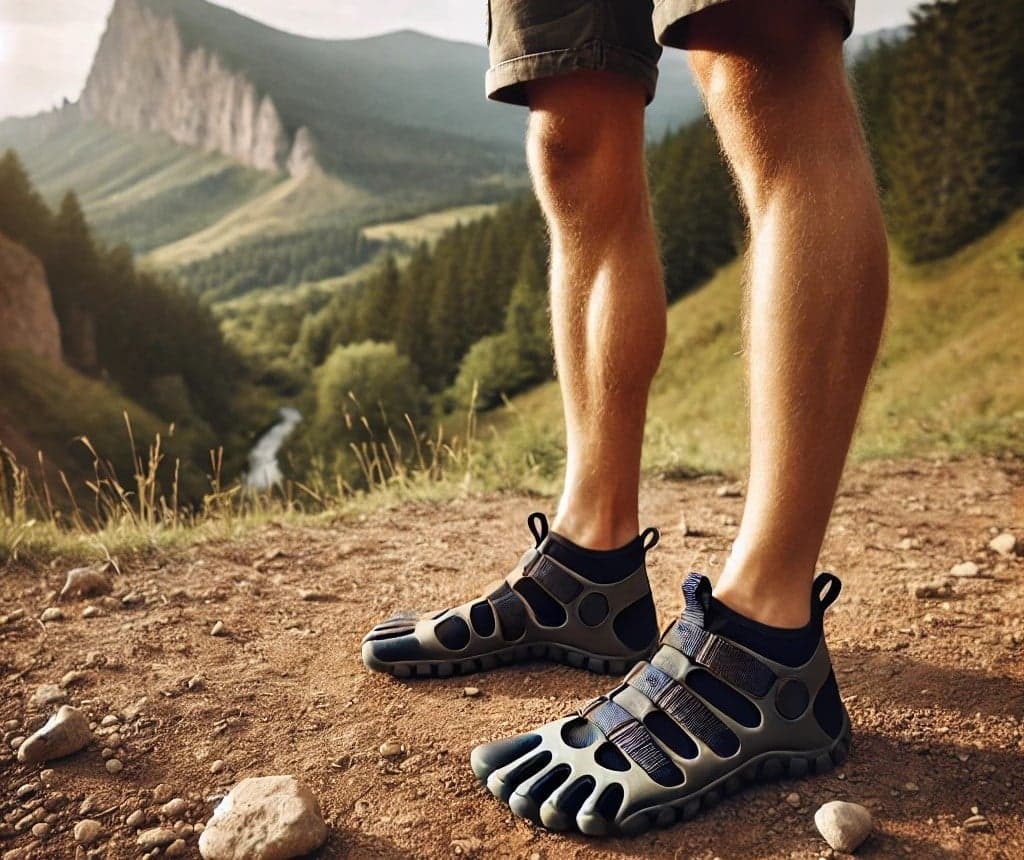
A thin, flexible sole lets your foot move naturally, unlike shoes that squeeze the toes. Where that helps, and the cases where it works against you.
Read more →
Machines guide the movement, which suits beginners and isolated work on a single muscle group. When free weights make more sense for your goals.
Read more →
Cold-water therapy has been in use for centuries. What a cold bath is said to do for your circulation and recovery, and how to build it into a routine.
Read more →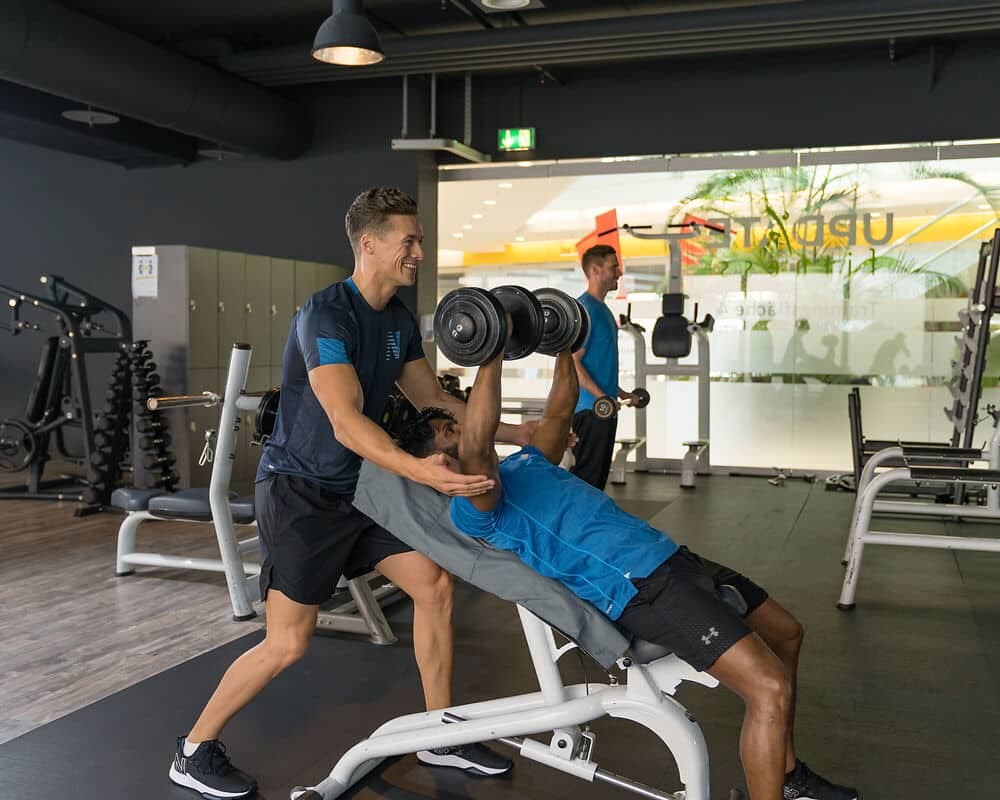
Wie du in der Schweiz Personal Trainer wirst: Ausbildung, Schritt in die Selbstständigkeit und wovon dein Einkommen abhängt, von Standort bis Erfahrung.
Read more →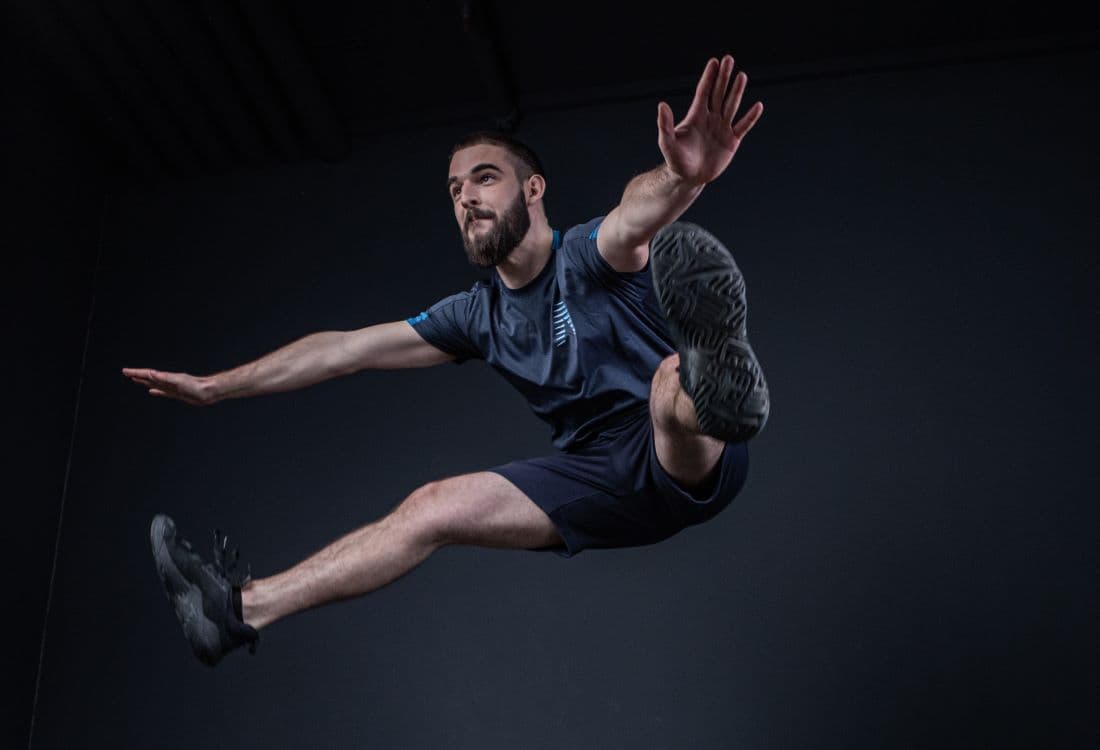
Plyometric exercises stretch the muscle and contract it straight afterwards, a staple in sprinting, jumping, basketball, football and volleyball.
Read more →
Running loads certain muscle groups one-sidedly, which invites muscular imbalances. A strong core holds your form on long runs, and exercises build it.
Read more →
In two phases, transcription and translation, your cells build proteins. What that means for muscle growth, recovery and how you train and eat.
Read more →
As an athletic trainer you work with athletes and teams on strength, speed and endurance. The routes in Switzerland, from university to other paths.
Read more →
Omega-3 fatty acids are polyunsaturated fats your body cannot produce itself. The three main types, ALA, EPA and DHA, and where food supplies them.
Read more →
Movement releases endorphins and, studies suggest, stimulates the growth of new nerve cells in the brain. How to bring more activity into your day.
Read more →