Cardiovascular diseases: the right nutrition for a strong heart
Cardiovascular diseases such as high blood pressure, arteriosclerosis or the aftermath of a heart attack are among the most common health challenges of our time. Often the diagnosis is accepted as an unalterable fate or a mere sign of ageing. But the reality looks different: you are not helplessly at the mercy of your genes.
Besides sufficient exercise and giving up nicotine, daily nutrition is the most powerful lever you hold in your own hands to protect your heart and keep your vessels elastic. In this detailed article we clear up old diet myths and show you what an evidence-based, heart-healthy diet really looks like in everyday life.
The biggest nutrition myths surrounding the heart
When it comes to heart health, some outdated pieces of advice cling on extremely stubbornly. It's time to correct them with facts.
- Myth 1: fat clogs the arteries.
For a long time, fat was demonised and regarded as the main cause of heart disease. Today science knows: what matters is largely the quality of the fat. Plant-based, unsaturated fats even protect the heart, while industrially processed fats cause real damage. - Myth 2: eggs are strictly forbidden.
The cholesterol from hen's eggs has a far smaller influence on the cholesterol level in the blood in most people than was long assumed. A moderate amount of eggs is not a risk factor for healthy people. Far more dangerous for blood lipid levels is a high consumption of saturated fatty acids from sausage and ready-made products. - Myth 3: a glass of red wine a day is good for the heart.
Even though red wine contains antioxidants, the toxic effects of alcohol on the heart muscle and blood pressure outweigh them. Those who want to do their heart good are better off avoiding alcohol completely or reducing it to an absolute minimum.
The 3 most important building blocks for a strong heart
A heart-healthy diet does not mean that you have to go hungry or give up enjoyment. It's much more about supplying the body with the right building materials to lower inflammation and protect the blood vessels.
1. Omega-3 fatty acids: the lubricating oil for the vessels
Omega-3 fatty acids have a strong anti-inflammatory effect, improve the flow properties of the blood and can slightly lower blood pressure. They are essential, since the body cannot produce them itself.
- The best sources: fatty sea fish (such as salmon, mackerel or herring), walnuts, flaxseed, flaxseed oil and chia seeds.
2. Fibre: the cholesterol reducer
Fibre consists of indigestible plant fibres. It not only keeps you full for a long time, but also binds bile acids in the gut, which are formed from cholesterol. To produce new bile acid, the body has to draw cholesterol from the blood – as a result the LDL cholesterol level (the "bad" cholesterol) drops measurably.
- The best sources: oat flakes, wholegrain products, lentils, chickpeas, beans and berries.
3. Antioxidants: the rust protection for your cells
Free radicals can damage the walls of your blood vessels and thus accelerate the process of arterial calcification (arteriosclerosis). Antioxidants capture these free radicals and neutralise them.
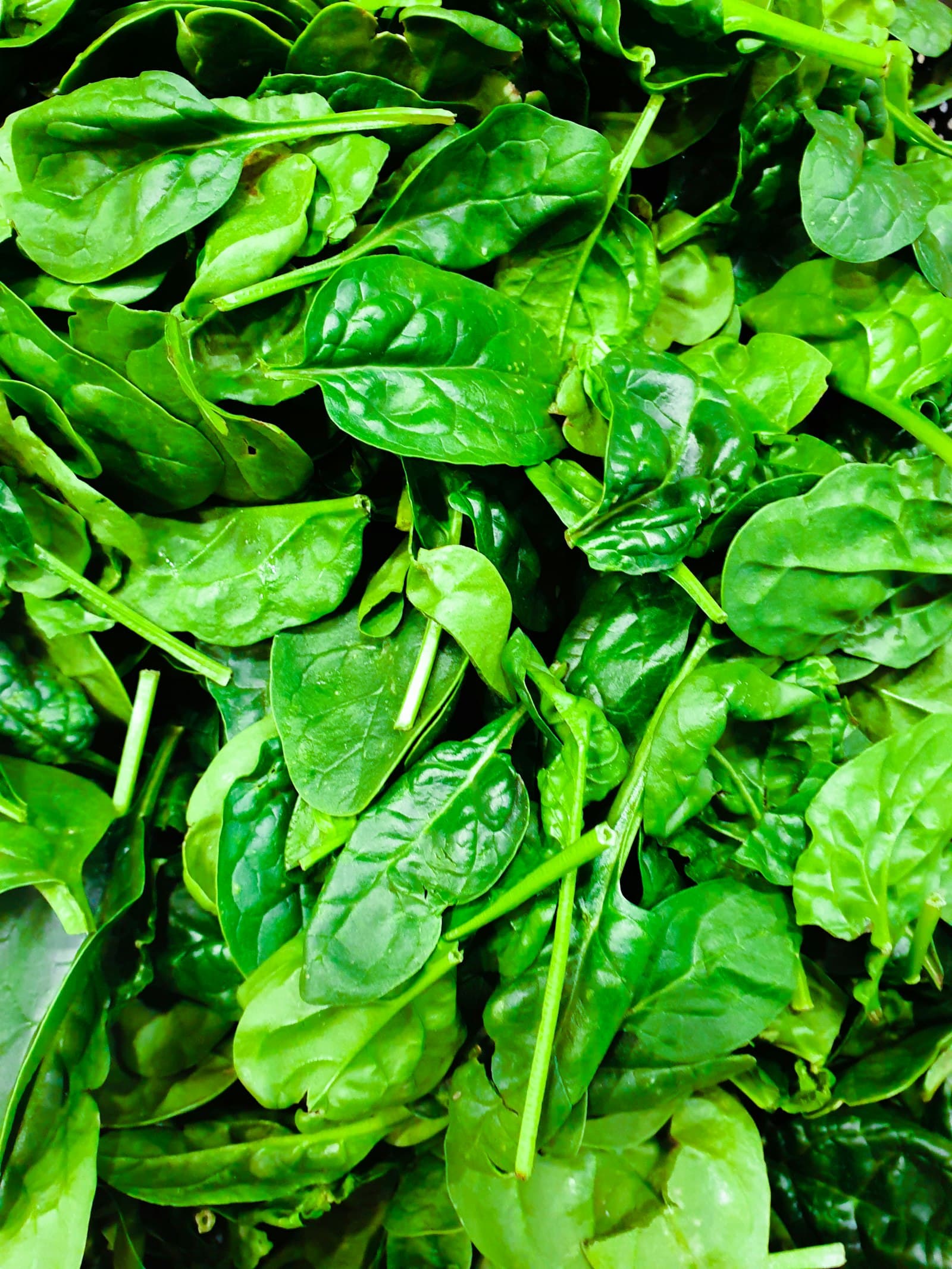
- The best sources: dark leafy vegetables (spinach, chard), deep-red and blue berries, tomatoes, nuts and green tea.
What you should reduce for the sake of your heart
To relieve your cardiovascular system, you should consciously reduce certain food groups. This does not mean a strict ban, but a conscious and moderate approach in everyday life.
- Trans fats: these often arise during the industrial hardening of vegetable oils. They raise the bad LDL cholesterol and at the same time lower the protective HDL cholesterol. Trans fats are frequently found in fried food, in many types of margarine, in industrial baked goods (such as puff pastry) and in low-quality ready-made products.
- Sugar and refined carbohydrates: a permanently high sugar consumption not only leads to being overweight. The constant blood sugar spikes promote silent inflammation in the body and damage the innermost layer of the blood vessels (the endothelium) in the long term. White-flour products and sugary drinks should therefore remain exceptions.
- Hidden salt: too much salt in the body binds water and increases the blood volume, which can lead to high blood pressure. The recommendation is a maximum of 5 grams of salt per day. The biggest salt trap is not the salt shaker on the dining table, but the hidden salt in cold cuts, cheese, bread and instant soups.
The direct comparison: heart-healthy vs. heart-straining
Small changes in the menu can make an enormous difference in the long run. Here you can see how you can cleverly swap typical foods:
Typical habit (better reduce)
Heart-healthy alternative (prefer)
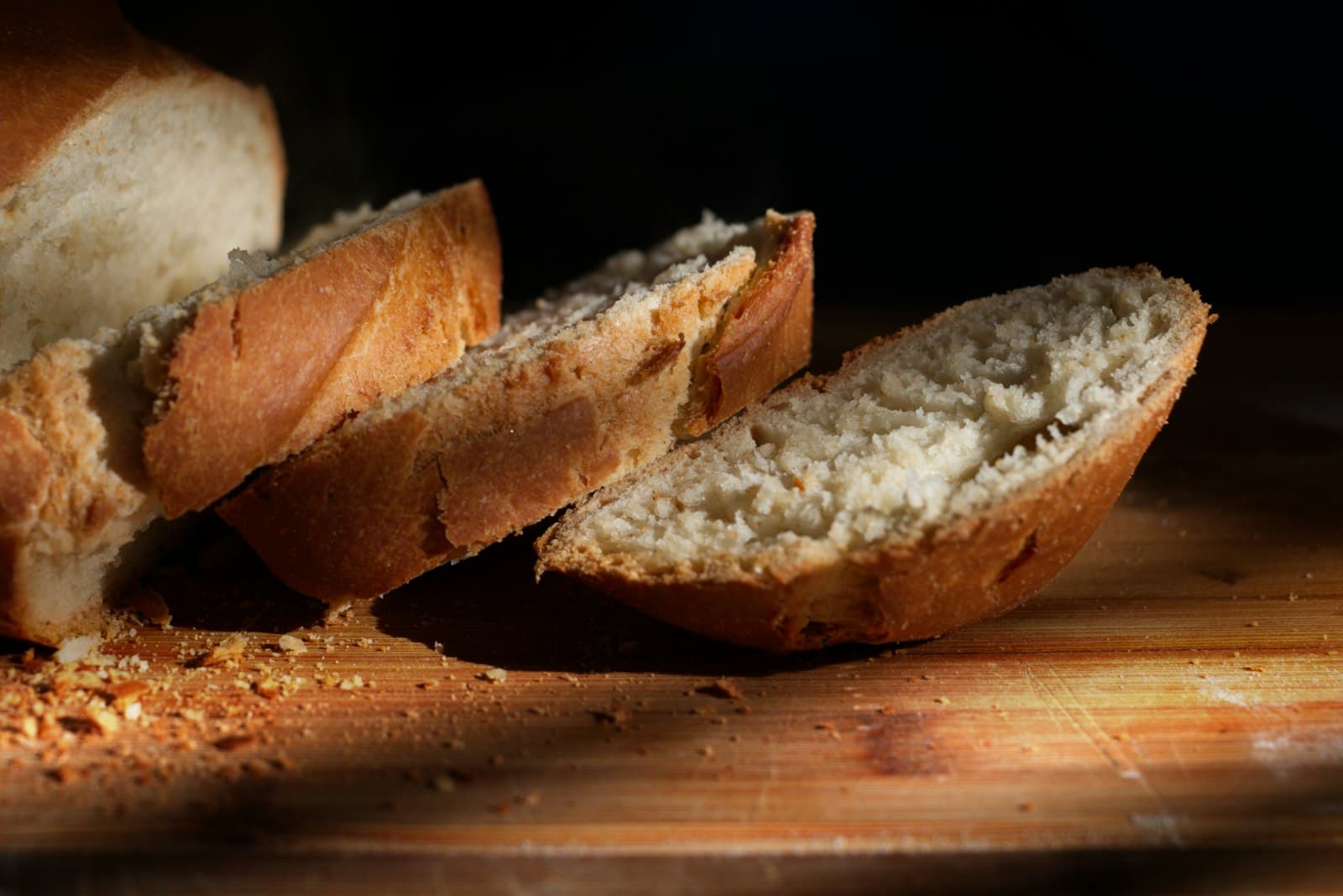
Light wheat bread and toast
Wholegrain bread or pumpernickel
Butter or lard for frying
Cold-pressed olive oil or rapeseed oil
Sliced cold cuts (salami, meatloaf)
Lean poultry, hummus or cottage cheese
Bought fruit yoghurts with lots of sugar
Plain yoghurt with fresh blueberries
Crisps and salt sticks in the evening
Unsalted almonds or walnuts
The Mediterranean diet as the gold standard
If you're wondering how best to combine all this advice into a holistic concept, then take your cue from the traditional Mediterranean diet. In numerous large scientific studies, this way of eating has proven to be the absolute gold standard for the prevention of cardiovascular diseases.
It is based on plenty of fresh vegetables, legumes, nuts, fish, high-quality olive oil and only very little red meat and industrially processed sugar.
Conclusion: consistency beats perfection
Changing your diet can be exhausting at first. The body and above all the taste buds need time to get used to less salt and sugar. Don't try to change everything radically overnight. Start by eating one extra portion of vegetables every day, integrating fish or legumes twice a week and making olive oil your standard oil in the kitchen. For a strong, healthy heart, it's not the perfect week that counts, but what you consistently put into practice over months and years.
Do you want to learn more about the topic of nutrition? With the training as a nutrition coach you become an expert in nutritional questions.
Frequently asked questions (FAQ) about heart-healthy nutrition
Is coffee bad for blood pressure and the heart?
Moderate coffee consumption (three to four cups per day) is as a rule harmless for heart-healthy people and, according to numerous studies, may even have slightly protective effects. Blood pressure usually rises only briefly after drinking coffee. However, anyone who already suffers from severe high blood pressure or cardiac arrhythmias should, to be safe, discuss their individual consumption with their treating doctor.
Can arteriosclerosis be completely reversed through nutrition?
An already far-advanced calcification of the arteries (arteriosclerosis) can as a rule not be fully cured or dissolved through a change of diet alone. A consistent, heart-healthy diet is, however, the most effective means to considerably halt the progression of the disease, reduce inflammation and drastically lower the risk of serious consequences such as a heart attack.
How important is drinking enough for the heart?
A good fluid intake is extremely important for the cardiovascular system. If you drink too little, the blood becomes thicker. The heart then has to exert considerably more force to pump the blood through the vessels, which can cause blood pressure to rise. As a guideline, 1.5 to 2 litres of water or unsweetened tea per day apply. In heat or during sporting activity this need increases.
Do omega-3 capsules make sense if I don't like fish?
In principle, the best way is always to take in nutrients through whole foods. However, if you don't eat fish and also only rarely integrate plant sources such as walnuts, flaxseed oil or chia seeds into your menu, a high-quality dietary supplement (for example from algae oil for vegans or from highly purified fish oil) can be a very sensible measure. It's best to briefly discuss the dosage with your doctor.
May I still add salt despite a heart condition?
Yes, but in moderation. The body needs sodium to function. The problem is not the small pinch of salt over the fresh tomatoes, but the massive salt surplus from industrially processed foods (such as ready-made pizzas, sausage or instant soups). Get into the habit of cooking more with fresh herbs, garlic, onions and spices. That way you bring lots of flavour to the food and can reduce the added salt quite automatically.
Do you want to learn more about the topic of nutrition?
With the nutrition coach training you become an expert in nutritional questions